Unlock Your Potential: Discovering Paid Sleep Studies for Healthy Volunteers
Fast Facts About Sleep Research:
- Sleep deprivation affects 1 in 3 adults globally.
- Increased demand in sleep research for healthy volunteers.
Exploring the World of Paid Sleep Studies for Healthy Volunteers
Participating in paid sleep studies offers a unique opportunity for healthy volunteers to contribute significantly to scientific advancement while receiving financial compensation. These critical investigations help researchers understand the intricate mechanisms of human sleep, diagnose disorders, and develop new treatments. For individuals looking to make a meaningful impact, exploring opportunities within clinical sleep trials can be both rewarding and educational.
The Scientific Significance of Volunteer Sleep Research
Sleep research relies heavily on the participation of healthy volunteers to establish baseline data and validate findings from patient populations. Without these dedicated participants, understanding the complexities of sleep cycles, brain activity during rest, and the impact of various interventions would be severely limited. These studies are instrumental in identifying subtle changes that precede sleep disorders and in testing the efficacy of novel drugs or therapies before they reach a broader market. Engaging in paid sleep studies provides an invaluable service to public health and scientific progress.
Understanding the Process of Participating in a Sleep Study
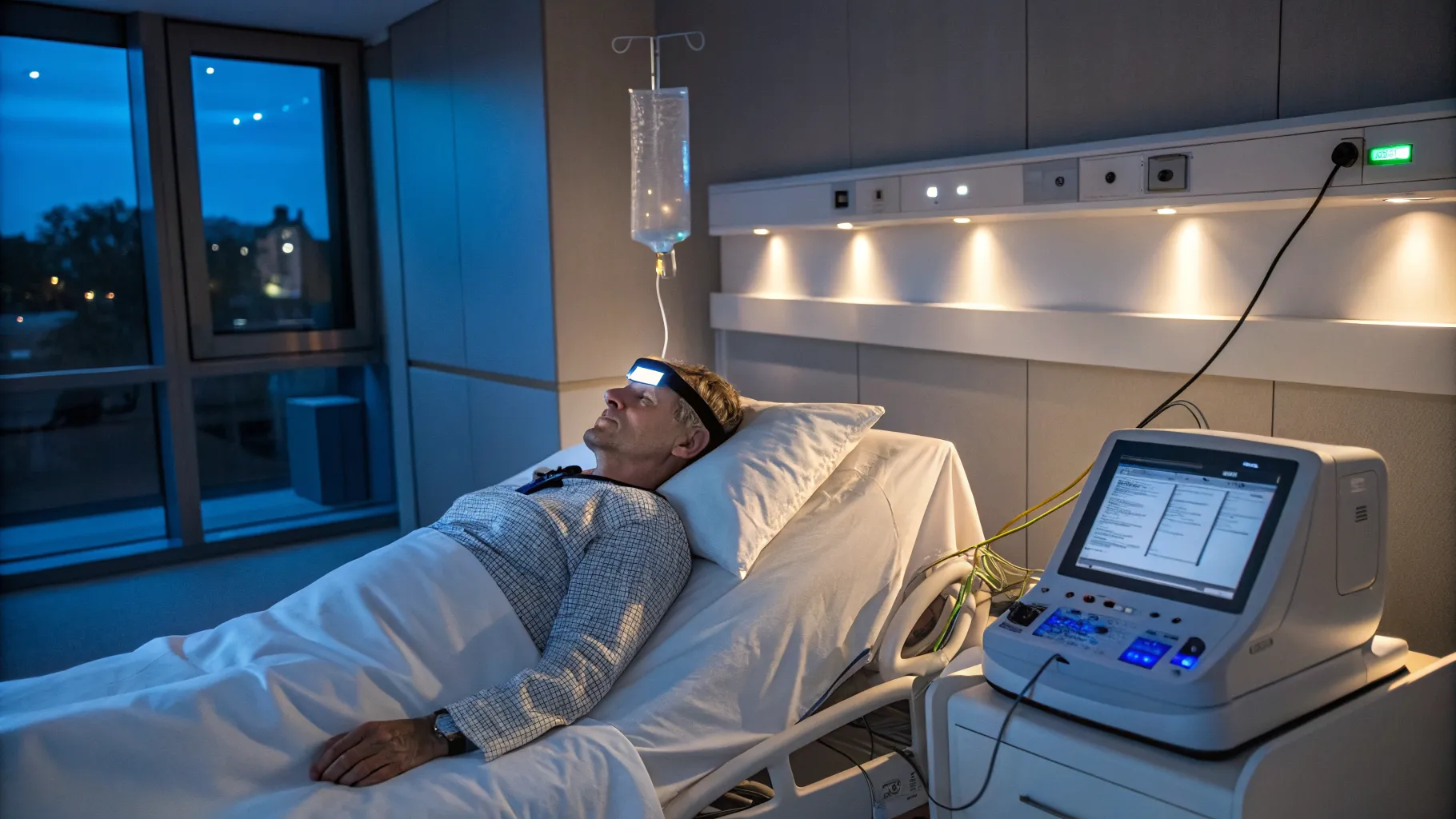
Prospective healthy volunteers often wonder about the practicalities of joining a study. Typically, the process begins with a screening questionnaire, followed by a detailed medical examination to ensure eligibility. Once accepted, participants will spend one or more nights in a specialized sleep lab, where various physiological parameters are monitored. This includes brain waves (EEG), eye movements (EOG), muscle activity (EMG), and heart rate. The environment is designed to be comfortable, though adherence to study protocols is crucial. The duration and specific procedures vary greatly depending on the particular clinical sleep trials being conducted.
Financial Compensation and Benefits for Participants
One of the primary motivations for many individuals is the compensation for sleep studies. This financial remuneration acknowledges the time commitment and inconvenience associated with participating in a study. The exact amount can vary significantly based on the study's length, complexity, and specific requirements, often ranging from hundreds to thousands of dollars. Beyond monetary benefits, participants also receive a comprehensive health check-up, including detailed sleep analysis reports, which can provide valuable insights into their own sleep patterns and overall health. This dual benefit makes paid sleep studies an attractive option for many.
Key Eligibility for Healthy Volunteers in Sleep Trials
Age and General Health:
Most paid sleep studies require participants to be adults, typically between 18 and 65 years old, in good general health, and free from pre-existing sleep disorders. A thorough medical history and physical examination will be conducted to confirm eligibility.
Absence of Sleep Disorders:
To qualify as healthy volunteers for many studies, individuals must not have diagnosed sleep conditions like apnea, insomnia, or restless leg syndrome, as the research often seeks to establish normal sleep patterns or test interventions on healthy systems.
Commitment to Protocol:
Participants must be able to adhere strictly to the study's schedule and guidelines, which may include maintaining specific sleep-wake cycles, avoiding certain medications, or refraining from caffeine and alcohol before study nights. This ensures the integrity of the sleep research data.
Location and Availability:
Individuals need to be able to travel to the sleep lab for screening appointments and overnight stays. Flexibility in scheduling is also often required, especially for multi-night or longitudinal studies.
Frequently Asked Questions
How long do paid sleep studies typically last?
The duration of paid sleep studies can vary widely, from a single overnight stay to several weeks or even months for more complex longitudinal studies. Short-term studies might focus on immediate responses to stimuli, while longer ones track sleep patterns over time.
Is participation in clinical sleep trials safe?
Yes, participating in clinical sleep trials is generally very safe. All studies undergo rigorous ethical review and are conducted by trained medical professionals in controlled environments. Any potential risks are thoroughly explained during the informed consent process.
How much compensation for sleep studies can I expect?
The compensation for sleep studies is highly variable, depending on the study's length, complexity, and the demands placed on the healthy volunteers. It can range from a few hundred dollars for a single-night study to several thousand for extended participation over weeks or months.
References
- National Sleep Foundation Guidelines for Healthy Adults.
- Journal of Clinical Sleep Medicine: Recent Advances in Sleep Research.
- American Academy of Sleep Medicine: Research Protocols.
Authored by MyTrendSpot team