Discovering Value: Finding the Best Pre-Owned Agricultural Tractors for Sale
Fast Facts:
- Global market for pre-owned agricultural tractors is growing.
- Increased demand for second-hand tractors among small and mid-sized farms.
Navigating the Market for Reliable Pre-Owned Agricultural Tractors
The market for pre-owned agricultural tractors offers significant opportunities for farmers seeking cost-effective solutions without compromising on performance. Investing in used farm equipment can provide access to advanced technology and robust machinery at a fraction of the cost of new models, making it a strategic choice for sustainable agricultural operations.
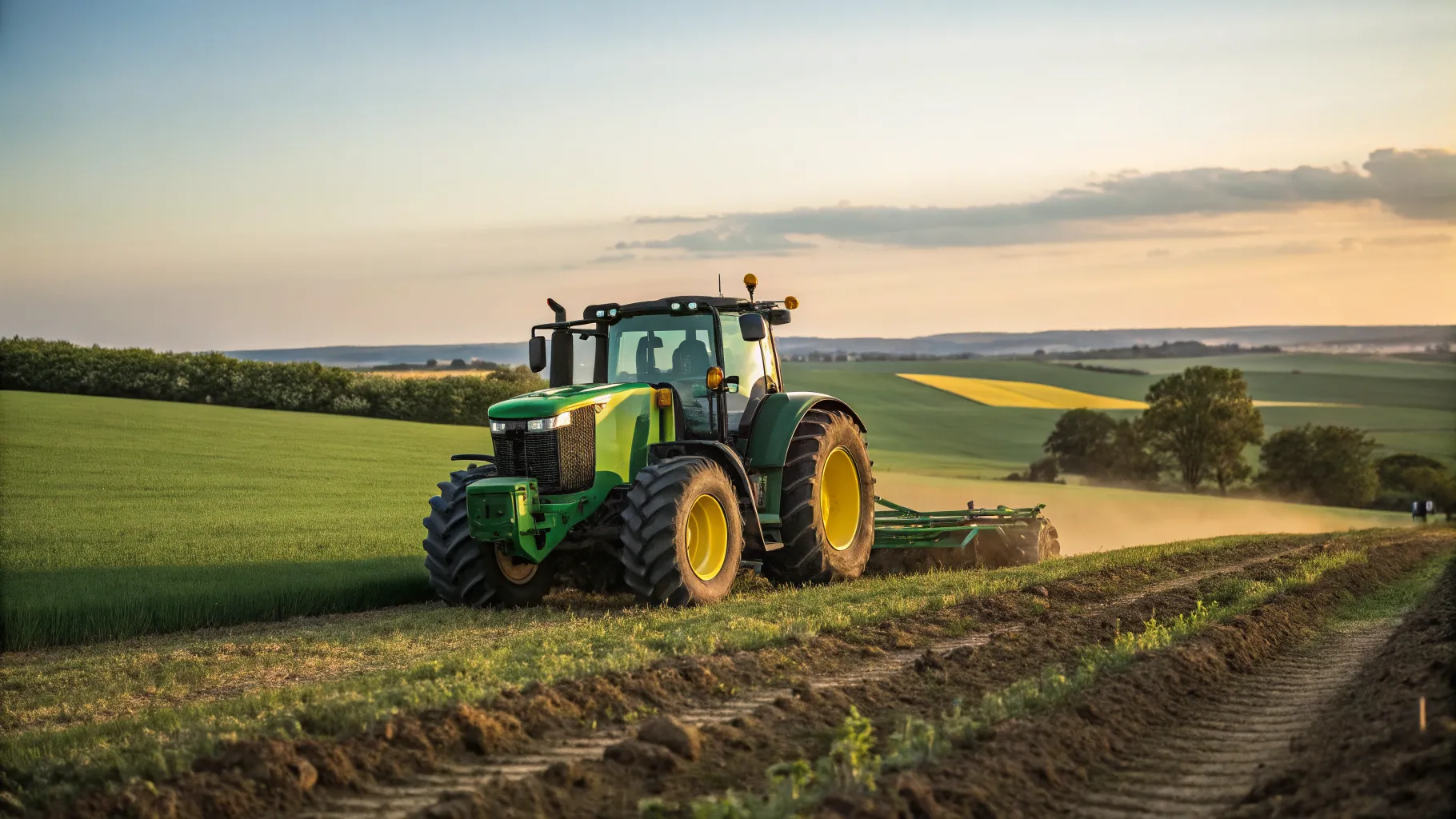
The Advantages of Investing in Second-Hand Tractors
Opting for second-hand tractors presents a multitude of benefits that extend beyond mere cost savings. One of the most compelling advantages is the significantly reduced initial investment compared to purchasing a brand-new model, which can free up vital capital for other farm operations or improvements. Furthermore, pre-owned agricultural tractors often come with less depreciation compared to new machines, meaning they retain their value more effectively over time. This makes them a more stable asset from a financial perspective. Immediate availability is another key factor; unlike new models that might have lengthy waiting lists, used farm equipment is typically ready for immediate deployment, allowing farmers to quickly meet their operational needs. Many seasoned farmers also prefer older, proven models known for their durability and simpler mechanics, which can translate to easier maintenance and repair. This strategic choice allows for access to reliable, high-performance machinery without the substantial financial burden associated with brand-new equipment, making it a smart decision for both burgeoning and established agricultural enterprises.
Essential Considerations Before Purchasing Used Farm Equipment
A meticulous approach is paramount when considering the purchase of used farm equipment. Before finalizing any deal, a comprehensive inspection of the pre-owned agricultural tractors is non-negotiable. Begin with the engine; scrutinize for any signs of leaks, unusual noises, or excessive smoke, and check the oil for proper level and quality, indicating regular maintenance. The transmission and hydraulics are equally critical; test all gears for smooth engagement and observe hydraulic functions for responsiveness and any signs of fluid leaks. Inspect the tires thoroughly for wear patterns, cracks, and remaining tread depth, as tire replacement can be a significant expense. Examine the frame and body for structural integrity, rust, or evidence of major repairs or welding that could indicate past damage. Request and review all available service records to verify a consistent maintenance history and to understand the machine’s operational life. Pay close attention to the operating hours, as this provides a clearer picture of the tractor's actual workload. Utilizing a detailed tractor inspection checklist during this process can help ensure no critical components are overlooked, safeguarding your investment in a quality second-hand tractor.
Understanding Tractor Financing and Budgeting for Your Purchase
Securing the right tractor financing is a crucial step when investing in pre-owned agricultural tractors. Various financial avenues are available, including traditional bank loans, specialized agricultural lenders, and dealer financing programs designed specifically for used farm equipment. It is essential to research and compare interest rates, repayment terms, and any associated fees from multiple providers to find the most favorable option for your specific financial situation. Beyond the purchase price, creating a detailed budget that accounts for all potential expenditures is vital. This budget should encompass not only the initial cost of the second-hand tractor but also potential costs for immediate repairs or refurbishments, insurance premiums, transportation expenses, and ongoing maintenance. Understanding the total cost of ownership upfront helps prevent unexpected financial strain and ensures that your investment in pre-owned agricultural tractors remains economically viable throughout its operational lifespan. Proactive budgeting and smart financing can significantly ease the transition into owning new (to you) farm machinery.
Where to Find High-Quality Pre-Owned Agricultural Tractors
Identifying reliable sources for pre-owned agricultural tractors is key to a successful purchase. Several channels offer used farm equipment, each with its unique advantages and considerations. Authorized dealerships specializing in agricultural machinery often provide thoroughly inspected and refurbished second-hand tractors, frequently backed by limited warranties, offering a higher degree of confidence and peace of mind. Online marketplaces and specialized agricultural auction sites present a vast selection, allowing for extensive comparison of models, prices, and features from various sellers. While these platforms can yield excellent deals, they may require more diligent due diligence from the buyer, including arranging independent inspections. Farm auctions can be another source for finding pre-owned agricultural tractors, potentially offering significant savings, though they often come with an 'as-is' condition and higher risk. Private sellers, found through local listings or word-of-mouth, can sometimes offer competitive prices and direct negotiation, but require the buyer to be particularly thorough in their assessment. Regardless of the source, always prioritize sellers with a reputable history and transparent information about the machinery to ensure you are acquiring high-quality pre-owned agricultural tractors.
Maximizing the Lifespan and Performance of Your Used Tractor
To ensure your investment in pre-owned agricultural tractors continues to pay dividends for years to come, proactive maintenance and diligent care are essential. Even though it's used farm equipment, treating it with the same attention as a new machine will significantly extend its operational life and maintain its performance. Regular servicing according to the manufacturer's guidelines, even if the tractor appears to be running perfectly, is crucial. This includes routine oil changes, filter replacements for fuel, air, and hydraulic systems, and checking all fluid levels. Proper storage is another critical factor; always keep your second-hand tractor under cover, shielding it from harsh weather elements like rain, direct sunlight, and extreme temperatures. This protects against rust, preserves tire integrity, and safeguards delicate electrical components. Addressing minor issues promptly is also paramount; a small leak or an unusual noise, if left unaddressed, can quickly escalate into a major, costly breakdown. Regularly inspect for any signs of wear and tear, and perform preventive repairs as needed. Additionally, ensuring that anyone operating the pre-owned agricultural tractor is properly trained and familiar with its specific functions and safety procedures will reduce stress on the machine and prevent accidents. Consulting the original operator's manual, even for an older model, provides invaluable information on specific maintenance intervals and operational best practices. By following these guidelines, you can significantly enhance the reliability and longevity of your used farm equipment, maximizing its value for your agricultural operations.
- Regular Servicing: Establish and adhere to a strict maintenance schedule, even if the tractor appears to be running perfectly. This includes oil changes, filter replacements, and checking all fluid levels. A well-maintained second-hand tractor will perform reliably for many years.
- Protective Storage: Always store your used farm equipment under cover, protecting it from harsh weather elements like rain, sun, and snow. This prevents rust, preserves tires, and protects electrical components, significantly extending the life of your pre-owned agricultural tractors.
- Prompt Repairs: Do not delay small repairs. A minor issue, if left unaddressed, can quickly escalate into a major, costly problem. Regularly inspect for leaks, strange noises, or unusual vibrations and act swiftly to resolve them.
- Operator Training: Ensure that anyone operating the pre-owned agricultural tractor is properly trained and familiar with its specific functions and safety procedures. Proper operation reduces wear and tear and prevents accidents.
Frequently Asked Questions
What are the key benefits of buying pre-owned agricultural tractors?
The primary benefits include significant cost savings compared to new models, reduced depreciation rates, and immediate availability. Buyers can often access higher-specification models within their budget when opting for used farm equipment.
How can I ensure the quality of a second-hand tractor before purchase?
To ensure quality, always request detailed service records, conduct a thorough physical inspection with a tractor inspection checklist, and ideally, have a qualified mechanic perform an independent assessment. Test driving the tractor under load is also highly recommended.
Are there good tractor financing options for used farm equipment?
Yes, many financial institutions and dealerships offer competitive tractor financing options for pre-owned agricultural tractors. It's advisable to compare interest rates and terms from various lenders to secure the best deal for your budget and specific needs.
References
- Agricultural Machinery Market Report 2023
- Guidelines for Purchasing Used Farm Equipment
- Sustainable Farming Practices and Equipment
Authored by MyTrendSpot team