Unlocking Wellness: Choosing Professional Red Light Therapy Devices for Your Home
Fast Facts:
- Red light therapy boosts cellular energy.
- Demand for Home Red Light Therapy devices is surging for anti-aging and recovery.
Embracing Advanced Wellness with Professional Red Light Therapy Devices
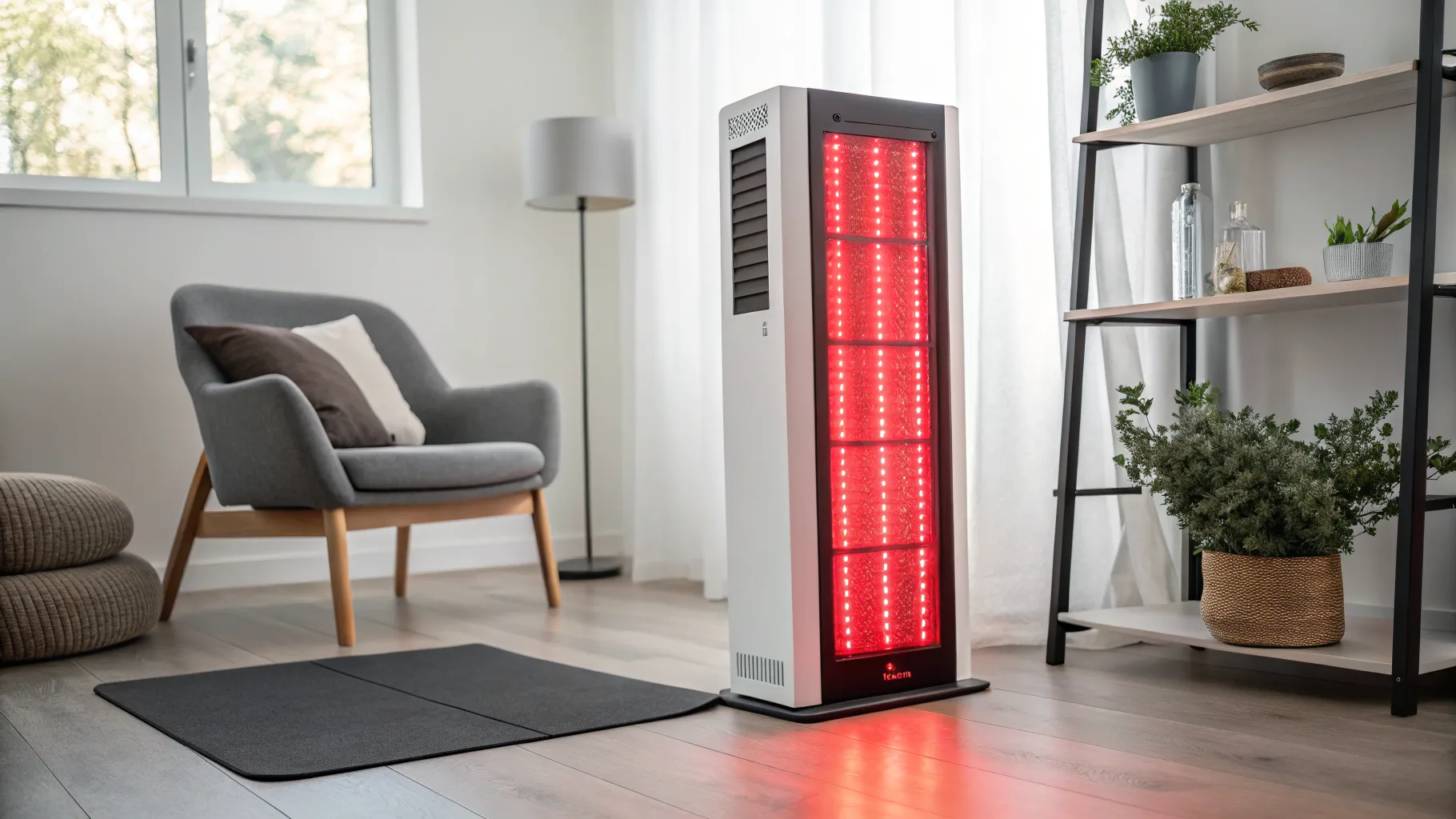
The pursuit of optimal health and wellness increasingly points towards innovative, accessible solutions, and Professional Red Light Therapy Devices for home use stand at the forefront of this revolution. These sophisticated units, once confined to clinics and spas, are now readily available, empowering individuals to harness the therapeutic power of specific light wavelengths from the comfort and convenience of their own residences. Understanding the nuanced benefits and operational aspects of these advanced systems is crucial for anyone looking to integrate Home Red Light Therapy into their daily regimen, promising a spectrum of advantages from enhanced skin health to improved muscle recovery and reduced inflammation.
Understanding the Science Behind Red Light Therapy
At its core, red light therapy, or photobiomodulation (PBM), involves exposing the body to low-level red and near-infrared (NIR) light. These specific wavelengths, typically ranging from 630nm to 850nm, penetrate the skin and are absorbed by the mitochondria within our cells. The mitochondria, often referred to as the "powerhouses" of the cell, then use this light energy to produce more adenosine triphosphate (ATP), which is the primary energy currency of the cell. This increased ATP production fuels cellular repair, regeneration, and overall function. Unlike harmful UV rays, red light therapy does not damage skin cells; instead, it stimulates beneficial biological processes, making Red Light Therapy Benefits wide-ranging and appealing for various health concerns. The precise wavelengths used in Professional Red Light Therapy Devices are critical for achieving these therapeutic effects, ensuring optimal penetration and absorption for maximum cellular impact.
Key Features to Look for in Home Red Light Therapy Units
When investing in Professional Red Light Therapy Devices for personal use, several features differentiate high-quality, effective units from less potent alternatives. The power output, measured in irradiance (mW/cm²), dictates how quickly and effectively the light can penetrate tissue; higher irradiance generally means shorter treatment times and more profound results. Wavelength specificity is also paramount; devices that offer both red (around 660nm) and near-infrared (around 850nm) wavelengths provide a broader range of Red Light Therapy Benefits, as red light is better for superficial skin issues and NIR light penetrates deeper for muscle and joint health. Furthermore, consider the size and coverage area of the device; larger panels can treat more of the body simultaneously, which is a significant advantage for comprehensive at-home treatment. The build quality, safety certifications, and a robust warranty are also indicators of a reliable LED Red Light Devices designed for longevity and consistent performance.
Maximizing Red Light Therapy Benefits with Proper Usage
To fully capitalize on the potential of your At-Home Red Light Treatment, adherence to recommended usage protocols is essential. Consistency is key; regular, short sessions (typically 10-20 minutes) several times a week yield far better results than infrequent, longer sessions. Positioning yourself appropriately in front of the Professional Red Light Therapy Devices is also important to ensure the target area receives adequate exposure. For skin benefits, direct exposure of clean, bare skin is ideal. For deeper tissue concerns, ensure the light can reach the affected area without significant obstruction. Always follow the manufacturer's guidelines for optimal distance from the device and duration of treatment. Incorporating red light therapy into a broader wellness routine, alongside a balanced diet and regular exercise, can amplify the positive outcomes, leading to noticeable improvements in energy levels, skin vitality, and overall physical well-being. Understanding these simple yet crucial usage tips ensures you get the most out of your LED Red Light Devices.
Comparison of Top Professional Red Light Therapy Devices
The market for Home Red Light Therapy is diverse, featuring a range of devices from handheld wands to full-body panels. When comparing options, consider factors like therapeutic power, spectrum of wavelengths, and overall user experience. High-end devices, often used by athletes and wellness professionals, typically offer superior irradiance and the ability to customize red and near-infrared light output independently. These Professional Red Light Therapy Devices might come with advanced features such as pulsing modes, which some studies suggest can enhance cellular response, and app integration for tracking sessions. Mid-range options still provide significant Red Light Therapy Benefits but might have smaller coverage areas or slightly lower power output, making them suitable for targeted treatments. Entry-level LED Red Light Devices are great for beginners, focusing on specific areas like facial rejuvenation, but may not offer the same comprehensive reach. Researching independent reviews and scientific studies related to specific brands can provide valuable insights into their efficacy and reliability, helping consumers make an informed decision for their At-Home Red Light Treatment.
Actionable Advice for Choosing Your Home Red Light Therapy System
- Assess Your Needs: Clearly define your primary goals. Are you looking for skin rejuvenation, pain relief, muscle recovery, or a combination? This will guide your choice between targeted handheld units and larger full-body Professional Red Light Therapy Devices.
- Research Wavelengths: Prioritize devices that offer both red (630-670nm) and near-infrared (810-850nm) wavelengths. This combination ensures a broader range of penetration depths and maximizes potential Red Light Therapy Benefits.
- Check Irradiance Levels: Higher irradiance (mW/cm²) means more energy delivered to your cells, potentially leading to more effective and shorter treatment times. Look for devices with clearly stated irradiance specifications, ideally from close distances.
- Consider Size and Portability: Evaluate your available space and how you plan to use the device. Large panels are excellent for full-body treatment at home, while smaller, portable LED Red Light Devices are convenient for travel or targeted applications.
- Look for Reputable Brands and Certifications: Invest in products from established manufacturers known for quality and customer support. Ensure the device has relevant safety certifications and a clear warranty policy for your peace of mind regarding your At-Home Red Light Treatment.
Frequently Asked Questions
Are Professional Red Light Therapy Devices safe for home use?
Yes, when used according to manufacturer instructions, Professional Red Light Therapy Devices are generally very safe for home use. They do not emit UV rays and are non-invasive. However, it's always advisable to consult with a healthcare professional before starting any new therapy, especially if you have pre-existing medical conditions or are taking photosensitizing medications.
How often should I use my Home Red Light Therapy device?
The optimal frequency can vary depending on the device and your specific goals. Generally, most manufacturers recommend daily sessions of 10-20 minutes, 3-5 times per week. Consistency is more important than duration or intensity. Regular use over several weeks or months is key to experiencing the full range of Red Light Therapy Benefits.
What is the difference between red light and near-infrared light in LED Red Light Devices?
Red light (typically 630-670nm) is absorbed by the skin and is excellent for superficial issues like skin rejuvenation, collagen production, and wound healing. Near-infrared light (typically 810-850nm) penetrates deeper into the body, reaching muscles, joints, and bones, making it effective for pain relief, muscle recovery, and reducing inflammation. Many Professional Red Light Therapy Devices combine both for comprehensive treatment.
Can I use At-Home Red Light Treatment for anti-aging?
Absolutely. One of the most popular Red Light Therapy Benefits is its ability to stimulate collagen and elastin production, which can reduce the appearance of fine lines, wrinkles, and improve overall skin tone and texture. Regular use of Professional Red Light Therapy Devices can lead to a more youthful and radiant complexion over time.
References
- Hobday, G. (2023). The Photobiomodulation Handbook: Clinical and Home Use Applications.
- Smith, L. (2022). Light Therapy for Cellular Health: A Comprehensive Guide.
- Journal of Photochemistry and Photobiology B: Biology. (Ongoing Research).
- Mayo Clinic. (2021). Red Light Therapy: Can it improve your skin?
Authored by MyTrendSpot team