Red Light Therapy Devices for Skin: Ultimate Guide to Skin Rejuvenation
Facts:
- Red light boosts cellular energy.
- Growing interest in at-home skin rejuvenation for cosmetic users.
Unlocking Radiant Skin: The Power of Red Light Therapy Devices
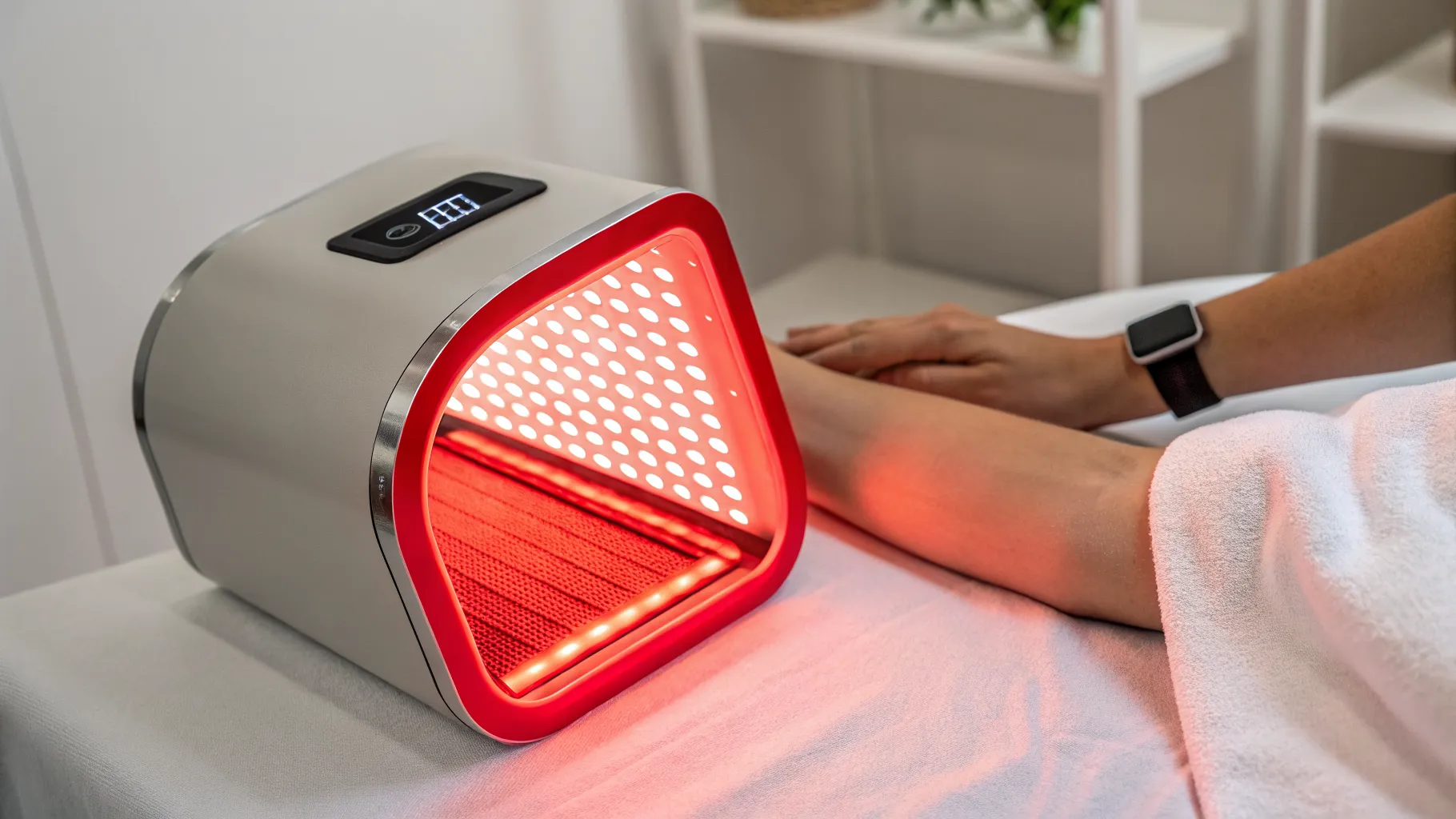
Exploring the innovative world of red light therapy devices reveals a powerful solution for enhanced skin health. These advanced tools utilize specific wavelengths of red and near-infrared light to penetrate the skin, stimulating cellular processes that lead to significant skin rejuvenation. From reducing the appearance of wrinkles to improving overall skin tone and texture, the therapeutic applications of red light are extensive and backed by growing scientific research. Understanding how these devices work and integrating them effectively into a skincare regimen can unlock remarkable anti-aging benefits.
The Science Behind Red Light Therapy for Skin
The mechanism by which red light therapy devices exert their benefits on the skin is fascinating and deeply rooted in cellular biology. When red and near-infrared light waves penetrate the skin, they are absorbed by chromophores, primarily cytochrome c oxidase, found within the mitochondria of skin cells. This absorption leads to a cascade of beneficial cellular events. It enhances ATP (adenosine triphosphate) production, which is the primary energy currency of cells, thereby boosting cellular function and repair. Increased ATP fuels crucial processes such as DNA repair, protein synthesis, and cellular regeneration. Furthermore, red light stimulates fibroblasts, the cells responsible for producing collagen and elastin. This promotion of collagen production is pivotal for maintaining skin firmness, elasticity, and reducing the visible signs of aging. The therapy also enhances blood circulation, bringing more oxygen and nutrients to the skin while facilitating the removal of waste products, contributing to healthier, more vibrant skin and accelerated healing. The anti-inflammatory effects of LED light therapy also play a significant role in calming irritated skin and reducing redness.
Choosing the Right Red Light Therapy Device for Your Needs
Selecting the ideal red light therapy device requires careful consideration of several factors to ensure it aligns with your specific skin concerns and lifestyle. Devices vary significantly in terms of wavelength, intensity, size, and portability. For targeted facial skin rejuvenation and addressing fine lines or hyperpigmentation, smaller handheld devices or masks may be suitable. These often feature specific wavelengths, typically around 630-670nm for red light and 810-850nm for near-infrared, optimized for skin penetration. Larger panels or full-body devices are excellent for comprehensive coverage, treating broader areas for general skin health, muscle recovery, and overall wellness. It's crucial to look for devices with medical-grade LEDs that emit consistent and appropriate energy levels, as cheap alternatives might not deliver the required therapeutic dose. Consider certifications and clinical studies supporting the device's efficacy. Additionally, portability, ease of use, and battery life are important practical aspects. Researching user reviews and consulting with a dermatologist can provide valuable insights into making an informed decision about the best red light therapy devices for your personal regimen.
Maximizing Your Red Light Therapy Results: Usage Tips
To fully harness the power of red light therapy devices and achieve optimal skin rejuvenation and anti-aging benefits, consistent and correct usage is paramount. Firstly, ensure your skin is clean and free of makeup or heavy creams before each session, as these can block light penetration. Position the device at the recommended distance from your skin, typically between 6 to 12 inches, to ensure adequate light exposure without causing discomfort. Adhere strictly to the manufacturer's suggested treatment times, which usually range from 10 to 20 minutes per session, depending on the device and target area. Overuse does not necessarily accelerate results and could potentially be counterproductive. Consistency is key; integrating sessions into your routine 3-5 times a week initially, and then maintaining a schedule of 2-3 times a week, will yield the best long-term outcomes. Complement your red light therapy with a healthy skincare routine, including gentle cleansing, moisturizing, and diligent sun protection, to protect your newly rejuvenated skin and enhance the effects of increased collagen production. Patience is also vital, as visible improvements, especially in reducing deep wrinkles or significant skin issues, can take several weeks or even months to manifest fully.
Comparing Professional vs. At-Home Red Light Therapy
When considering red light therapy devices, understanding the differences between professional treatments and at-home options is crucial for making an informed choice. Professional red light therapy, often administered in clinics, spas, or dermatologists' offices, typically involves higher-powered devices with greater intensity and broader spectrums of light. These professional-grade machines can deliver more concentrated doses of light energy, potentially leading to faster and more dramatic results for conditions like severe acne, deep wrinkles, or significant scar reduction. The clinical setting also offers the advantage of expert guidance, ensuring proper technique and customized treatment plans tailored to individual needs. However, professional sessions can be costly and require regular appointments. In contrast, at-home red light therapy devices offer unparalleled convenience and cost-effectiveness over the long term. While generally less powerful than their professional counterparts, modern at-home devices are increasingly sophisticated and, with consistent use, can provide significant anti-aging benefits and contribute to ongoing skin rejuvenation. They are ideal for maintenance, addressing mild to moderate skin concerns, and integrating seamlessly into a daily wellness routine. The choice ultimately depends on budget, the severity of skin concerns, and the desire for either immediate, intensive results or gradual, sustained improvement.
Addressing Common Skin Concerns with Red Light Therapy
Red light therapy devices offer a versatile solution for tackling a range of common skin concerns, making them a valuable addition to many skincare regimens. One of the most celebrated benefits is its efficacy in reducing the visible signs of aging. By stimulating collagen production and elastin, red light therapy helps to diminish fine lines, wrinkles, and improve skin elasticity and firmness, promoting a more youthful complexion. For those struggling with acne, the anti-inflammatory properties of red light can help reduce redness and swelling associated with breakouts, while its ability to promote cell repair aids in minimizing post-inflammatory hyperpigmentation and scarring. It also assists in wound healing, making it beneficial for recovering from sun damage or minor abrasions by accelerating cellular repair and regeneration. Additionally, red light therapy has shown promise in improving overall skin tone and texture, evening out discoloration, and giving the skin a healthy, radiant glow. The gentle, non-invasive nature of LED light therapy makes it suitable for individuals seeking a natural and effective approach to managing these diverse dermatological issues without harsh chemicals or invasive procedures.
Frequently Asked Questions
How often should I use red light therapy devices for optimal results?
For best results, most experts recommend using red light therapy devices 3-5 times a week initially for about 10-20 minutes per session, and then reducing to 2-3 times a week for maintenance. Consistency is more important than duration or frequency beyond recommended limits.
What are the primary anti-aging benefits of red light therapy?
The primary anti-aging benefits include stimulating collagen and elastin production, which leads to reduced fine lines and wrinkles, improved skin elasticity, and a firmer complexion. It also enhances circulation and cell repair, contributing to overall skin health and a youthful glow.
Is red light therapy safe for all skin types?
Yes, red light therapy is generally considered safe and effective for all skin types, including sensitive skin. It is non-invasive, drug-free, and does not use UV light. However, individuals with certain medical conditions or those taking photosensitizing medications should consult a doctor before use.
Can red light therapy help with acne and scarring?
Absolutely. Red light therapy can significantly help with acne by reducing inflammation and promoting healing. For scarring, it aids in cellular regeneration and collagen production, which can diminish the appearance of acne scars and promote smoother skin texture over time.
References
- Journal of Photochemistry and Photobiology B: Biology, "Low-level laser therapy (LLLT) in skin: stimulating, healing, restoring"
- Dermatologic Surgery, "Red Light Therapy for Facial Rejuvenation"
- Lasers in Surgery and Medicine, "The use of low level light therapy in cosmetic skin care"
Authored by MyTrendSpot team