Choosing a Reliable Solar Generator for Your Next Camping Adventure
Quick Facts:
- Solar generator adoption for camping surged.
- Demand for portable solar solutions for outdoor enthusiasts remains high.
Unlocking True Independence with a Reliable Solar Generator for Camping
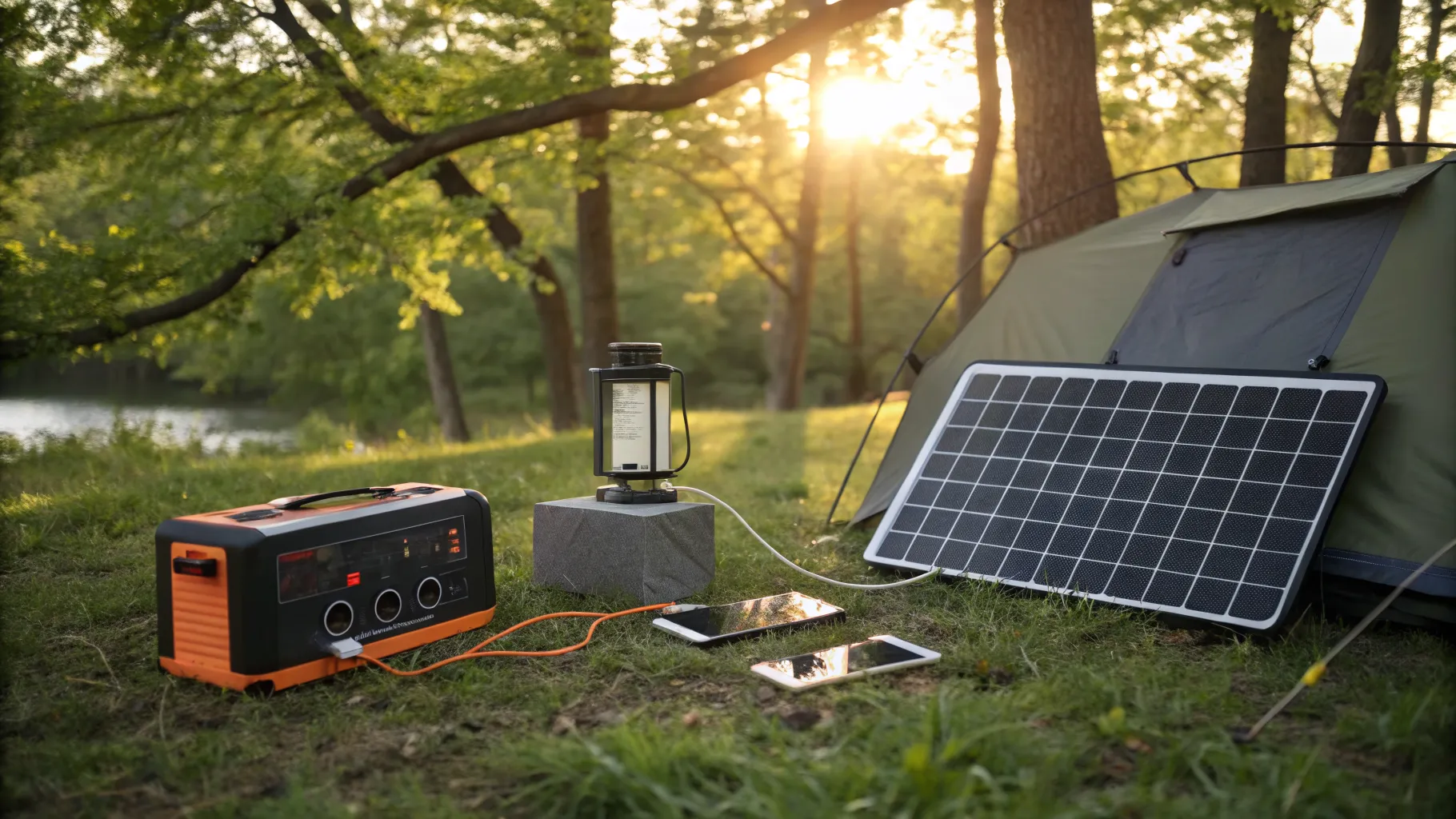
The allure of the great outdoors often comes with the challenge of maintaining essential comforts and critical device functionality. For adventurers seeking uninterrupted electricity, a reliable solar generator is no longer a luxury but a fundamental component of modern off-grid camping. This powerful yet eco-friendly device harnesses the sun's abundant energy, converting it into usable electricity to keep your gadgets charged, your lights on, and your mini-fridge humming, ensuring every camping trip is comfortable and connected.
Why a Solar Generator is Essential for Modern Camping Power
Gone are the days when camping meant completely disconnecting from all technology. Today, many campers rely on devices for navigation, communication, photography, and even cooking. A solar generator provides the necessary camping power without the noise, fumes, or ongoing fuel costs associated with traditional gas generators. It represents a clean, quiet, and truly sustainable approach to enjoying the wilderness, allowing you to power everything from smartphones and laptops to portable refrigerators and medical devices. The ability to recharge your power source simply by exposing it to sunlight offers unparalleled freedom and peace of mind during extended expeditions into nature's embrace.
Key Features to Look for in a Portable Solar Solution
When investing in a portable solar solution for your camping adventures, several crucial factors should guide your decision-making process. First and foremost is the capacity of the battery bank, typically measured in Watt-hours (Wh). This dictates how much energy your solar generator can store and deliver before needing a recharge. Next, consider the inverter's output wattage, which determines what appliances it can power. A higher continuous output is essential for running larger items. Additionally, examine the number and type of output ports; USB-A, USB-C, AC outlets, and DC carports are all beneficial for diverse device charging. Finally, prioritize models with durable construction, fast-charging capabilities, and efficient solar input for quick replenishment of camping power.
Understanding Battery Capacity and Output
The core of any effective solar generator is its battery. Lithium-ion batteries are prevalent due to their high energy density and longevity. A higher Wh rating means more stored energy, allowing you to run devices for longer durations. The inverter's AC output is equally critical, as it defines the maximum power an appliance can draw. Ensure the generator's continuous output exceeds the combined wattage of all devices you plan to operate simultaneously. For example, if you plan on running a mini-fridge (60W) and charging a laptop (65W) at the same time, you'll need an inverter with at least 125W continuous output, ideally more for a safety margin and to handle peak surges.
Durability and Portability for Off-Grid Camping
Given the rugged environments of off-grid camping, the physical design and construction of your portable solar solution are paramount. Look for generators with robust casings, often made from high-impact plastics or aluminum, designed to withstand bumps, drops, and various weather conditions. Ergonomic handles, compact form factors, and manageable weight contribute significantly to portability. While a larger battery capacity often means more weight, many manufacturers are finding innovative ways to balance power with ease of transport, making these units genuinely practical for carrying into remote campsites. Water resistance ratings (IP ratings) can also be a valuable consideration for protecting your investment from unexpected downpours.
Comparing Top Reliable Solar Generator Models
The market for reliable solar generator units has expanded significantly, offering a range of options catering to different needs and budgets. For casual weekend campers, smaller units like the Jackery Explorer 300 or Goal Zero Yeti 400 offer sufficient camping power for basic essentials. These are lightweight and highly portable. For more extensive expeditions or powering larger appliances, higher-capacity models such as the EcoFlow Delta series or Bluetti AC200MAX provide substantial wattage and battery life, often featuring expandable battery options. When comparing, scrutinize charging times, the types of solar panels they are compatible with, and any advanced features like app control or uninterrupted power supply (UPS) functionality. Prioritizing efficiency in solar charging is key for maintaining continuous sustainable energy throughout your trip.
Maximizing Your Sustainable Energy Output
To get the most out of your portable solar solution, strategic placement and efficient usage are crucial. Always position your solar panels to receive direct sunlight, adjusting their angle throughout the day to track the sun's movement. Even a slight angle adjustment can significantly boost your charging efficiency. Avoid shaded areas and clean your panels regularly to prevent dust and debris from hindering performance. Furthermore, prioritize charging devices that are critical and try to minimize the use of high-wattage appliances, especially during periods of limited sunlight. Understanding your solar generator's input limits for solar panels is also important; over-paneling can sometimes be inefficient or even damaging, so always adhere to manufacturer specifications for optimal sustainable energy capture.
Actionable Advice for Prolonging Your Solar Generator's Lifespan
- Regular Maintenance and Cleaning: Keep your solar generator and associated solar panels free from dust, dirt, and moisture. Clean the panels with a soft, damp cloth to ensure maximum light absorption and inspect cables for any signs of wear or damage.
- Optimal Storage Conditions: When not in use, store your portable solar solution in a cool, dry place, away from direct sunlight and extreme temperatures. For prolonged storage, charge the battery to around 50-80% capacity to maintain battery health, as fully charging or completely draining can degrade its lifespan over time.
- Mindful Charging Cycles: While modern lithium batteries can handle many charge cycles, avoiding constant deep discharges and full recharges can extend the overall life of your camping power unit. Intermittent topping up is generally better than running the battery to zero repeatedly.
- Firmware Updates: Some advanced solar generator models offer firmware updates. Regularly check the manufacturer's website for these updates, as they can improve performance, add new features, or enhance battery management systems, ensuring your unit operates at peak efficiency.
- Avoid Overloading: Always be mindful of the maximum output wattage of your reliable solar generator. Continuously drawing more power than it's designed for can strain the inverter, potentially leading to damage or reduced efficiency.
Frequently Asked Questions
How long does a reliable solar generator typically last?
The lifespan of a reliable solar generator largely depends on its battery type and usage patterns. Most modern lithium-ion batteries are rated for 500-2000 charge cycles before their capacity significantly degrades (e.g., to 80% of original capacity). With proper care, a quality portable solar solution can last anywhere from 5 to 10 years or even longer, providing consistent camping power.
Can a solar generator power an RV or camper?
While many solar generator units are designed for smaller applications, some high-capacity models can indeed provide substantial camping power for RVs or campers, especially for basic amenities. For full RV integration, you'd typically need a larger system, potentially involving multiple batteries and higher-wattage solar panels to truly support extended off-grid camping with major appliances.
Is a solar generator worth the investment for occasional campers?
Even for occasional campers, a reliable solar generator can be a worthwhile investment. It eliminates the need for noisy gas generators, provides clean, quiet sustainable energy, and can be used for emergency home backup. The convenience and peace of mind it offers, knowing you always have access to power, often outweigh the initial cost, making every trip smoother and more enjoyable.
References
- Industry reports on portable power solutions.
- Market analysis of outdoor equipment and renewable energy.
- Expert reviews and comparisons of solar generators.
- Studies on consumer demand for off-grid power.
- Environmental impact assessments of various energy sources for camping.
Authored by MyTrendSpot team