Restore Youthful Contours: Understanding Dermal Fillers for Volume Loss
Fast Facts:
- Dermal fillers are highly effective for age-related volume loss.
- Demand for non-surgical facial rejuvenation continues to rise for aesthetic patients.
Addressing Facial Volume Loss: A Comprehensive Guide to Dermal Fillers
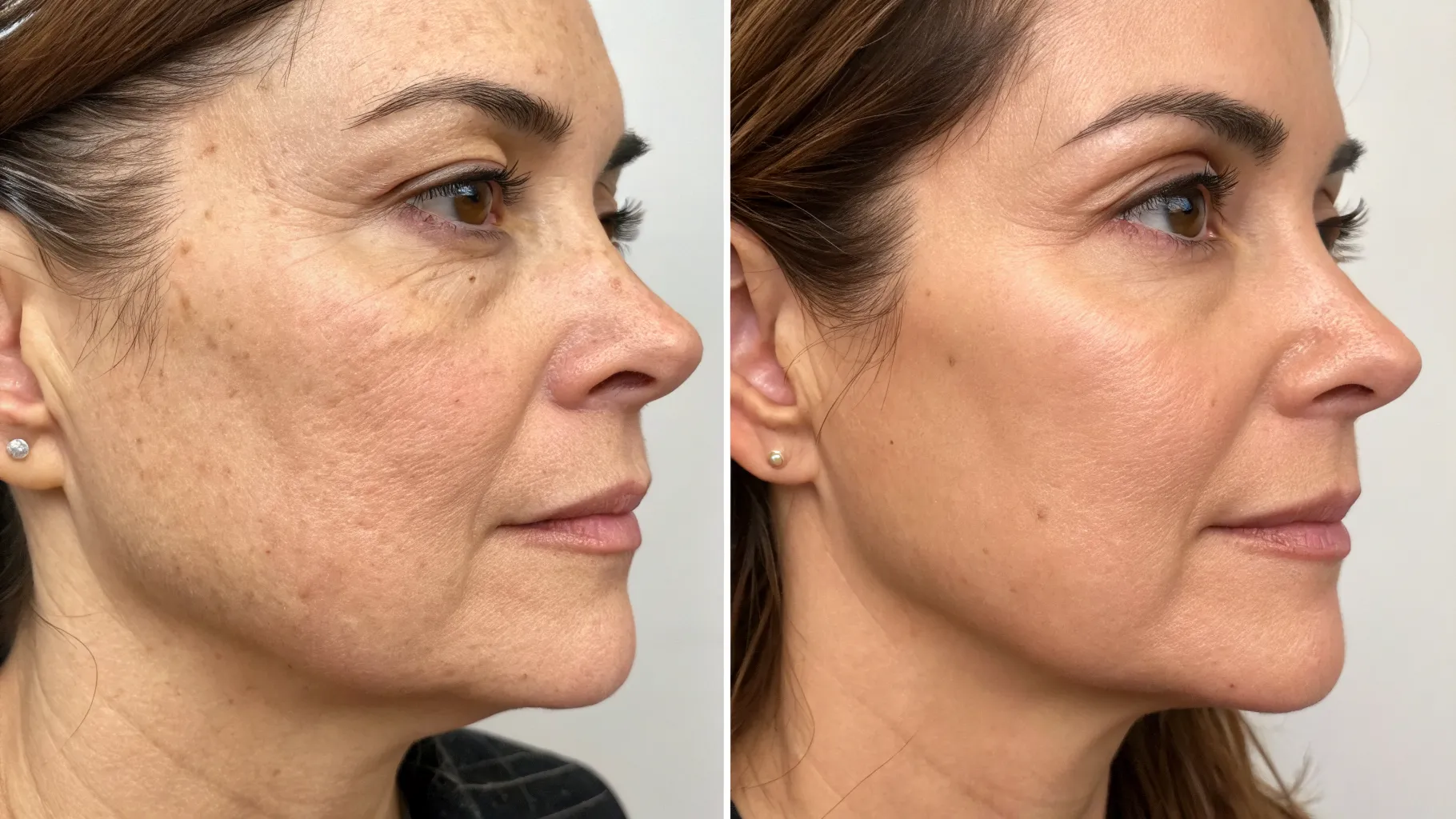
As we age, a natural process of tissue atrophy, bone resorption, and fat pad displacement can lead to noticeable volume loss in the face, contributing to a tired, hollow, or aged appearance. Understanding the underlying causes of this phenomenon is the first step toward effective facial rejuvenation. Fortunately, advancements in aesthetic medicine offer sophisticated solutions, with dermal fillers standing out as a premier treatment for restoring lost volume and revitalizing facial contours. These injectable treatments provide a non-surgical pathway to regaining a more youthful and refreshed look, targeting specific areas where volume depletion is most evident, such as the cheeks, temples, and under-eye regions, delivering profound and often immediate improvements.
Understanding Facial Volume Loss and Its Causes
Facial volume loss is a multifaceted process that contributes significantly to the visible signs of aging. Over time, the body's natural production of collagen and elastin, essential proteins for skin elasticity and structure, diminishes. This, coupled with the gradual reduction and downward migration of subcutaneous fat pads, leads to a hollowed appearance, particularly in the mid-face. Furthermore, bone resorption in the facial skeleton can exacerbate this effect, creating a more pronounced loss of support and structure. These changes manifest as sunken cheeks, hollow temples, deeper nasolabial folds, and a general flattening of the facial contours. Addressing this underlying depletion of volume is crucial for achieving comprehensive facial rejuvenation, and dermal fillers are specifically designed to replenish these depleted areas, providing structural support and restoring youthful curves.
Types of Dermal Fillers for Effective Volume Restoration
The landscape of dermal fillers offers a diverse range of options, each formulated with unique properties to address specific types of volume loss and aesthetic goals. Among the most popular are hyaluronic acid fillers, which utilize a naturally occurring substance in the body to attract and hold water, instantly plumping the skin and restoring volume. Brands like Juvéderm and Restylane fall into this category, offering immediate, reversible results that typically last from 6 to 18 months. Beyond hyaluronic acid, other significant options include calcium hydroxylapatite fillers (e.g., Radiesse), which not only provide immediate volume but also stimulate the body's natural collagen stimulation over time, leading to longer-lasting results. Poly-L-lactic acid (e.g., Sculptra) works primarily by stimulating the body's own collagen production, offering gradual but very long-lasting improvements. The choice of filler depends heavily on the specific area being treated, the degree of volume loss, and the desired longevity of the outcome, making a personalized consultation essential for optimal facial rejuvenation.
Key Areas for Dermal Filler Application and Facial Rejuvenation
Dermal fillers are incredibly versatile tools for facial rejuvenation, capable of addressing volume loss across various critical areas of the face. The cheeks are a primary target, where restoring lost projection can lift the mid-face, reduce the appearance of nasolabial folds, and create a more youthful curve. Temples, often overlooked, can develop a hollowed appearance with age; filler here can soften the facial silhouette. Under-eye hollows, also known as tear troughs, are another common concern, where specialized fillers can reduce shadowing and rejuvenate the delicate eye area. Furthermore, fillers can be strategically used to define the jawline, enhance the chin, and soften deep lines like nasolabial folds and marionette lines, which are often a consequence of underlying volume loss. Strategic placement of these fillers by an experienced practitioner leads to a harmonious and natural-looking overall facial rejuvenation, effectively reversing many signs of aging.
The Dermal Filler Treatment Process: What to Expect
Embarking on a dermal filler treatment journey typically begins with a thorough consultation with a qualified and experienced aesthetic practitioner. During this initial meeting, the practitioner will assess your facial anatomy, discuss your aesthetic goals, and determine the most appropriate type and amount of filler needed to address your specific areas of volume loss. This personalized approach ensures the most effective and natural-looking results for your facial rejuvenation. The treatment itself is generally quick, often taking less than an hour. After cleansing the skin, a topical numbing cream may be applied to enhance comfort. The filler is then meticulously injected using fine needles or cannulas into the targeted areas. Most patients experience minimal discomfort, often described as a slight pinch or pressure. Post-treatment, some temporary swelling, redness, or bruising at the injection sites is common, but these side effects typically subside within a few days. Patients can usually resume their normal activities almost immediately, making dermal fillers a convenient option for profound aesthetic improvement.
Maintaining Your Results and Safety Considerations with Dermal Fillers
The longevity of results from dermal fillers can vary significantly depending on the type of filler used, the area treated, and individual metabolism. Hyaluronic acid fillers typically last between 6 to 18 months, while those that promote collagen stimulation, such as calcium hydroxylapatite or poly-L-lactic acid, can offer results lasting up to two years or even longer. Regular follow-up treatments are generally recommended to maintain optimal results and continue the benefits of facial rejuvenation. Safety is paramount when undergoing any aesthetic procedure. It is crucial to choose a board-certified dermatologist, plastic surgeon, or highly trained medical aesthetician who possesses extensive experience with dermal fillers. A skilled practitioner understands facial anatomy thoroughly, minimizing risks and ensuring proper injection techniques. While side effects are generally mild and temporary, rare complications can occur. An open discussion with your practitioner about potential risks and proper post-care instructions is essential to ensure a safe and satisfying experience with dermal fillers for treating volume loss.
Frequently Asked Questions
Are dermal fillers permanent solutions for volume loss?
No, most dermal fillers are not permanent. The body gradually absorbs the filler material over time. The duration of results varies depending on the type of filler, the treated area, and individual factors, typically lasting from 6 months to over 2 years, requiring maintenance treatments for sustained facial rejuvenation.
How long do the results from hyaluronic acid fillers typically last?
Results from hyaluronic acid fillers generally last between 6 to 18 months. Factors like the specific product used, the injection site, and individual metabolism can influence how quickly the filler is broken down by the body.
Can dermal fillers be reversed if I am unhappy with the outcome?
Yes, one significant advantage of hyaluronic acid fillers is that they can be dissolved using an enzyme called hyaluronidase. This allows for adjustments or reversal of treatment if a patient is unsatisfied with the results or if complications arise.
What is the difference between dermal fillers and Botox for facial rejuvenation?
Dermal fillers primarily address volume loss and static wrinkles by plumping the skin and restoring contours. Botox (botulinum toxin), on the other hand, works by temporarily relaxing muscle contractions that cause dynamic wrinkles, such as frown lines and crow's feet. They often complement each other in a comprehensive facial rejuvenation plan.
References
- American Society of Plastic Surgeons. Dermal Fillers.
- Journal of Clinical and Aesthetic Dermatology. Advancements in Hyaluronic Acid Dermal Fillers.
- Dermatologic Surgery. Consensus Recommendations for Dermal Filler Safety.
- Facial Plastic Surgery Clinics of North America. Review of Injectable Fillers for Facial Rejuvenation.
Authored by MyTrendSpot team