12 days tour to Japan: An Analytical Guide to Regional Itineraries and Infrastructure
A twelve-day journey through Japan typically functions as a comprehensive introduction to the nation's diverse geographical and cultural sectors, often referred to as the Golden Route. Historical travel patterns suggest that twelve days provide the necessary duration to traverse the primary corridor between Tokyo and Osaka while allowing for excursions into the Japanese Alps or southern regions like Hiroshima 1. Data indicates that most standardized itineraries begin in the capital city, utilizing the first three days to establish a foundation in urban logistics and Edo-period history before transitioning to the central prefectures 2.
Urban Foundations and the Kanto Metropolitan District
Tokyo serves as the primary entry point for a twelve-day tour to Japan, where the intersection of high-speed urbanity and preserved tradition is most evident. Itineraries frequently prioritize the Asakusa district, home to the Senso-ji Temple, which is recognized as the oldest temple in the city 3. Statistical data from tourism boards shows that the majority of structured tours include a half-day or full-day guided introduction to neighborhoods such as Shinjuku and Shibuya, focusing on landmarks like the Meiji Shrine and the Shibuya Crossing 4.
The logistical complexity of Tokyo is often managed through the use of integrated circuit cards, such as Suica or Pasmo, which facilitate seamless movement across the city's vast rail and metro networks 5. Beyond the central districts, day trips to Kamakura or the Fuji Five Lakes are common features of a twelve-day schedule. Historical analysis suggests that visiting the Great Buddha in Kamakura or viewing Mount Fuji from Lake Kawaguchi provides a necessary contrast to the dense urban environment of the capital 3. However, observers note that visibility at Mount Fuji is highly dependent on weather conditions, which can introduce variability into the travel experience 6.
The New Golden Route and the Japanese Alps
An evolving trend in Japanese travel involves the New Golden Route, which extends the traditional Tokyo to Kyoto path through the central mountains. This variation typically includes stops in Takayama, Shirakawa-go, and Kanazawa, offering a deeper immersion into traditional craftsmanship and rural architecture 7. Takayama is noted for its beautifully preserved old town, while the UNESCO World Heritage site of Shirakawa-go is famous for its gassho-zukuri houses, which are built with steep thatched roofs designed to withstand heavy snowfall 1.
Kanazawa represents a critical cultural node on this Alpine loop, particularly known for its historical samurai and geisha districts. Data highlights the city's specialization in gold leaf products, where traditional techniques are still utilized to create various artistic works 8. Additionally, the Kenroku-en garden in Kanazawa is frequently cited as one of the top three landscape gardens in the country, showcasing meticulous horticultural designs dating back to the 17th century 1. This segment of the journey often involves the use of the Hokuriku Shinkansen, which has significantly reduced travel times between the Alps and the Kanto region 7.
Cultural Preservation in Kyoto and Nara
Kyoto remains the cultural centerpiece of a twelve-day itinerary, functioning as the imperial capital for over a millennium. Modern travel records indicate that three to four days are typically allocated to this region to cover its high density of UNESCO World Heritage Sites, including the Kinkaku-ji (Golden Pavilion) and the Fushimi Inari Shrine 9. The city is also a primary location for experiencing traditional arts, such as formal tea ceremonies and geisha culture in the Gion district 10.
| Activity Category | Common Historical Locations | Estimated Duration |
|---|---|---|
| Temple and Shrine Visits | Kinkaku-ji, Fushimi Inari, Kiyomizu-dera | 1.5 to 2 Days |
| Traditional Cultural Arts | Tea Ceremony, Kimono Wearing, Gion Walks | 0.5 to 1 Day |
| Natural Landmarks | Arashiyama Bamboo Grove, Sagano Railway | 0.5 Day |
| Regional Day Trips | Nara Deer Park, Todai-ji Temple | 1 Day |
Nara, located approximately one hour from Kyoto, is often integrated as a day trip. It is recognized for the Todai-ji Temple, which houses one of the world's largest bronze Buddha statues, and the Nara Deer Park, where hundreds of sacred deer roam freely 11. Cultural analysis suggests that these sites provide a distinct perspective on the early stages of Japanese Buddhism and statehood, complementing the later architectural styles found in Kyoto 12.
Southern Extensions and the Chugoku Region
For many twelve-day tours, the itinerary extends southward to include Hiroshima and Miyajima Island. This region is historically significant due to the Peace Memorial Park and Museum, which documents the events and aftermath of the 1945 atomic bombing 13. Reports indicate that this stop is often cited by travelers as one of the most poignant and educational aspects of a journey through Japan, providing a somber reflection on modern global history 6.
Adjacent to Hiroshima, Miyajima Island is renowned for the Itsukushima Shrine and its iconic floating torii gate. During high tide, the gate appears to stand in the middle of the sea, a sight that is considered one of Japan's most photographed landmarks 14. Traveling to this region is made efficient by the Sanyo Shinkansen, though travelers must account for the logistical transition from the bullet train to the local ferry required to reach the island 11.
Transportation Infrastructure and Logistical Metrics
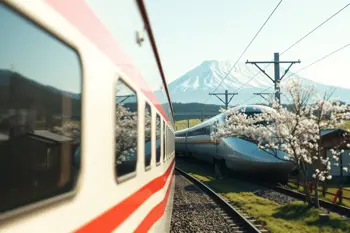
Efficient movement across Japan is primarily facilitated by the Shinkansen (bullet train) network, which connects major cities at speeds exceeding 300 kilometers per hour. For a twelve-day tour, the cost-effectiveness of a Japan Rail (JR) Pass is a common subject of analysis among logistics experts 7. While the pass once offered universal value, recent price adjustments mean its utility now depends heavily on the specific distance traveled and the number of long-range legs included in the route 5.
To minimize travel friction, many itineraries utilize luggage forwarding services known as TA-Q-BIN. This system allows travelers to send large suitcases between hotels, enabling them to navigate trains and crowded stations with only a small day pack 5. Furthermore, the concept of the open-jaw flight, where a traveler arrives in Tokyo and departs from Osaka or Hiroshima, is recommended to eliminate the need for a costly and time-consuming return trip to the starting city 7.
Economic Variations and Participation Realities
The financial commitment for a twelve-day tour to Japan varies significantly based on the level of service and the degree of private customization. Historical market data shows that group-based tours may start at approximately $3,500, while private luxury journeys involving high-end ryokan stays and specialized guides can exceed $12,000 per person 1, 15. These figures generally exclude international airfare but often include domestic transport, select meals, and guided activities 2.
Prospective travelers should also consider seasonal impacts on both cost and density. The cherry blossom season (Sakura) in late March and the autumn foliage (Koyo) in November represent peak periods where accommodation availability is limited and regional sites experience high visitor volumes 16. Additionally, the physical intensity of these tours can be high, often requiring significant daily walking through temple grounds and urban centers, which may be a constraint for those with mobility concerns 17.
Sources
- Japan Highlights: 12-Day Classic Japan Tour
- Topdeck: Japan Sushi & Shrines
- Travel See Write: 12 Days Japan Discovery Tour
- Tours to Asia: 12-Day Cultural Odyssey
- MyTripBlueprint: 12 Days in Japan Itinerary
- Global Journeys: Classic Japan Land of the Rising Sun
- JapanLinked: 12 Days in Japan New Golden Route
- Travel See Write: Kanazawa Discovery Details
- Alo Japan: Kyoto Tours and Itineraries
- Adventuretripr: 12-Day Japan Premium Guided Tour
- Able Travel: 12 Days Grand Discovery of Japan
- Royal Air Trip: South Korea and Japan 12-Day Highlights
- Flight Centre: 12 Day Jewels of Japan with Hiroshima
- Mark Ingram Travel: Independent Tokyo Kyoto Hiroshima
- Travel.ninja: Japan Cultural Immersion Private Journey
- Arihant Tours: Cherry Blossom of Japan Tour Packages
- TourRadar: 10-12 Day Highlights of Japan Small Group Tour
Authored by MyTrendSpot team