Cold-Weather Outerwear: Men's Winter Fur Parkas on sale Analyzed
When the temperature drops, selecting appropriate cold-weather outerwear becomes a matter of physical comfort and safety. Consumers seeking reliable insulation often evaluate men's winter fur parkas on sale to secure high-performance gear capable of withstanding sub-zero environments 1. These garments serve as critical barriers against wind, rain, and snow, utilizing specialized materials and historical construction methods developed in polar regions 2. Understanding the structural components, insulation values, and pricing dynamics in the current marketplace is essential for making an informed, long-term investment in winter protection.
The Anatomy and Origins of the Classic Winter Parka
The modern winter parka has its architectural roots in the Arctic, where the Inuit people designed long, heavy coats to survive extreme temperatures 2. Unlike standard waist-length puffer jackets, a true parka is built with an extended silhouette to cover the thighs and torso, keeping vital organs insulated 2. The signature design feature is the spacious hood, which is traditionally lined with fur or high-grade synthetic equivalents to trap warm air around the face and disrupt biting crosswinds 3.
Over the decades, military developments and civilian adaptations have refined the parka into a highly technical garment. In the 1950s, the United States military introduced the iconic N-3B parka, solidifying the long-cut, heavy-duty aesthetic that remains a staple of extreme-cold collections 2. Today, manufacturers combine these classic silhouettes with advanced textile engineering, utilizing water-repellent outer shells, taped seams, and multi-layered pocket configurations to suit both remote wilderness expeditions and urban commuting 4.
Comparing Premium Down and Synthetic Insulations
One of the primary choices consumers face when examining men's winter fur parkas is the type of insulation material used inside the coat. Natural down, typically sourced from geese or ducks, remains the gold standard for lightweight warmth 4. Measured in fill power, higher numbers indicate fluffier clusters that trap more air relative to their weight 4. For example, premium parkas often feature down ratings between 600 and 800 fill power, offering comfort in temperatures as low as -20°C to -30°C 4 5.
Conversely, synthetic insulation has advanced significantly to provide high thermal resistance even when wet. Materials like PrimaLoft utilize ultra-fine polyester fibers to mimic the structure of natural down 6. While synthetic fills are generally heavier and less packable than down, they are highly durable and retain their insulating properties if exposed to damp snow or rain 6. Many heavy-duty utility jackets utilize a combination of cotton-blend shells and thick polyester synthetic lining to offer structured wind-resistance alongside reliable daily warmth 7.
The Functional Role of Fur and Faux Fur Trims
The fur trim on a parka hood is not merely decorative; it serves a crucial aerodynamic purpose. When walking through freezing winds, the varied hair lengths of a natural fur trim (such as coyote, rabbit, or fox fur) create a boundary layer of calm air in front of the face 8 9. This boundary layer minimizes heat loss from the nose and cheeks while preventing frostbite 3. Premium brands often utilize genuine rabbit or mink fur linings for the interior collar or hood to provide skin-soft warmth and immediate thermal regulation 7 8.
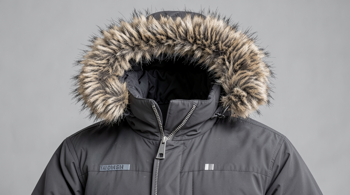
For those prioritizing easy maintenance or sustainable alternatives, high-density faux fur has become highly prevalent. Advanced modern faux fur closely mimics the texture and protective properties of natural fur without the associated maintenance challenges 10. Many modern utility parkas feature a detachable hood trim, allowing the wearer to customize their look or remove the trim altogether before machine washing the garment 1 10.
Market Pricing and Seasonal Clearance Trends
The pricing for men's winter fur parkas varies widely based on brand heritage, fabrication materials, and retail timing. Standard synthetic and faux fur utility coats typically range from $150 to $400, while premium Canadian down or European designer models can range from $600 to upwards of $1,400 1 11 12. During transition periods, such as end-of-season clearance events or late winter markdowns, major department stores and direct retailers offer substantial discounts to clear out heavy seasonal inventory 1 13.
| Brand / Retailer | Key Outerwear Features | Typical Price Range |
|---|---|---|
| The North Face | 600-fill down, waterproof shell, detachable faux fur 4 | $200 - $400 4 |
| Moose Knuckles | Down fill, water-repellent shell, real shearling/fox fur 11 14 | $1,000 - $1,500 11 14 |
| Nobis | Sympatex membrane, premium down, windproof 5 | $700 - $1,200 5 |
| Budget / Utility Brands | Polyester shell, synthetic insulation, faux fur trim 10 | $100 - $250 10 |
Technical Performance and Weatherproofing Standards
A quality winter parka must do more than keep cold air out; it must actively manage moisture. High-end parkas utilize specialized waterproof and breathable membranes, such as Sympatex or Gore-Tex, which feature a 10,000mm hydrostatic head rating to repel external moisture while allowing sweat vapor to escape 5. This prevent dampness from cooling the body during physical exertion, such as walking or hiking in snowy conditions 3.
Additionally, structural details like heavy-duty storm flaps, YKK metal zippers, magnetic closures, and ribbed storm cuffs with thumbholes are critical for maintaining the coat's thermal integrity 5 11 15. Fully taped seams further ensure that water cannot seep through the stitching in heavy blizzards 5. When choosing a parka, examining these physical reinforcements is just as important as checking the insulation weight or fill power 5.
Maintenance and Care Realities for Fur-Trimmed Coats
Proper maintenance is required to preserve the loft and protective qualities of a premium parka over several seasons. Jackets utilizing real fur or sensitive down fills cannot be treated like standard garments. Washing down-filled coats requires specialized down-safe detergents and low-temperature drying with dryer balls to restore the fluffiness of the feathers and prevent clumping 4. Regular household detergents can strip the natural oils from down, permanently reducing its warming capability.
When it comes to the fur trim, natural fur should never be machine washed or exposed to high heat 7. Real fur requires professional dry cleaning or fur-specific storage environments to keep the pelt from drying out and shedding. Even synthetic faux fur should be removed before laundering the main jacket to prevent the polyester fibers from melting or matting under standard dryer heat 10. Taking the time to care for these elements properly ensures the coat remains functional for years 15.
Sources
- Macys.com
- GQ.com
- Fashionsenvy.com
- TheNorthFace.com
- Nobis.com
- Inuitnativeclothing.com
- Achock.com
- Yves-Salomon.com
- Mooseknucklescanada.com
- Voghion.com
- DPUSoutlet.com
- Amazon.com
- Mirror.co.uk
- Baerskintactical.com
- Kitandace.com
Authored by MyTrendSpot team