Understanding Screwless Dental Implants Cost for Seniors in the United States
Facts:
- Screwless implants offer quicker recovery times.
- Demand for advanced dental solutions is growing for seniors in the United States.
Navigating the Landscape of Screwless Dental Implants Cost for Seniors in the United States
The prospect of restoring a confident smile and optimal oral function is increasingly accessible, even for older adults. Screwless dental implants represent a significant advancement in dental prosthetics, offering a stable and aesthetically pleasing solution. However, understanding the specific cost for seniors in the complex United States dental care system can be daunting. This comprehensive guide aims to demystify the financial aspects, explore factors influencing prices, and highlight strategies for finding affordable dental solutions, ensuring that implant procedures for elderly individuals are within reach.
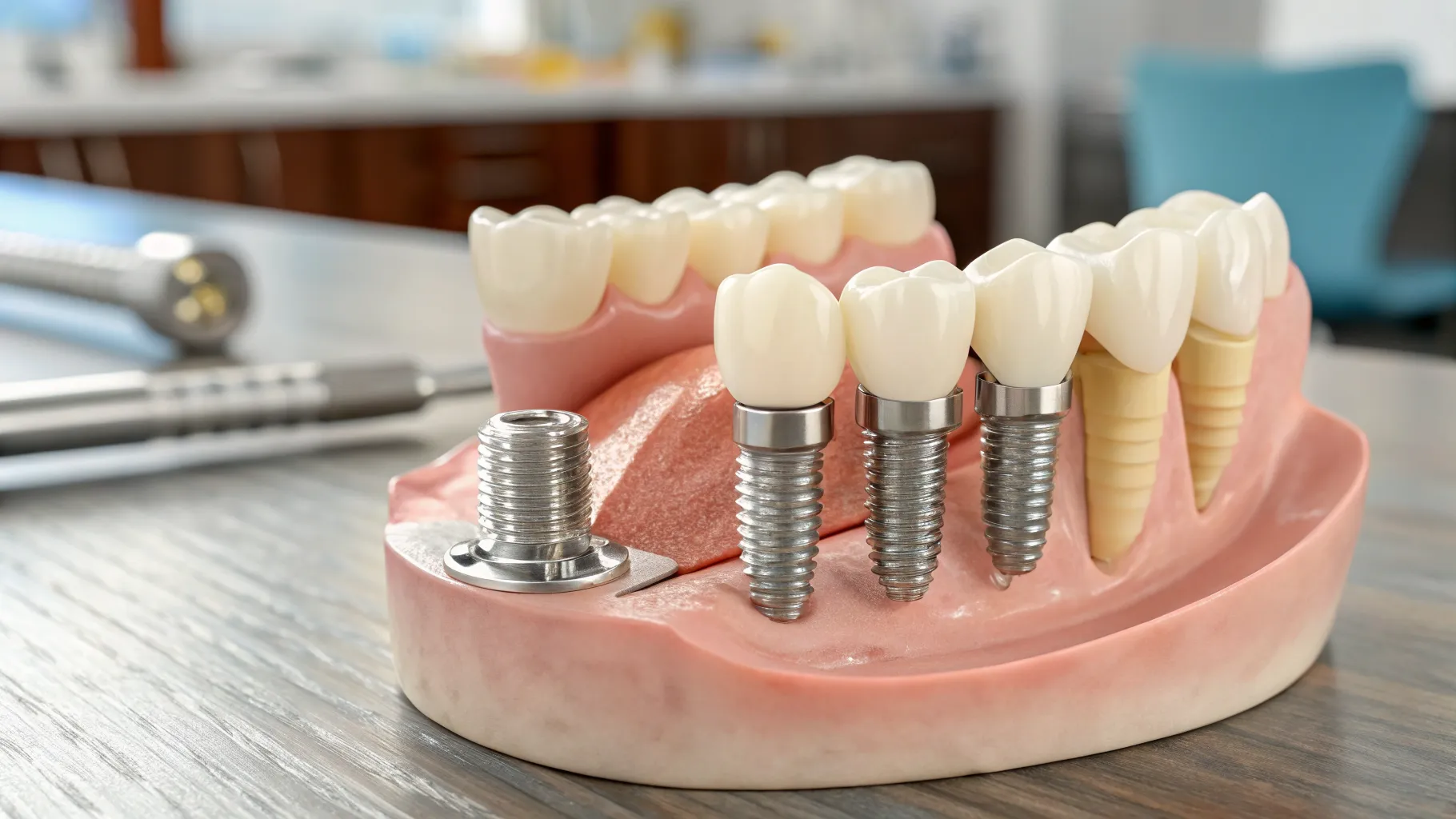
Factors Influencing the Cost of Screwless Dental Implants
The price tag associated with screwless dental implants is not monolithic; it's influenced by a variety of critical factors. Navigating these elements is crucial for seniors in the United States to accurately estimate their potential investment and plan accordingly within the broader United States dental care context.
Geographic Location and Clinic Reputation
Where you seek treatment significantly impacts the cost for seniors. Major metropolitan areas and regions with a higher cost of living typically have elevated prices for dental procedures compared to rural or less expensive urban centers. Furthermore, highly reputable clinics or those specializing exclusively in advanced implantology may command higher fees due to their expertise, state-of-the-art technology, and experienced staff dedicated to providing the best screwless dental implants.
Type of Implant and Materials Used
While the term 'screwless' refers to the abutment-to-crown connection, the implant itself is still typically secured into the jawbone. The materials used for the implant post (often titanium or zirconia), the abutment, and the final crown all contribute to the overall cost of screwless dental implants. Zirconia implants, for instance, are often more expensive than titanium due to their aesthetic appeal and biocompatibility. The brand and design of the implant system chosen by your dentist can also affect the final price, as some systems involve more sophisticated manufacturing and research.
Additional Procedures Required
Many seniors in the United States require preparatory procedures before receiving screwless dental implants. These can significantly add to the overall cost for seniors. Common examples include tooth extractions, bone grafting (if there's insufficient jawbone density to support the implant), sinus lifts, or gum disease treatment. Each of these procedures carries its own fee, and their necessity is determined by a thorough initial assessment, which highlights the importance of comprehensive diagnostics in planning implant procedures for elderly patients.
Financial Planning and Affordable Dental Solutions for Seniors
Managing the financial aspect of screwless dental implants requires careful planning, especially given the considerable cost for seniors. Fortunately, several avenues exist to make these vital implant procedures for elderly individuals more attainable within the United States dental care landscape.
- Dental Insurance and Discount Plans: While standard dental insurance often provides limited coverage for major procedures like implants, some premium plans or specialized implant-specific policies might cover a percentage of the screwless dental implants cost for seniors. Additionally, dental discount plans offer reduced rates on services from participating providers for an annual fee, potentially making affordable dental solutions more accessible.
- Financing Options and Payment Plans: Many dental practices offer in-house payment plans, allowing patients to spread the cost for seniors over several months or years. Third-party medical financing companies, such as CareCredit, provide specialized credit lines for healthcare expenses with various interest-free or low-interest options, helping to ease the immediate financial burden of implant procedures for elderly patients.
- Government Programs and Non-Profits: While direct government funding for dental implants is rare, some state-specific programs or non-profit organizations occasionally offer assistance for medically necessary dental treatments. Investigating local and national charities or dental assistance programs can reveal potential sources of support for seniors in the United States seeking affordable dental solutions.
- Dental Schools and Clinical Trials: University dental schools often provide services at a reduced rate, as treatments are performed by supervised students or residents. This can be a significantly more affordable option for screwless dental implants, though treatment timelines might be longer. Participating in clinical trials for new implant technologies can also offer reduced or free treatment, provided you meet the specific study criteria for implant procedures for elderly patients.
Comparing Screwless Dental Implants with Traditional Options
When considering tooth replacement options, seniors in the United States often weigh screwless dental implants against traditional screw-retained implants, bridges, or removable dentures. While the initial cost for seniors for screwless dental implants might be higher than some alternatives, it's crucial to assess the long-term value, durability, and quality of life improvements. Traditional dentures, for instance, are often the least expensive upfront but come with ongoing costs for adhesives, relining, and potential replacements, not to mention issues with stability, comfort, and impact on speech and eating. Traditional screw-retained implants are very similar to screwless in terms of stability and function, with the main difference being the method of attaching the crown to the abutment. Screwless dental implants offer potential advantages in ease of maintenance and replacement of the crown without disturbing the underlying implant. Over time, the superior stability, comfort, aesthetic appeal, and preservation of jawbone density offered by screwless dental implants often make them a more affordable dental solution when considering their extended lifespan and reduced need for subsequent interventions compared to less durable alternatives, thus representing a wise investment in long-term United States dental care.
Long-Term Benefits and Investment Value of Screwless Implants
Investing in screwless dental implants transcends mere aesthetics; it's an investment in overall health, confidence, and quality of life for seniors in the United States. Beyond the immediate restoration of a complete smile, these advanced prosthetics offer profound long-term benefits that justify the initial cost for seniors. They prevent bone loss in the jaw, maintaining facial structure and preventing a 'sunken' appearance often associated with tooth loss. Unlike dentures, screwless dental implants restore nearly natural chewing efficiency, allowing individuals to enjoy a wider range of foods, which is vital for proper nutrition. Their permanence and stability eliminate concerns about slippage or discomfort, providing a level of confidence in social interactions that removable prosthetics cannot match. Furthermore, with proper care, screwless dental implants can last a lifetime, making them a durable and ultimately an affordable dental solution for many, far outweighing the recurring costs and compromises associated with temporary alternatives in the context of comprehensive United States dental care.
Frequently Asked Questions
Are screwless dental implants suitable for all seniors in the United States?
While generally suitable for most older adults, candidacy for screwless dental implants depends on several factors, including overall health, bone density in the jaw, and absence of active gum disease. A thorough evaluation by a dental professional is essential to determine if these implant procedures for elderly patients are the right choice.
What is the typical lifespan of screwless dental implants?
With proper oral hygiene and regular dental check-ups, the implant post itself can last a lifetime. The crown attached to the screwless dental implants may need replacement after 10-15 years, similar to traditional crowns, due to normal wear and tear.
Can dental insurance help cover the cost for seniors for these implants?
Coverage for screwless dental implants cost for seniors varies significantly by insurance plan. Some plans may cover a portion of the surgical procedure or preparatory treatments, while others may offer no coverage at all for implants, considering them cosmetic. It's crucial to contact your insurance provider directly for detailed information regarding your specific policy.
References
- American Academy of Implant Dentistry
- Journal of Oral and Maxillofacial Surgery
- National Institute of Dental and Craniofacial Research
Authored by MyTrendSpot team