Top 10 Centers for Exceptional Cardiac Arrhythmia Care in the US
Facts:
- Cardiac arrhythmias affect millions globally.
- Early detection improves patient outcomes for heart rhythm disorders.
Navigating the Landscape of Advanced Cardiac Arrhythmia Care
Understanding where to find the best cardiac arrhythmia care is crucial for patients seeking effective arrhythmia treatment. The United States is home to many leading medical institutions, each offering specialized services for various heart rhythm disorders. This guide highlights top centers renowned for their expertise, innovative therapies, and comprehensive patient-centered approaches to advanced cardiac care.
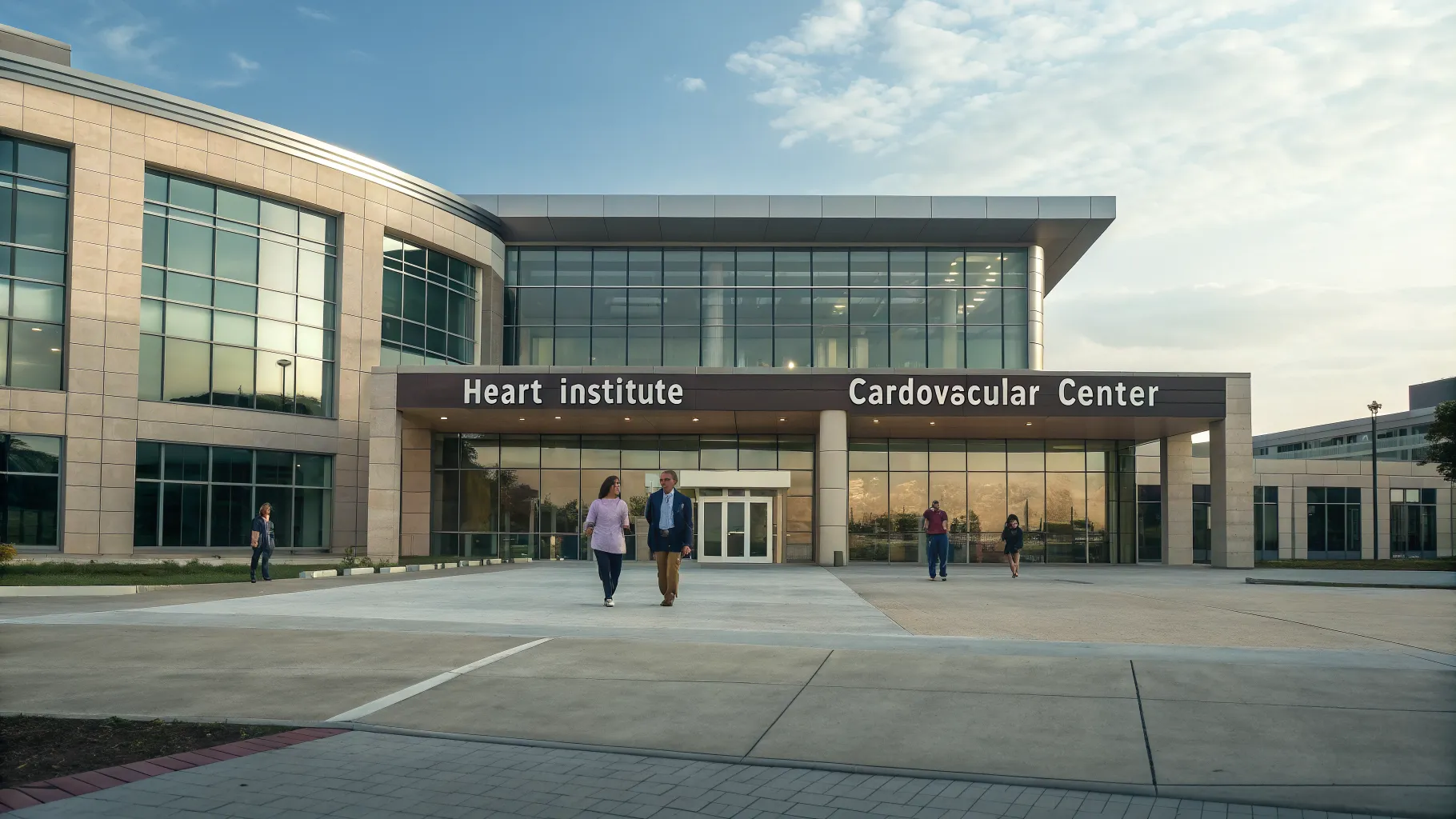
Unveiling the Premier Cardiac Arrhythmia Treatment Centers
For individuals grappling with heart rhythm disorders, selecting an appropriate medical facility is a decision of paramount importance. The institutions highlighted below have consistently demonstrated excellence in diagnostic precision, innovative therapeutic interventions, and patient support within the realm of cardiac arrhythmia care. Their multidisciplinary teams, cutting-edge technology, and commitment to research push the boundaries of what is possible in arrhythmia treatment, ensuring that patients receive the most effective and personalized care available. These centers are often at the forefront of clinical trials, providing access to therapies that are not yet widely available.
1. Cleveland Clinic (Cleveland, Ohio)
The Cleveland Clinic is consistently ranked among the top heart centers nationally, offering unparalleled expertise in cardiac arrhythmia care. Their Robert and Suzanne Tomsich Department of Cardiovascular Medicine boasts a robust electrophysiology section, specializing in complex ablations, device implantation (pacemakers, ICDs), and advanced pharmacological management for a wide spectrum of heart rhythm disorders. Their patient outcomes are among the best, attributed to their integrated care model and continuous pursuit of innovative arrhythmia treatment strategies. Patients benefit from a collaborative environment where cardiologists, electrophysiologists, and cardiac surgeons work seamlessly.
2. Mayo Clinic (Rochester, Minnesota)
With campuses across the nation, the Mayo Clinic in Rochester is a beacon for patients requiring specialized advanced cardiac care. Their electrophysiology team excels in diagnosing and treating all forms of arrhythmias, from common atrial fibrillation to rare genetic rhythm disorders. They are renowned for their personalized approach to arrhythmia treatment, often leveraging sophisticated imaging and mapping technologies to pinpoint the exact source of an arrhythmia. Their research arm continually contributes to the global understanding and treatment of cardiac arrhythmia care.
3. Massachusetts General Hospital (Boston, Massachusetts)
Massachusetts General Hospital, affiliated with Harvard Medical School, is a world-renowned institution providing exceptional electrophysiology centers and services. Their Cardiac Arrhythmia Service offers state-of-the-art diagnostic testing, including advanced electrophysiology studies, and a full range of therapeutic interventions. They are particularly recognized for their work in catheter ablation for complex arrhythmias and innovative approaches to managing device-related complications. Their commitment to research ensures patients have access to the latest advancements in cardiac arrhythmia care.
4. NewYork-Presbyterian Hospital-Columbia and Cornell (New York, New York)
This academic medical center offers comprehensive cardiac arrhythmia care across its two major campuses. The heart rhythm specialists here are leaders in both conventional and minimally invasive arrhythmia treatment, including advanced ablation techniques and lead extraction procedures. They provide a holistic approach to managing heart rhythm disorders, integrating lifestyle modifications, medication, and cutting-edge interventions. Their active participation in clinical trials makes them a destination for patients seeking innovative solutions.
5. Cedars-Sinai Medical Center (Los Angeles, California)
Cedars-Sinai Heart Institute is a leading center for cardiovascular care on the West Coast, with a strong focus on electrophysiology centers and services. Their team of experts provides highly specialized care for all types of arrhythmias, utilizing advanced diagnostics and therapeutic strategies, including robotic-assisted ablations. They are particularly noted for their research into novel device therapies and genetic predispositions to heart rhythm disorders, contributing significantly to the field of advanced cardiac care.
6. Hospitals of the University of Pennsylvania-Penn Presbyterian (Philadelphia, Pennsylvania)
Penn Medicine’s Heart and Vascular Center is a hub for specialized cardiac arrhythmia care. Their electrophysiologists are at the forefront of diagnosing and treating complex heart rhythm disorders using advanced mapping systems and personalized ablation strategies. They are also pioneers in leadless pacemaker technology and offer extensive programs for patients with inherited arrhythmias. Their integrated approach ensures comprehensive patient management from diagnosis through long-term follow-up for optimal arrhythmia treatment.
7. Stanford Health Care-Stanford Hospital (Stanford, California)
Stanford's Heart Institute provides cutting-edge electrophysiology centers and comprehensive services for patients with heart rhythm disorders. Known for its innovative spirit, Stanford’s team often develops and implements new technologies for mapping and ablating arrhythmias. They offer specialized programs for complex cases, including those requiring repeat procedures or presenting with multiple comorbidities, solidifying their reputation for advanced cardiac care and patient-specific arrhythmia treatment.
8. Brigham and Women's Hospital (Boston, Massachusetts)
Affiliated with Harvard Medical School, Brigham and Women's Hospital offers world-class cardiac arrhythmia care. Their Cardiac Arrhythmia Service is recognized for its expertise in managing atrial fibrillation, ventricular arrhythmias, and inherited heart rhythm conditions. They are active in clinical research, exploring new device technologies and pharmacological agents for more effective arrhythmia treatment. The hospital's commitment to patient education and support is also a distinguishing factor.
9. Northwestern Memorial Hospital (Chicago, Illinois)
Northwestern Medicine Bluhm Cardiovascular Institute is a top-tier provider of advanced cardiac care, including extensive services for heart rhythm disorders. Their electrophysiologists utilize the latest diagnostic tools and therapeutic interventions, from cryoablation to hybrid ablation procedures. They emphasize a patient-centered approach, developing individualized arrhythmia treatment plans tailored to each patient’s unique needs and lifestyle. Their research initiatives aim to improve long-term outcomes for patients with complex arrhythmias.
10. Duke University Hospital (Durham, North Carolina)
Duke Health is recognized for its excellence in cardiovascular medicine and provides exceptional cardiac arrhythmia care. Their electrophysiology program offers comprehensive services for all types of heart rhythm disorders, including specialized clinics for sudden cardiac arrest prevention and inherited arrhythmia syndromes. Duke’s commitment to research and education ensures that patients receive care based on the most current scientific evidence, positioning them as a leader in arrhythmia treatment and advanced cardiac care.
Comparing Approaches to Advanced Arrhythmia Management
When considering the various top electrophysiology centers, it becomes apparent that while all offer high-quality cardiac arrhythmia care, their specific strengths can vary. Some institutions, like the Cleveland Clinic and Mayo Clinic, are celebrated for their broad expertise and high volume of complex procedures, making them ideal for challenging cases. Others, such as Stanford and Massachusetts General, are often at the forefront of research and technological innovation, offering access to groundbreaking arrhythmia treatment options. Patients with rare heart rhythm disorders might find specialized programs at places like Duke or Penn, which have dedicated clinics for genetic conditions. Understanding these subtle differences can help patients and referring physicians make informed decisions, ensuring that the chosen center aligns perfectly with the patient's specific needs for advanced cardiac care.
Essential Steps for Seeking Expert Cardiac Arrhythmia Care
Consult with a Specialist:
Begin by consulting with a cardiologist or electrophysiologist who can provide an initial diagnosis and recommend appropriate arrhythmia treatment paths. They can help determine the severity and type of your heart rhythm disorders and whether specialized cardiac arrhythmia care is necessary.
Research Top Electrophysiology Centers:
Thoroughly research electrophysiology centers known for their expertise in your specific condition. Look at their patient outcomes, physician experience, and available technologies for advanced cardiac care. Reviews and rankings, while helpful, should be considered alongside individual patient needs.
Consider a Second Opinion:
For complex or uncertain diagnoses, obtaining a second opinion from another leading institution can provide clarity and peace of mind regarding your chosen arrhythmia treatment. This can also reveal alternative approaches to cardiac arrhythmia care you might not have considered.
Evaluate Treatment Options:
Discuss all potential arrhythmia treatment options with your medical team, including medication, lifestyle changes, catheter ablation, or device implantation. Understand the pros, cons, and potential risks associated with each approach to managing your heart rhythm disorders.
Plan for Ongoing Care:
Effective cardiac arrhythmia care is often a long-term commitment. Ensure the chosen center offers comprehensive follow-up care, including regular check-ups, device monitoring, and access to support services for living with heart rhythm disorders. This continuous support is vital for maintaining advanced cardiac care and improving quality of life.
Frequently Asked Questions
What are common symptoms of heart rhythm disorders?
Common symptoms of heart rhythm disorders include palpitations, dizziness, shortness of breath, chest pain, and fatigue. These symptoms can vary in intensity and frequency, and immediate medical evaluation is crucial for proper diagnosis and arrhythmia treatment to prevent serious complications.
How is cardiac arrhythmia care diagnosed?
Diagnosis for cardiac arrhythmia care typically involves an electrocardiogram (ECG), Holter monitoring, event recorders, or implantable loop recorders. Electrophysiology studies (EPS) may also be performed to precisely map the heart's electrical activity and guide arrhythmia treatment strategies. These tests help identify the specific type and origin of the heart rhythm disorders.
What is catheter ablation as an arrhythmia treatment?
Catheter ablation is a minimally invasive procedure used in arrhythmia treatment to correct irregular heart rhythms. It involves threading thin, flexible catheters through blood vessels to the heart, where radiofrequency energy or cryotherapy is used to destroy small areas of heart tissue causing the heart rhythm disorders. This procedure is a cornerstone of modern cardiac arrhythmia care for many patients.
When should I consider visiting specialized electrophysiology centers?
You should consider visiting specialized electrophysiology centers if you have been diagnosed with complex heart rhythm disorders, if your current arrhythmia treatment is ineffective, or if you are seeking advanced cardiac care options. These centers offer specialized expertise, advanced technologies, and multidisciplinary teams that can provide the most comprehensive cardiac arrhythmia care.
References
- American Heart Association (AHA)
- Heart Rhythm Society (HRS)
- Cardiology academic journals
- National Institutes of Health (NIH)
- Published hospital patient outcome reports
Authored by MyTrendSpot team