Discover the Top 15 Cancer Research Centers in the United States for Breakthrough Cancer Therapies
Facts:
- Cancer is a leading cause of death worldwide.
- Immunotherapy advancements for cancer treatment show promising results for patients.
Navigating Excellence: Identifying Premier Cancer Research Centers in the U.S.
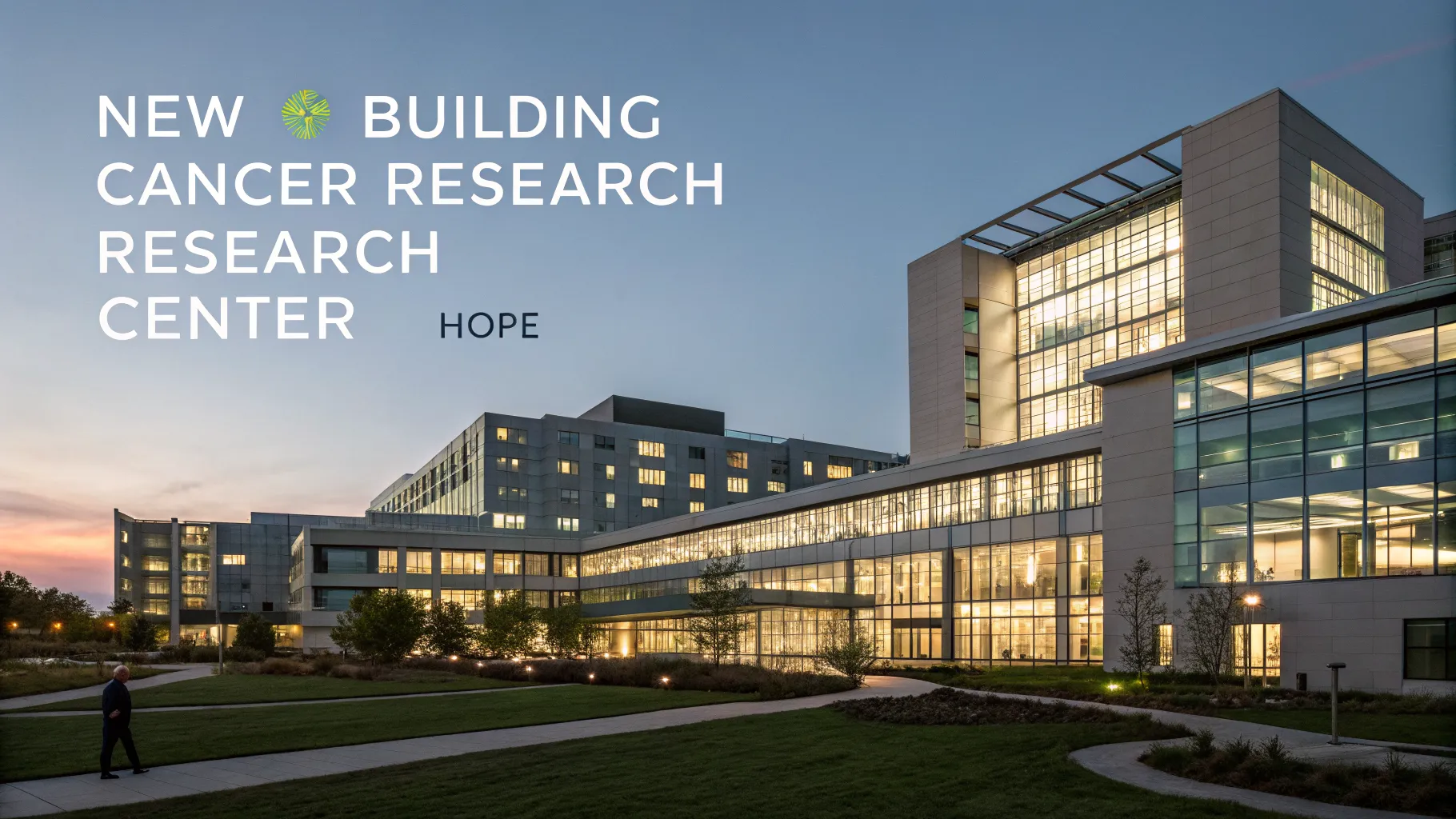
The landscape of cancer treatment advancements is continuously evolving, offering new hope and innovative solutions for patients globally. In the United States, a select group of cancer research centers stands at the forefront of this battle, dedicating vast resources and brilliant minds to unraveling the complexities of cancer. These institutions are not only pushing the boundaries of scientific discovery through oncology research breakthroughs but are also translating these findings into clinical practice, providing patients with access to cutting-edge therapies. Understanding which centers lead the charge in this critical field is essential for anyone seeking the most advanced care or interested in the future of cancer medicine.
The Forefront of Discovery: Ranking the Top 15 Cancer Research Centers
1. MD Anderson Cancer Center (Houston, Texas)
Renowned globally, MD Anderson is a beacon of cancer treatment advancements, attracting patients and researchers from around the world. Its comprehensive approach spans from basic science to clinical trials, focusing on personalized medicine and innovative oncology research breakthroughs. The center boasts a vast array of specialized programs, making it a pivotal institution for developing breakthrough cancer therapies across various cancer types.
2. Memorial Sloan Kettering Cancer Center (New York, New York)
As one of the oldest and largest private cancer centers in the world, Memorial Sloan Kettering is synonymous with excellence in patient care and scientific discovery. Their commitment to oncology research is evident in their extensive clinical trial portfolio and their pivotal role in developing targeted therapies and immunotherapies, which significantly contribute to cancer treatment advancements.
3. Dana-Farber Cancer Institute (Boston, Massachusetts)
Affiliated with Harvard Medical School, Dana-Farber is a leading force in cancer research and patient care. Its collaborative environment fosters rapid translation of scientific discoveries into new cancer treatments. Dana-Farber’s emphasis on understanding cancer at a molecular level has led to numerous oncology research breakthroughs, impacting global standards of care.
4. Mayo Clinic Cancer Center (Rochester, Minnesota; Phoenix/Scottsdale, Arizona; Jacksonville, Florida)
With a multi-campus presence, the Mayo Clinic Cancer Center integrates research with patient care to provide comprehensive cancer treatment. Their focus on individualized medicine and leveraging big data for predictive analytics positions them as one of the leading cancer institutions for future breakthrough cancer therapies.
5. Johns Hopkins Kimmel Cancer Center (Baltimore, Maryland)
Pioneers in many areas of cancer research, including the discovery of cancer stem cells and the development of epigenetic therapies, Johns Hopkins Kimmel Cancer Center remains at the forefront. Their innovative approaches to oncology research continue to shape modern cancer treatment, offering hope through groundbreaking discoveries.
6. Abramson Cancer Center at the University of Pennsylvania (Philadelphia, Pennsylvania)
A national leader in cancer care, research, and education, the Abramson Cancer Center is recognized for its work in gene therapy and immunotherapy. It actively engages in multidisciplinary oncology research to accelerate the development of new cancer treatment advancements, pushing the boundaries of what is possible in precision medicine.
7. Cleveland Clinic Cancer Center (Cleveland, Ohio)
The Cleveland Clinic Cancer Center offers a multidisciplinary approach to patient care, integrating various specialties to provide comprehensive cancer treatment. Its robust research programs cover a wide spectrum of cancer biology, aiming to generate oncology research breakthroughs that improve patient outcomes and extend lives.
8. UCSF Helen Diller Family Comprehensive Cancer Center (San Francisco, California)
Known for its innovative research in areas such as neuro-oncology, breast cancer, and precision medicine, UCSF Helen Diller is a hub of scientific discovery. The center is instrumental in translating laboratory findings into breakthrough cancer therapies, making significant contributions to cancer treatment advancements.
9. Siteman Cancer Center at Barnes-Jewish Hospital and Washington University School of Medicine (St. Louis, Missouri)
Siteman is dedicated to preventing cancer, providing optimal cancer treatment, and offering support services. Their strong research programs, particularly in genomics and personalized medicine, are key to developing new oncology research breakthroughs and improving the efficacy of existing therapies.
10. Seattle Cancer Care Alliance (Seattle, Washington)
A partnership of Fred Hutchinson Cancer Research Center, Seattle Children's, and UW Medicine, SCCA focuses on integrated patient care and research. This alliance is a powerhouse for cancer research, particularly in bone marrow transplantation and immunotherapy, driving breakthrough cancer therapies.
11. Robert H. Lurie Comprehensive Cancer Center of Northwestern University (Chicago, Illinois)
Lurie Cancer Center excels in translating basic science discoveries into improved clinical care. Their emphasis on interdisciplinary oncology research fosters a rich environment for developing novel cancer treatment advancements, addressing complex challenges in oncology.
12. City of Hope Comprehensive Cancer Center (Duarte, California)
City of Hope is a world leader in diabetes research and cancer treatment, with a strong focus on stem cell transplants and CAR T-cell therapy. Their commitment to innovative oncology research has led to significant contributions to the field of breakthrough cancer therapies, offering new hope for many patients.
13. Huntsman Cancer Institute at the University of Utah (Salt Lake City, Utah)
Huntsman Cancer Institute combines state-of-the-art research with compassionate patient care. Their unique focus on inherited cancers and population-based research provides critical insights into cancer prevention and effective cancer treatment advancements, making them one of the leading cancer institutions.
14. Sylvester Comprehensive Cancer Center at the University of Miami (Miami, Florida)
As South Florida’s only NCI-designated cancer center, Sylvester is dedicated to providing the most advanced cancer treatment through innovative research. Their robust clinical trials program and focus on unique populations contribute significantly to global oncology research breakthroughs.
15. H. Lee Moffitt Cancer Center & Research Institute (Tampa, Florida)
Moffitt is a leading institution in cancer prevention and research, known for its personalized medicine approach. Their translational oncology research efforts are geared towards delivering targeted and effective breakthrough cancer therapies, improving outcomes for patients with various malignancies.
Distinguishing Features of Leading Cancer Institutions
While all leading cancer institutions are committed to advancing cancer treatment, their specific strengths and research focuses can vary significantly. Some centers excel in particular areas like immunotherapy or genetic sequencing, while others may have specialized programs for rare cancers. For instance, MD Anderson is often lauded for its sheer volume of clinical trials and comprehensive oncology research, whereas institutions like City of Hope are pioneers in specific cell therapies. This diversity ensures a broad spectrum of research and care options, allowing patients to find centers best suited to their specific needs for breakthrough cancer therapies. The integration of basic science with clinical application remains a common thread, driving continuous innovation in cancer treatment advancements across all top-tier facilities.
Choosing the Right Cancer Research Center for Your Needs
Evaluate Specialization: Consider if the center specializes in your specific cancer type or a particular cancer treatment approach you are interested in, such as immunotherapy or targeted therapy. Research their track record in oncology research breakthroughs relevant to your condition.
Assess Clinical Trials Access: Look for centers with active clinical trial programs offering access to experimental breakthrough cancer therapies that might not yet be widely available. This is crucial for accessing the latest cancer treatment advancements.
Consider Multidisciplinary Care: Opt for institutions that offer a team-based approach, involving oncologists, surgeons, radiation oncologists, and supportive care specialists. A comprehensive team often leads to more holistic cancer treatment plans.
Review Patient Support Services: Beyond medical care, assess the availability of support services like nutritional counseling, psychological support, and patient navigators. These resources are vital for overall well-being during cancer treatment.
Geographic and Logistical Factors: While quality of care is paramount, also consider the practical aspects of travel, accommodation, and support systems for you and your family during your time at one of these leading cancer institutions.
Frequently Asked Questions
What makes these the top cancer research centers?
These cancer research centers are distinguished by their comprehensive approach to patient care, significant contributions to oncology research breakthroughs, high volume of clinical trials, and the integration of advanced technologies and specialized expertise. They consistently publish groundbreaking studies and lead in developing new cancer treatment advancements.
Are all leading cancer institutions part of a university?
Many of the leading cancer institutions are indeed affiliated with major universities, which provides them with access to broader research resources, medical schools, and a continuous stream of talent. However, some are independent research institutes or partnerships, all committed to advancing cancer treatment.
How can I get access to breakthrough cancer therapies?
Access to breakthrough cancer therapies often involves participating in clinical trials, which are typically offered at major cancer research centers. Consulting with an oncologist specializing in your cancer type is the best first step to explore eligibility for such therapies and discuss the latest cancer treatment advancements.
References
- National Cancer Institute (NCI) Official Website
- American Cancer Society Publications
- World Health Organization (WHO) Cancer Reports
Authored by MyTrendSpot team