Top 15 Cancer Treatment Centers in California for Premier Oncology Care
Facts:
- California leads in groundbreaking cancer research initiatives.
- Demand for advanced, patient-centric oncology care in California is steadily rising.
Navigating the Landscape of Premier Cancer Treatment in California
For individuals facing a cancer diagnosis, access to exceptional medical care is paramount. California, known for its innovation and advanced healthcare infrastructure, is home to some of the most distinguished cancer treatment centers in California. These institutions are at the forefront of medical breakthroughs, offering cutting-edge therapies and compassionate oncology care that set global benchmarks. This comprehensive guide delves into the leading facilities across the state, highlighting their specialized services, research contributions, and patient-centric approaches, ensuring you understand the breadth of options available for specialized cancer therapies.
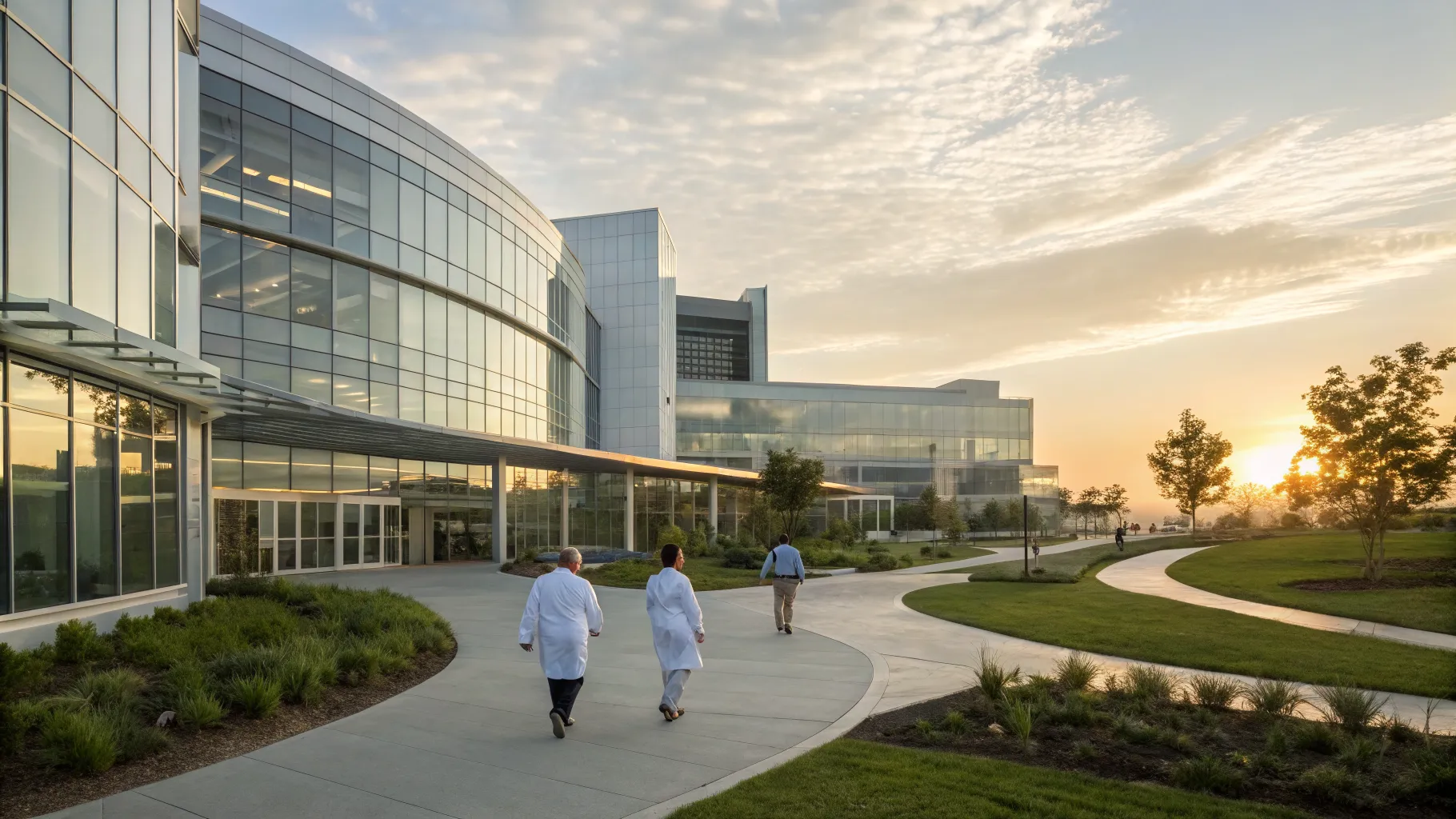
Exploring California's Top 15 Cancer Treatment Centers
California's commitment to advancing cancer treatment is reflected in its world-class institutions. These top cancer hospitals offer a diverse range of services, from early detection to advanced therapeutic interventions and survivorship programs. Each center distinguishes itself through a unique blend of expertise, technology, and patient support, emphasizing a
1. UCSF Helen Diller Family Comprehensive Cancer Center (San Francisco)
Renowned for its groundbreaking research and personalized medicine, UCSF Helen Diller offers comprehensive care across various cancer types. Their focus on innovative clinical trials and a team-based approach ensures patients receive the most advanced and tailored specialized cancer therapies. They are a beacon of hope for complex diagnoses, integrating genetic profiling into their treatment plans for truly personalized oncology care.
2. City of Hope Comprehensive Cancer Center (Duarte)
A national leader in cancer research and treatment, City of Hope specializes in bone marrow transplantation, genetics, and immunotherapy. Their integrated model combines scientific discovery with patient care, providing state-of-the-art treatments for challenging cancers. This facility consistently pushes the boundaries of cancer research, offering access to novel therapies.
3. Stanford Cancer Institute (Stanford)
Part of Stanford Medicine, this institute excels in precision medicine, radiation oncology, and surgical techniques. They leverage cutting-edge technology and a collaborative research environment to deliver highly effective treatments. Stanford's strong emphasis on translational research quickly brings new scientific discoveries into clinical practice, making it one of the premier cancer treatment centers in California.
4. UCLA Jonsson Comprehensive Cancer Center (Los Angeles)
With a legacy of significant contributions to cancer biology and therapy, UCLA Jonsson provides a wide array of services, including immunotherapy, targeted therapies, and advanced diagnostics. Their commitment to community outreach and patient education complements their world-class medical care, solidifying their reputation for exceptional oncology care.
5. UC San Diego Moores Cancer Center (La Jolla)
As the only NCI-designated Comprehensive Cancer Center in San Diego, Moores Cancer Center offers a unique blend of research and clinical excellence. They are leaders in various subspecialties, providing individualized treatment plans informed by the latest scientific findings. Their integrated approach addresses all facets of cancer, from prevention to survivorship, making it a key hub for advanced cancer research.
6. Cedars-Sinai Cancer Center (Los Angeles)
Cedars-Sinai is recognized for its excellence in clinical care, advanced surgical techniques, and robust clinical trial program. They offer specialized programs for a wide range of cancers, emphasizing innovative diagnostics and therapeutic approaches. Their patient support services are comprehensive, ensuring holistic oncology care for every individual.
7. USC Norris Comprehensive Cancer Center (Los Angeles)
Pioneering in cancer prevention, detection, and treatment, USC Norris has a strong focus on translational research and brings new treatments from the lab to the patient quickly. Their expertise spans various cancer types, offering state-of-the-art care in a supportive environment. This center is instrumental in advancing specialized cancer therapies.
8. Hoag Family Cancer Institute (Newport Beach)
Hoag offers a personalized approach to cancer care with advanced technology and a compassionate team. They provide comprehensive services, including genetic counseling, imaging, and survivorship programs, serving the Orange County community with exceptional standards. Their patient-first philosophy defines their delivery of comprehensive oncology care.
9. John Wayne Cancer Institute at Providence Saint John's Health Center (Santa Monica)
Dedicated to the fight against cancer, this institute focuses on innovative research and advanced surgical techniques, particularly in melanoma, breast, and gastrointestinal cancers. Their commitment to discovery and application makes them a leader in cancer research and treatment, offering a distinctive approach to complex cases.
10. MemorialCare Todd Cancer Institute (Long Beach)
Providing cutting-edge cancer services through a multidisciplinary team, the Todd Cancer Institute focuses on advanced radiation therapy, chemotherapy, and surgical oncology. They prioritize patient education and support throughout the entire treatment journey, ensuring a comfortable and effective experience at one of the top cancer treatment centers in California.
11. UC Davis Comprehensive Cancer Center (Sacramento)
Serving a vast region of Northern California, UC Davis offers a broad spectrum of services, from cancer prevention to sophisticated treatments and clinical trials. Their integrated approach incorporates the latest scientific discoveries into patient care, making them a cornerstone for regional oncology care and innovation.
12. St. Jude Medical Center Cancer Institute (Fullerton)
St. Jude provides comprehensive cancer services with a strong emphasis on personalized medicine and advanced technology. Their team of specialists offers integrated care, including genetic counseling, radiation therapy, and surgical options, all within a supportive community hospital setting, making it a reliable choice for specialized cancer therapies.
13. Eisenhower Lucy Curci Cancer Center (Rancho Mirage)
This state-of-the-art facility offers advanced cancer treatment in the Coachella Valley, focusing on a holistic approach to patient care. They provide innovative treatments, extensive support services, and active participation in clinical trials, ensuring access to cutting-edge oncology care close to home.
14. Scripps MD Anderson Cancer Center (San Diego)
A unique collaboration bringing the expertise of MD Anderson Cancer Center to San Diego, offering world-class cancer care closer to home. They provide comprehensive, evidence-based treatments across all cancer types, integrating advanced research and clinical excellence. This partnership ensures access to the highest standards of cancer treatment centers in California.
15. Sutter Health Institute for Cancer Care (Northern California)
Sutter Health's network provides comprehensive, integrated cancer services across Northern California, focusing on accessible, high-quality care. They emphasize a personalized approach, utilizing advanced therapies and technology to achieve the best outcomes for their patients. Their widespread presence makes them a vital part of regional oncology care.
Choosing the Right Oncology Care: A Comparative Analysis
Selecting the best cancer treatment centers in California requires careful consideration of several factors beyond just geographical proximity. Patients should evaluate institutions based on their specialization, access to clinical trials, availability of multidisciplinary teams, and supportive care services. Some centers excel in particular types of cancer, such as neuro-oncology or hematological malignancies, while others offer a broader range of general oncology services. The presence of robust cancer research programs often correlates with access to the newest treatments and innovative approaches. Moreover, the integration of patient support, including nutritional counseling, psychological support, and rehabilitation services, can significantly impact the overall treatment experience and outcomes. Understanding these nuances helps in making an informed decision about where to seek specialized cancer therapies, aligning the center's strengths with individual needs and preferences.
Practical Steps for Accessing Premier Cancer Treatment in California
Navigating the journey to finding the best oncology care can be overwhelming. Here are actionable steps to streamline the process and ensure you connect with the most suitable of the top cancer hospitals:
- Consult Your Primary Care Physician: Begin by discussing your diagnosis with your primary care doctor. They can provide initial guidance, explain preliminary findings, and often offer referrals to prominent cancer treatment centers in California based on their network and your specific needs. This initial step is crucial for establishing a baseline understanding.
- Seek Second Opinions and Specialist Referrals: Do not hesitate to obtain second opinions from specialists. Many leading institutions offer expert consultations that can provide clarity on your diagnosis and potential treatment paths, especially for rare or complex cancers. This ensures you explore all available options for specialized cancer therapies.
- Research Center Accreditations and Expertise: Investigate whether prospective centers are NCI-designated (National Cancer Institute) or have other prestigious accreditations. Research their specific expertise in your type of cancer, the success rates of their specialized cancer therapies, and their contributions to cancer research. Websites of centers often detail their areas of excellence.
- Evaluate Treatment Philosophies and Support Services: Consider the center's approach to care. Do they emphasize a multidisciplinary team approach? What supportive care services (e.g., genetic counseling, palliative care, psycho-social support) are available? A holistic approach to oncology care can greatly enhance your quality of life during treatment.
- Consider Logistics and Financials: Proximity, transportation, and accommodation options are practical considerations. Equally important is understanding insurance coverage and financial assistance programs offered by the various cancer treatment centers in California. Clear communication with patient navigators or financial counselors can alleviate significant stress.
Frequently Asked Questions
What defines the best cancer treatment centers in California?
The best cancer treatment centers in California are typically defined by a combination of factors including NCI designation, advanced research programs, access to a wide range of clinical trials, a multidisciplinary team approach to patient care, cutting-edge technology for diagnostics and treatment, and comprehensive patient support services that cater to the physical and emotional needs of individuals and their families. Their commitment to innovative specialized cancer therapies also plays a crucial role.
How important is a multidisciplinary approach in oncology care?
A multidisciplinary approach in oncology care is critically important as it brings together a team of specialists—including oncologists, surgeons, radiation therapists, pathologists, radiologists, and supportive care professionals—to collaboratively discuss and develop a comprehensive treatment plan for each patient. This ensures that every aspect of the cancer is considered, leading to more personalized, effective, and holistic specialized cancer therapies and better outcomes.
Are clinical trials readily available at California's top cancer hospitals?
Yes, many of California's top cancer hospitals, particularly those with NCI designation and robust cancer research programs, offer extensive access to clinical trials. These trials are crucial for advancing cancer medicine and often provide patients with access to innovative treatments not yet widely available. Patients should discuss eligibility and potential benefits with their oncology team to explore these advanced options.
References
- National Cancer Institute Official Website
- American Cancer Society Publications
- Leading Oncology Journals and Research Articles
- California Department of Public Health Resources
- Medical Association Guidelines for Cancer Treatment
Authored by MyTrendSpot team