Leading Cardiac Ablation Centers: Top 15 Facilities for Advanced Arrhythmia Treatment
Facts:
- Cardiac ablation is a highly effective procedure for arrhythmia treatment.
- Demand for advanced arrhythmia treatment is growing for an aging population.
Navigating Excellence: Identifying Premier Cardiac Ablation Centers
Choosing the right facility for a complex procedure like cardiac ablation is paramount for patients experiencing heart rhythm disorders. This comprehensive guide highlights the top 15 cardiac ablation centers in the United States, renowned for their cutting-edge technology, experienced medical teams, and exceptional patient outcomes. These institutions are at the forefront of innovation, consistently pushing the boundaries of what's possible in arrhythmia treatment and dedicated to improving the lives of individuals grappling with various cardiac electrical abnormalities, including those requiring advanced atrial fibrillation ablation techniques.
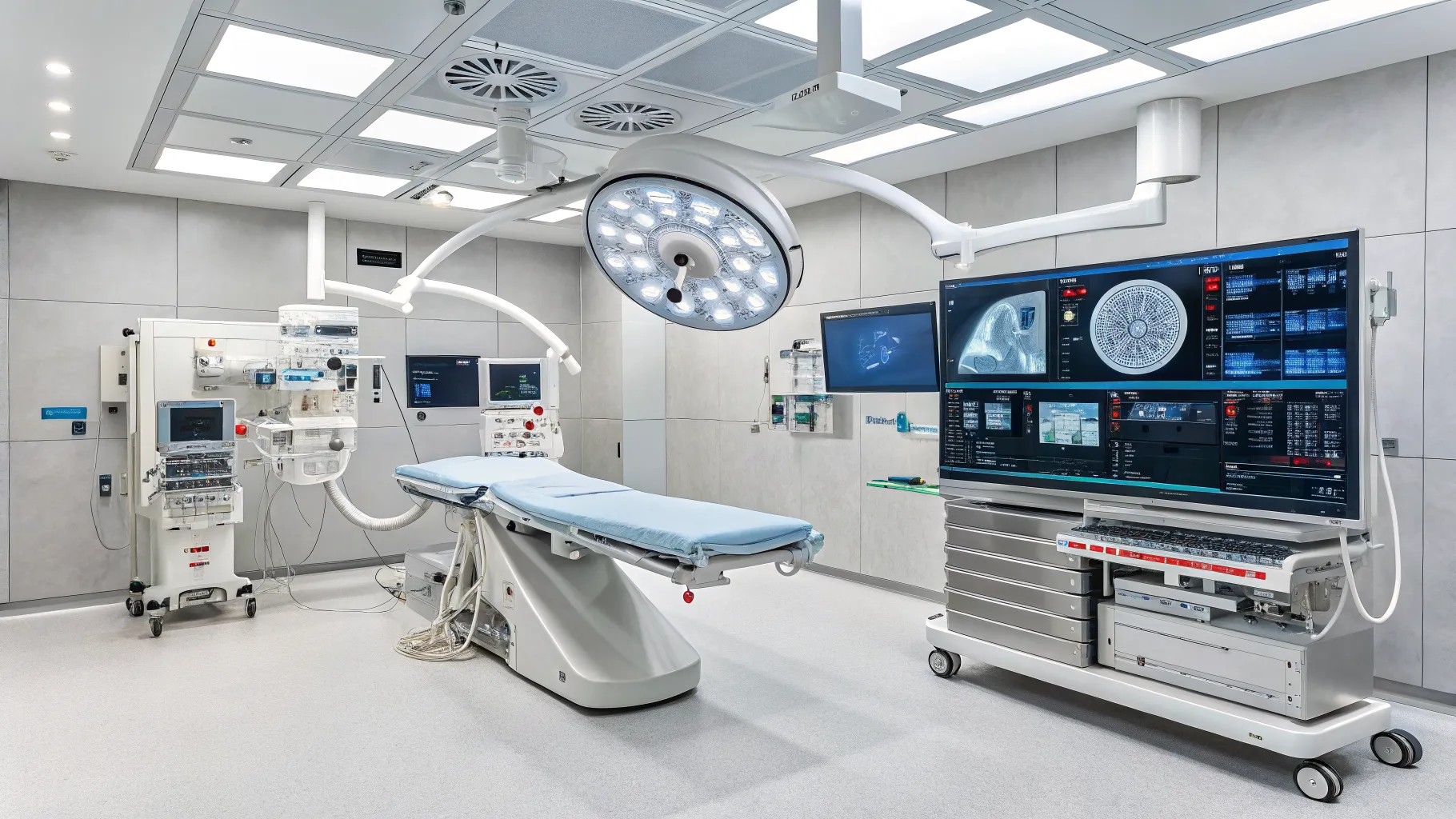
Understanding Cardiac Ablation and Its Importance
Cardiac ablation is a minimally invasive procedure designed to correct irregular heart rhythms, or arrhythmias. It involves carefully creating small scars in the heart tissue using heat (radiofrequency) or cold (cryoablation) energy to block abnormal electrical signals. This procedure is a critical intervention for conditions such as atrial fibrillation, supraventricular tachycardia, and ventricular tachycardia, which can significantly impair quality of life and pose serious health risks. The success of an ablation procedure is heavily dependent on the expertise of the electrophysiologist and the sophistication of the equipment available in the electrophysiology labs. Patients seeking the highest chances of success are often advised to consider facilities recognized as leading cardiac ablation centers due to their volume of procedures and specialized care models.
Criteria for Selecting Top Cardiac Ablation Centers
Identifying the leading cardiac ablation centers involves evaluating several key factors that contribute to superior patient care and outcomes. These criteria often include a high volume of procedures performed annually, which indicates extensive experience among staff and physicians. Furthermore, a strong emphasis on clinical research and the adoption of the latest technologies, such as 3D mapping systems and robotic navigation, are crucial indicators of a top-tier center. Exceptional centers also boast multidisciplinary teams, including electrophysiologists, cardiac surgeons, imaging specialists, and nurses, all working collaboratively. Patient outcome data, including complication rates and long-term success rates for various heart rhythm disorders, plays a significant role in determining a center's standing. Specialized programs for complex cases, such as repeat ablations or patients with structural heart disease, further distinguish premier facilities.
The Top 15 Cardiac Ablation Centers in the United States
1. High-Volume Academic Medical Centers
These institutions are often associated with major universities and perform a vast number of cardiac ablation procedures annually, offering extensive experience in diverse arrhythmia treatment protocols. Their electrophysiology labs are equipped with cutting-edge technology, and they frequently participate in groundbreaking clinical trials, advancing the field of heart rhythm disorders.
2. Specialized Electrophysiology Institutes
Dedicated solely to the study and treatment of electrical heart conditions, these centers house world-renowned experts in atrial fibrillation ablation and other complex procedures. Their focused approach often leads to higher success rates and specialized care pathways.
3. Comprehensive Heart & Vascular Hospitals
Part of larger hospital systems, these centers integrate cardiac ablation with other cardiovascular services, providing holistic care for patients with co-existing heart conditions. They excel in managing complex cases and offering a full spectrum of arrhythmia treatment options.
4. Research-Driven Cardiac Facilities
Known for their significant contributions to cardiovascular research, these cardiac ablation centers are often the first to implement new techniques and technologies. Patients benefit from access to innovative therapies that may not yet be widely available, particularly for challenging heart rhythm disorders.
5. Centers for Advanced Atrial Fibrillation Treatment
These institutions have developed specialized programs and protocols specifically for atrial fibrillation ablation, recognizing the prevalence and complexity of this particular arrhythmia. They boast high success rates and patient satisfaction in AFib management.
6. Pediatric Electrophysiology Excellence
While the main topic focuses on general centers, some of the top cardiac ablation centers also have world-class pediatric divisions, providing highly specialized care for children with congenital heart rhythm disorders. Their expertise extends to delicate procedures on young hearts.
7. Robotic-Assisted Ablation Leaders
Pioneering the use of robotic technology for cardiac ablation, these centers offer enhanced precision and reduced radiation exposure. Their electrophysiology labs are outfitted with advanced robotic systems, representing the future of arrhythmia treatment.
8. Cryoablation Innovation Hubs
Specializing in cryoablation techniques, these facilities utilize extreme cold to create scar tissue, often preferred for certain types of heart rhythm disorders. They are leaders in developing and refining these specific ablation methods within their cardiac ablation centers.
9. Leaders in VT Ablation for Structural Heart Disease
For patients with ventricular tachycardia (VT) often associated with underlying structural heart disease, these centers have specialized expertise and experience, offering complex and often life-saving arrhythmia treatment strategies.
10. High-Volume Complex Re-Ablation Programs
When initial ablation procedures are unsuccessful, these centers specialize in complex re-ablations, tackling challenging anatomical variations and persistent heart rhythm disorders with advanced mapping and intervention techniques.
11. Integrated Imaging & EP Centers
These cardiac ablation centers seamlessly integrate advanced cardiac imaging (MRI, CT) with electrophysiology, allowing for highly precise procedural planning and execution, crucial for optimal outcomes in atrial fibrillation ablation.
12. Patient-Centric Care Models
Beyond technology, these facilities are recognized for their exceptional patient support, education, and follow-up care. They prioritize shared decision-making and ensure patients feel fully informed throughout their arrhythmia treatment journey.
13. Telemedicine & Remote Monitoring Innovators
Some leading electrophysiology labs are also at the forefront of telemedicine, offering remote monitoring and virtual consultations, improving access to expert care for patients with heart rhythm disorders, particularly post-ablation.
14. International Referral Centers
Attracting patients from across the globe, these cardiac ablation centers are recognized for their unparalleled expertise in diagnosing and treating the most challenging heart rhythm disorders, including those requiring highly specialized arrhythmia treatment.
15. Hybrid Operating Room Pioneers
These centers operate state-of-the-art hybrid operating rooms that combine the capabilities of a catheterization lab with a surgical suite, enabling seamless transitions between minimally invasive and open surgical approaches when necessary for complex atrial fibrillation ablation or other procedures.
Comparing Innovative Approaches in Heart Rhythm Disorder Care
The landscape of arrhythmia treatment is continuously evolving, with leading cardiac ablation centers often pioneering different innovative approaches. Some centers might specialize in pulsed field ablation (PFA), a non-thermal technology gaining traction for its tissue-specific effects, particularly in atrial fibrillation ablation. Others may excel in advanced mapping techniques using sophisticated electrophysiology labs to identify precise ablation targets for complex heart rhythm disorders. The choice between radiofrequency, cryoablation, or newer modalities can significantly impact patient outcomes. A thorough comparison reveals that while all top centers offer high-quality care, their specific strengths in technology, research, and procedural volume for particular arrhythmias can vary, making personalized research essential for patients and referring physicians.
Choosing the Right Center for Your Heart Rhythm Disorder
- Consult with Multiple Electrophysiologists: Seek opinions from specialists at different cardiac ablation centers to understand varying approaches to your specific heart rhythm disorder and treatment options.
- Review Outcome Data: Inquire about the center's success rates for procedures like atrial fibrillation ablation and their complication rates. Top-tier electrophysiology labs are typically transparent with this information.
- Consider Geographic Proximity and Support: While travel for the best care is often warranted, consider the logistics of follow-up care and the support system available to you during your recovery from arrhythmia treatment.
- Understand Insurance Coverage: Confirm that the chosen cardiac ablation centers and their specialists are covered by your health insurance plan to avoid unexpected financial burdens.
- Evaluate the Team's Experience: A high-volume center with a dedicated, multidisciplinary team specializing in heart rhythm disorders often translates to superior expertise and better patient management.
Frequently Asked Questions
What is cardiac ablation used for?
Cardiac ablation is primarily used to treat various heart rhythm disorders, including atrial fibrillation, supraventricular tachycardia (SVT), and ventricular tachycardia (VT), by correcting the abnormal electrical pathways causing irregular heartbeats.
How do I find the best cardiac ablation centers?
To find the best cardiac ablation centers, research institutions with high procedure volumes, strong outcome data, advanced electrophysiology labs, and specialists known for their expertise in arrhythmia treatment. Consulting with your cardiologist for referrals is also crucial.
Is atrial fibrillation ablation always effective?
While atrial fibrillation ablation is highly effective, especially in symptomatic patients, its success rates can vary depending on the type and duration of AFib, patient comorbidities, and the expertise of the cardiac ablation centers. Many patients achieve significant improvement or complete resolution after one or more procedures.
References
- American Heart Association Guidelines on Arrhythmia Management.
- Journal of Cardiovascular Electrophysiology Studies.
- Clinical Outcomes Data from Leading Electrophysiology Labs.
- Patient Resources from Major Cardiac Care Institutions.
Authored by MyTrendSpot team