Exploring the Top 15 Hubs for Robotic-Assisted Surgery in the United States
Fast Facts:
- Minimally invasive procedures are rapidly expanding.
- Robotic-assisted surgery improves patient outcomes for many conditions.
Advancing Healthcare Through Robotic-Assisted Surgery Innovation
The landscape of modern medicine is continually being reshaped by technological advancements, with robotic-assisted surgery standing at the forefront of this revolution. These sophisticated systems enhance a surgeon's precision, control, and visualization during complex procedures, leading to numerous benefits for patients, including smaller incisions, reduced pain, shorter hospital stays, and quicker recovery times. As the demand for advanced, minimally invasive treatments grows, identifying the leading institutions that are pioneering and perfecting these techniques becomes crucial for patients and healthcare providers alike. This article delves into the top 15 hubs across the United States that are recognized for their exceptional commitment to surgical robotics, offering state-of-the-art facilities and highly skilled surgical teams.
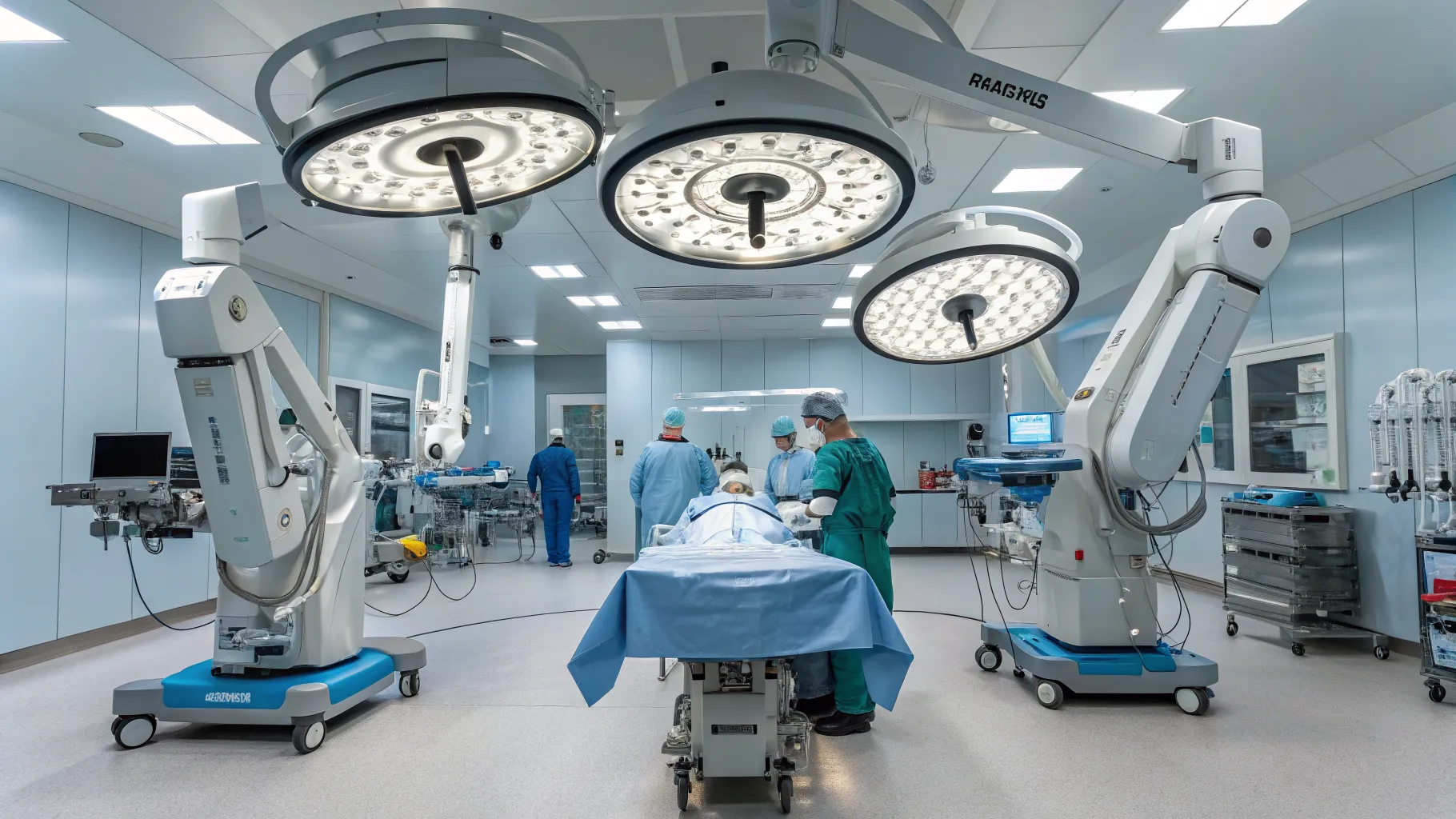
Pioneering Institutions in Surgical Robotics
The United States boasts a multitude of medical centers pushing the boundaries of what's possible with robotic-assisted surgery. These institutions are not only performing a high volume of procedures but are also heavily invested in research, training, and developing new applications for this transformative technology. Their dedication ensures patients have access to the most innovative and effective treatments available today. The integration of healthcare innovation at these centers solidifies their status as leaders in the field.
1. Mayo Clinic (Rochester, Minnesota)
Renowned globally for its comprehensive and integrated approach to patient care, the Mayo Clinic in Rochester is a powerhouse in robotic surgery. They utilize a wide array of robotic platforms for procedures spanning urology, gynecology, general surgery, and cardiothoracic surgery, often tackling the most complex cases with remarkable success rates and pioneering new techniques.
2. Cleveland Clinic (Cleveland, Ohio)
The Cleveland Clinic is consistently ranked among the top hospitals in the nation, particularly for its surgical specialties. Their extensive use of surgical robotics for advanced procedures, coupled with a strong emphasis on research and surgeon training, positions them as a key leader in innovative treatment options for various conditions.
3. NewYork-Presbyterian Hospital (New York, New York)
As a major academic medical center, NewYork-Presbyterian offers cutting-edge robotic surgery across multiple campuses. Their commitment to integrating technology with world-class medical expertise allows them to perform thousands of minimally invasive procedures annually, addressing a broad spectrum of patient needs with exceptional outcomes.
4. Johns Hopkins Hospital (Baltimore, Maryland)
Johns Hopkins is a beacon of medical research and clinical excellence. Their robotic surgery program is distinguished by its innovative approaches to complex cancer surgeries, particularly in prostate, head and neck, and gynecological oncology, driving forward the frontiers of healthcare innovation.
5. Massachusetts General Hospital (Boston, Massachusetts)
Affiliated with Harvard Medical School, Massachusetts General Hospital has a robust robotic surgery program that integrates clinical care with groundbreaking research. They are at the forefront of developing new applications for robotic technology, ensuring patients benefit from the latest advancements.
6. UCLA Medical Center (Los Angeles, California)
UCLA Medical Center is a leader in robotic surgery on the West Coast, offering advanced procedures in oncology, gastroenterology, and thoracic surgery. Their multidisciplinary teams leverage robotic-assisted surgery to achieve optimal patient outcomes and faster recovery times.
7. Hospitals of the University of Pennsylvania-Penn Presbyterian (Philadelphia, Pennsylvania)
Penn Medicine is recognized for its excellence in robotic surgery, particularly in urology and gynecologic oncology. Their comprehensive approach combines skilled surgeons with advanced technology, solidifying their reputation as leading surgical centers.
8. Cedars-Sinai Medical Center (Los Angeles, California)
Cedars-Sinai offers a sophisticated robotic surgery program with a focus on delivering precise and effective treatments. Their expertise spans numerous surgical disciplines, enhancing patient safety and recovery through advanced robotic platforms for complex cases.
9. Northwestern Memorial Hospital (Chicago, Illinois)
Northwestern Memorial Hospital utilizes robotic technology for a wide range of procedures, emphasizing patient-centered care and superior surgical results. They are known for their commitment to innovation in surgical robotics, expanding access to advanced treatments.
10. UCSF Medical Center (San Francisco, California)
UCSF Medical Center is a top-tier academic medical institution with a strong robotic surgery program. They excel in offering advanced minimally invasive procedures for various conditions, underpinned by extensive research and a commitment to medical education.
11. Stanford Health Care-Stanford Hospital (Stanford, California)
Stanford Health Care combines world-class medical research with clinical excellence in robotic surgery. Their program is a leader in developing and implementing new robotic techniques, providing patients with access to the most advanced surgical options in healthcare innovation.
12. Mount Sinai Hospital (New York, New York)
Mount Sinai is a prominent academic medical center with a thriving robotic surgery program. They provide expert care using sophisticated robotic systems for complex surgeries, particularly in specialties such as urology, gynecology, and general surgery.
13. Houston Methodist Hospital (Houston, Texas)
Houston Methodist Hospital stands out for its comprehensive robotic surgery program, which is among the busiest in the nation. Their focus on precision medicine and advanced technology makes them a key hub for patients seeking robotic-assisted surgery.
14. Duke University Hospital (Durham, North Carolina)
Duke University Hospital is a recognized leader in surgical innovation, with a strong emphasis on robotic surgery for various specialties including urology, thoracic, and gynecologic surgery. Their commitment to research contributes significantly to the advancement of surgical robotics.
15. Barnes-Jewish Hospital (St. Louis, Missouri)
Affiliated with Washington University School of Medicine, Barnes-Jewish Hospital offers a cutting-edge robotic surgery program. They are dedicated to providing advanced minimally invasive procedures, ensuring patients receive highly effective and precise surgical care.
Comparative Analysis of Robotic Surgery Platforms
While the goal of all robotic-assisted surgery platforms is to enhance surgical precision and patient outcomes, different systems offer unique advantages. The da Vinci Surgical System, for instance, is the most widely adopted platform, known for its articulated instruments and 3D visualization, enabling surgeons to perform complex dissections with unparalleled dexterity. Newer systems, such as the Ion Endoluminal System for lung biopsies or the Mako SmartRobotics for orthopedic procedures, represent specialized advancements, offering tailored solutions for specific surgical needs. The choice of platform often depends on the surgical specialty, the specific procedure, and the surgeon's training and preference. These leading surgical centers often invest in a variety of robotic technologies to cater to diverse patient requirements, showcasing a commitment to comprehensive healthcare innovation.
Maximizing Benefits from Robotic-Assisted Surgery
Choosing a facility for robotic-assisted surgery involves careful consideration to ensure the best possible outcomes. Here are key pieces of actionable advice:
- Research Surgeon Experience: Always inquire about the surgeon's specific experience and volume of procedures performed using surgical robotics for your particular condition. Higher volume often correlates with better outcomes.
- Understand Technology Integration: Look for hospitals that not only have robotic systems but also integrate them into a broader program of care, including pre-operative planning, intra-operative navigation, and post-operative rehabilitation. This holistic approach indicates advanced healthcare innovation.
- Seek Second Opinions: For complex cases, obtaining a second opinion from another institution, especially one of the leading surgical centers, can provide valuable insights and assure you are making an informed decision about your treatment plan.
- Inquire About Outcomes: Ask about the hospital's specific success rates, complication rates, and patient satisfaction scores for minimally invasive procedures performed using robotic assistance. Transparency in outcomes is a hallmark of quality care.
- Consider the Support Team: A strong robotic surgery program includes not just skilled surgeons but also a dedicated team of anesthesiologists, nurses, and technicians who are experienced with the specific demands of robotic procedures.
Frequently Asked Questions
What types of surgeries can be performed with robotic assistance?
Robotic-assisted surgery is used across a broad range of specialties, including urology (e.g., prostatectomy), gynecology (e.g., hysterectomy), general surgery (e.g., hernia repair, colectomy), cardiothoracic surgery (e.g., mitral valve repair), and even head and neck surgery.
Is robotic surgery safer than traditional open surgery?
While safety varies by procedure and patient, robotic-assisted surgery is generally associated with several benefits that can contribute to a safer recovery, such as smaller incisions, reduced blood loss, less pain, and a lower risk of infection compared to traditional open surgery. These benefits are key drivers of healthcare innovation.
How long is the recovery period after robotic-assisted surgery?
Recovery periods vary significantly depending on the type of procedure and individual patient factors. However, one of the primary advantages of minimally invasive procedures performed with robotic assistance is often a shorter hospital stay and a quicker return to normal activities compared to open surgery.
Are all hospitals offering robotic surgery equally proficient?
No. The proficiency varies significantly among institutions and surgeons. It is crucial to choose leading surgical centers with experienced surgeons and robust robotic programs, as highlighted in this article, to ensure the best possible outcomes.
What are the long-term benefits of robotic surgery?
Long-term benefits can include reduced scarring, less chronic pain, and faster overall recovery, allowing patients to resume their quality of life more quickly. For certain conditions, such as prostate cancer, robotic-assisted surgery can also lead to better functional outcomes.
References
- Journal of Robotic Surgery
- American College of Surgeons Data Reports
- Leading Medical Journal Publications on Minimally Invasive Surgery
- Reports from National Institutes of Health (NIH)
- Clinical Studies on Surgical Robotics Outcomes
Authored by MyTrendSpot team