Discovering the Top 15 Oncology Centers in the United States for Advanced Cancer Treatment
Facts:
- Cancer is a leading cause of death worldwide.
- Early detection improves **cancer treatment** outcomes for patients.
Navigating Excellence: Understanding the Foremost Oncology Centers
For individuals facing a cancer diagnosis, identifying the best possible care is paramount. The United States is home to many of the world's most advanced and specialized **oncology centers**, pioneering breakthroughs in diagnosis, treatment, and patient support. These **leading hospitals** are at the forefront of medical innovation, providing comprehensive **cancer treatment** options that range from targeted therapies to complex surgical interventions. This guide delves into the esteemed institutions dedicated to exceptional **cancer care**, highlighting their unique contributions and multidisciplinary approaches.
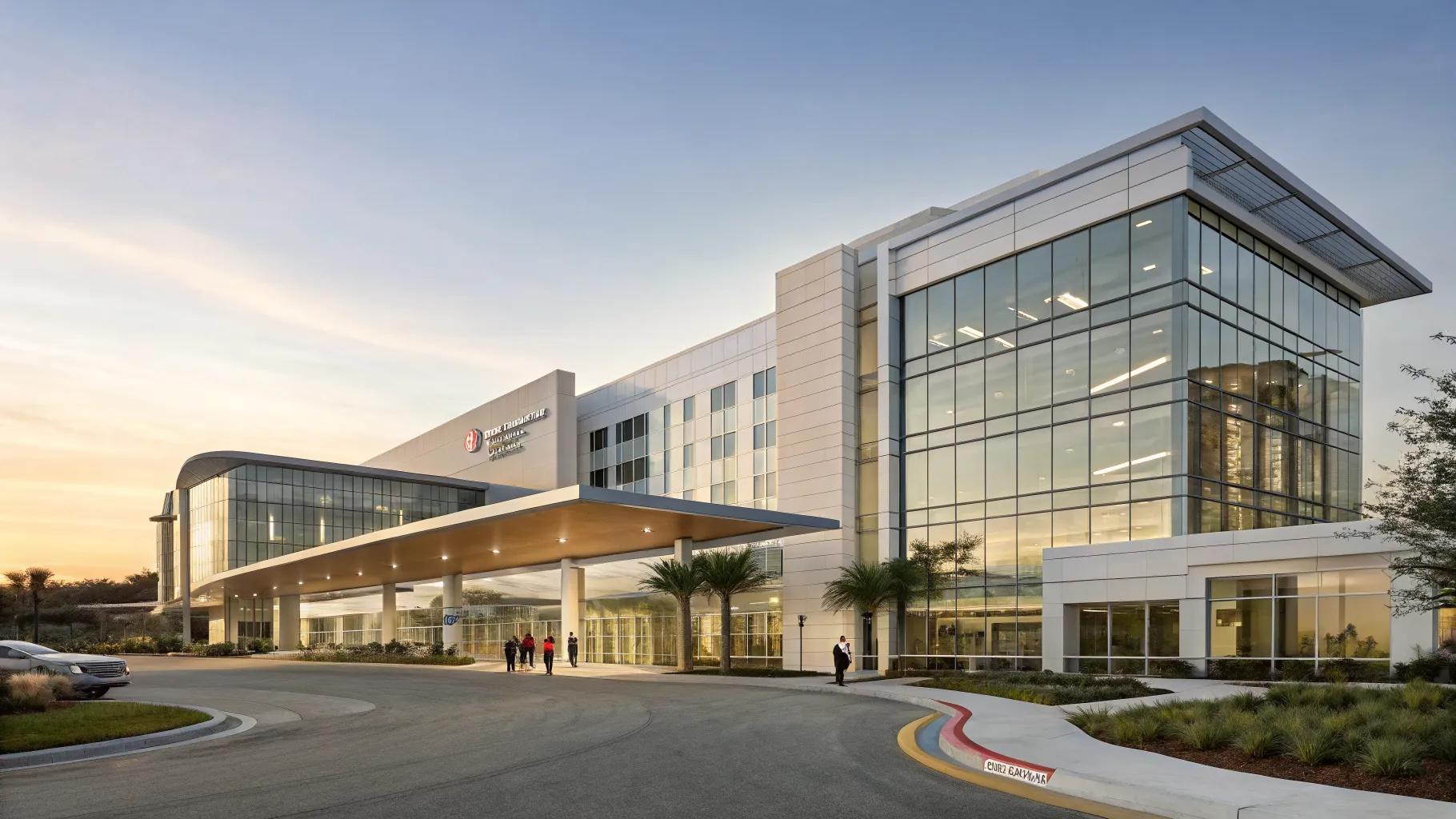
The Nation's Pinnacle: Spotlight on the Top 15 Oncology Centers
The pursuit of effective **cancer care** requires access to facilities equipped with state-of-the-art technology, expert specialists, and dedicated research programs. The following institutions represent the zenith of **oncology centers** in the United States, renowned for their patient outcomes, innovative treatments, and commitment to advancing cancer science.
1. MD Anderson Cancer Center (Houston, Texas)
Recognized globally, MD Anderson is consistently ranked among the top **oncology centers**. It offers a vast array of **specialized cancer programs**, comprehensive research initiatives, and patient-centered care. Its dedication to groundbreaking research often means access to cutting-edge clinical trials, providing hope for challenging cases. The center's interdisciplinary approach ensures that patients receive holistic and personalized **cancer treatment** plans.
2. Memorial Sloan Kettering Cancer Center (New York, New York)
As one of the oldest and largest private **oncology centers** globally, MSKCC is a powerhouse in cancer research and care. It boasts an impressive track record in developing new therapies and conducting extensive clinical research. Patients benefit from highly specialized teams focusing on specific cancer types, ensuring expertise at every step of their **cancer treatment** journey.
3. Mayo Clinic Cancer Center (Rochester, Minnesota; Phoenix/Scottsdale, Arizona; Jacksonville, Florida)
The Mayo Clinic’s integrated model of care, research, and education positions its cancer center as a leader in comprehensive **cancer care**. Their emphasis on collaborative diagnosis and treatment ensures that patients receive opinions from multiple experts. Their facilities are equipped with the latest technology for precise diagnostics and advanced **cancer treatment** options.
4. Dana-Farber Cancer Institute (Boston, Massachusetts)
Affiliated with Harvard Medical School, Dana-Farber is a world-renowned leader in adult and pediatric **cancer treatment** and research. It's known for its scientific discoveries and for translating research into effective new therapies. Their innovative approach to **cancer care** includes a strong focus on immunotherapy and personalized medicine.
5. Cleveland Clinic Cancer Institute (Cleveland, Ohio)
The Cleveland Clinic Cancer Institute offers an integrated model of **cancer care**, bringing together experts from various disciplines. They are committed to providing comprehensive **cancer treatment** for a wide range of cancers, emphasizing patient navigation and support services. Their research contributes significantly to new understandings of cancer biology and treatment.
6. Johns Hopkins Kimmel Cancer Center (Baltimore, Maryland)
A pioneer in cancer research, the Kimmel Cancer Center is celebrated for its contributions to understanding cancer at a molecular level and developing novel therapies. It is one of the **leading hospitals** for innovative **cancer treatment** strategies, including immunotherapy and gene therapy, attracting patients from around the world.
7. Stanford Health Care – Stanford Cancer Institute (Stanford, California)
Located in Silicon Valley, the Stanford Cancer Institute leverages cutting-edge technology and interdisciplinary collaboration to deliver advanced **cancer treatment**. They are particularly strong in precision medicine, clinical trials, and using technology to enhance **cancer care** delivery.
8. UCSF Helen Diller Family Comprehensive Cancer Center (San Francisco, California)
This center is acclaimed for its pioneering research and patient-focused **cancer treatment**. UCSF's commitment to basic science research informs its clinical practice, offering patients access to new and emerging therapies. They provide comprehensive **cancer care** for complex and rare cancers.
9. Northwestern Medicine Robert H. Lurie Comprehensive Cancer Center (Chicago, Illinois)
As one of the top **oncology centers** in the Midwest, Lurie Cancer Center offers advanced **cancer treatment** and participates in extensive research. Their strengths include personalized medicine, supportive care, and a robust clinical trials program, ensuring patients receive the most current **cancer care**.
10. UCLA Health Jonsson Comprehensive Cancer Center (Los Angeles, California)
The Jonsson Comprehensive Cancer Center is a leader in cancer research, prevention, and treatment. Known for its innovative approaches, particularly in areas like immunology and molecular biology, it offers comprehensive **cancer treatment** and access to advanced clinical trials, serving a diverse patient population.
11. Duke Cancer Institute (Durham, North Carolina)
Duke Cancer Institute combines exceptional clinical care with groundbreaking research. They are known for their collaborative team approach to **cancer treatment**, integrating specialists across disciplines. Their focus on translating research discoveries into improved patient outcomes makes them one of the significant **oncology centers**.
12. Yale Cancer Center (New Haven, Connecticut)
Yale Cancer Center is the only National Cancer Institute-designated comprehensive cancer center in Connecticut. It is recognized for its research excellence and for delivering high-quality, patient-centered **cancer treatment**. They excel in combining innovative research with compassionate **cancer care**.
13. Huntsman Cancer Institute at the University of Utah (Salt Lake City, Utah)
Huntsman Cancer Institute stands out for its unique focus on cancer genetics and hereditary cancers, as well as its strong commitment to rural and underserved populations. They provide comprehensive **cancer treatment** and extensive support services within a stunning research and clinical facility, making them a unique addition to **leading hospitals** in cancer.
14. Siteman Cancer Center at Barnes-Jewish Hospital and Washington University School of Medicine (St. Louis, Missouri)
Siteman is a nationally recognized **oncology center** known for its cutting-edge research and comprehensive **cancer treatment**. They offer a full spectrum of services, from prevention to survivorship, with a strong emphasis on personalized medicine and advanced radiation therapies, making them a crucial resource for **cancer care**.
15. Sylvester Comprehensive Cancer Center at the University of Miami (Miami, Florida)
Sylvester is South Florida's only NCI-designated cancer center, providing a unique blend of leading-edge research and patient-focused **cancer treatment**. They specialize in a wide range of cancers prevalent in the region and offer access to numerous clinical trials, establishing themselves as key **oncology centers** for the community.
Advanced Cancer Treatment Modalities and Innovations
The landscape of **cancer treatment** is continuously evolving, with these **leading hospitals** driving many of the most significant advancements. Modern approaches include precision medicine, where treatments are tailored to the specific genetic makeup of a patient's tumor, leading to more effective and less toxic outcomes. Immunotherapy, which harnesses the body's own immune system to fight cancer, has revolutionized the treatment of several cancer types. Additionally, advanced surgical techniques, such as robotic surgery, offer greater precision and faster recovery times. Radiation oncology has also seen significant strides with technologies like proton therapy, delivering highly targeted radiation with minimal damage to surrounding healthy tissue. These innovations are crucial components of the **specialized cancer programs** offered at top **oncology centers**, aiming to improve survival rates and quality of life for cancer patients.
Choosing the Right Oncology Center for Your Cancer Care Journey
Selecting an appropriate **oncology center** is a deeply personal and critical decision. It involves considering various factors beyond just rankings, ensuring the chosen institution aligns with your specific needs for **cancer treatment** and support.
- Specialization and Expertise: Look for **oncology centers** with strong **specialized cancer programs** in your specific cancer type, as this often means access to experts who have extensive experience with your condition.
- Clinical Trials: Inquire about ongoing clinical trials. Participating in a trial can provide access to new and experimental **cancer treatment** options that might not be widely available yet.
- Multidisciplinary Approach: Prioritize centers that offer a team-based approach, involving oncologists, surgeons, radiation therapists, pathologists, and supportive care specialists collaborating on your **cancer treatment** plan.
- Support Services: Evaluate the availability of supportive care services such as nutrition counseling, psychological support, rehabilitation, and palliative care, which are vital for comprehensive **cancer care**.
- Location and Logistics: Consider the practical aspects of travel and accommodation, especially if your **cancer treatment** requires frequent visits or an extended stay away from home.
- Patient Outcomes and Reputation: Research the center's track record, patient satisfaction, and overall reputation in **cancer treatment** for your specific diagnosis.
Frequently Asked Questions
What makes an oncology center 'top-tier' for cancer treatment?
Top-tier **oncology centers** are typically distinguished by their robust research programs, advanced technology, highly specialized medical teams, high patient volumes for specific cancers, and comprehensive supportive care services. They often lead in developing new **cancer treatment** protocols and offer access to cutting-edge clinical trials.
How important is it to choose a cancer center with specialized cancer programs?
Choosing a center with **specialized cancer programs** is highly important as it ensures that your care team possesses deep expertise in your specific cancer type. This specialization often translates to more precise diagnoses, tailored **cancer treatment** plans, and improved outcomes, especially for rare or complex cancers.
Are all leading hospitals for cancer treatment covered by insurance?
While many **leading hospitals** for **cancer treatment** accept a wide range of insurance plans, coverage can vary significantly depending on your specific policy and the center's network affiliations. It's crucial to verify your insurance coverage directly with the **oncology center** and your insurance provider before beginning any treatment.
What should I ask when consulting with an oncology center for cancer care?
When consulting, ask about their experience with your specific cancer type, available **cancer treatment** options including clinical trials, the multidisciplinary team involved in your care, supportive services, estimated costs, and what to expect during your **cancer treatment** journey. Don't hesitate to seek a second opinion.
References
- National Cancer Institute
- American Cancer Society
- Leading medical journals on oncology research
- Hospital and university medical center official websites
Authored by MyTrendSpot team