Exploring the Top 8 Facilities for Neurological Treatment in the USA
Neurological conditions encompass a wide spectrum of disorders affecting the brain, spinal cord, and nerves. From common ailments like migraines to complex diseases such as Alzheimer's, Parkinson's, and stroke, the need for specialized care is paramount. The United States is home to numerous world-class medical centers that push the boundaries of neurological treatment, offering cutting-edge diagnostics, innovative therapies, and comprehensive patient support.
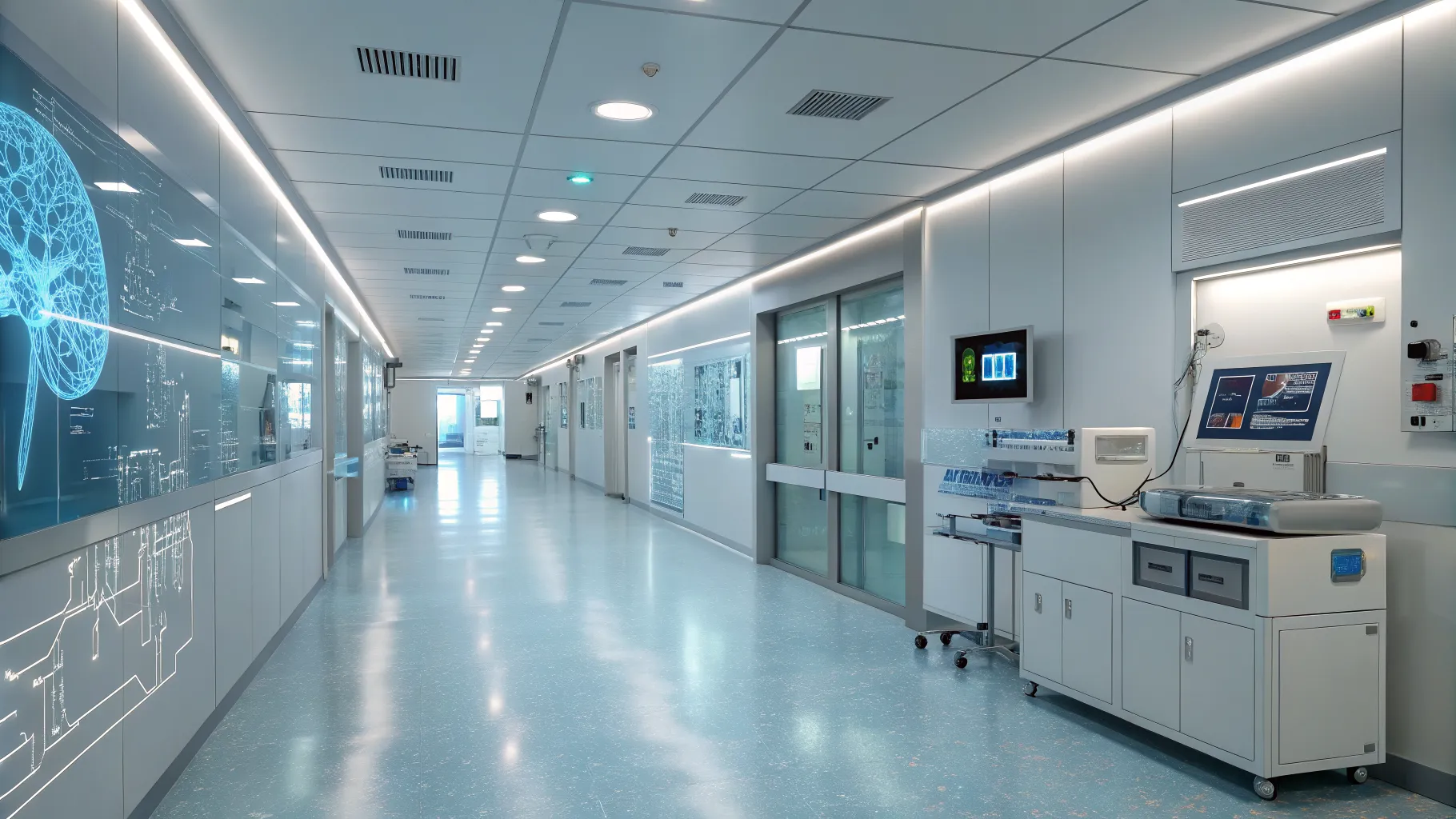
Understanding Neurological Treatment
Neurological treatment involves a multidisciplinary approach tailored to the specific condition and individual patient needs. This can range from medication management and physical therapy to highly specialized surgical interventions. The goal is often to alleviate symptoms, slow disease progression, improve quality of life, and in some cases, achieve a cure. Facilities dedicated to neurological care bring together experts from various fields, including neurologists, neurosurgeons, neuropsychologists, rehabilitation specialists, and researchers.
These centers are often equipped with advanced imaging technologies like high-resolution MRI and PET scans, sophisticated neurophysiology labs, and state-of-the-art operating rooms designed for complex brain and spine surgeries. Beyond immediate medical interventions, many facilities also emphasize long-term care, rehabilitation, and support services to help patients manage chronic conditions and regain function.
What to Look for in a Neurology Facility
When seeking neurological treatment, several factors can indicate a high-quality facility. A strong reputation for patient outcomes, a team of highly specialized and experienced physicians, and access to the latest technologies are crucial. It's also beneficial to consider institutions that participate in clinical trials, as this often signifies a commitment to advancing medical knowledge and offering access to experimental treatments that may not be widely available.
Furthermore, the facility's approach to patient care, including personalized treatment plans, patient education, and support systems for families, plays a significant role. Accreditation, board certifications of medical staff, and a focus on specific neurological subspecialties relevant to your condition can also be important indicators of excellence. Accessibility, insurance coverage, and overall patient experience are practical considerations that should not be overlooked.
The Role of Specialized Centers
Specialized neurological centers differ from general hospitals in their depth of expertise and resources dedicated solely to conditions of the nervous system. These centers often house dedicated units for specific disorders, such as stroke centers, epilepsy monitoring units, or movement disorder clinics. This specialization allows for highly focused care, where clinicians have extensive experience with particular conditions and access to the most advanced diagnostic and therapeutic tools.
Such centers also frequently serve as research hubs, contributing to a better understanding of neurological diseases and the development of new treatments. Patients benefit from this integrated approach, as their care team is often at the forefront of neurological science, offering not just standard treatments but also innovative options and a holistic view of their condition.
Top 8 Facilities for Neurological Treatment in the USA
Identifying the absolute 'best' facility can be subjective and depend on individual needs, but several institutions consistently rank among the top for their excellence in neurological care, research, and patient outcomes. These facilities are often leaders in neurosurgery, stroke care, epilepsy treatment, and other complex neurological conditions.
- Mayo Clinic (Rochester, MN): Renowned for its integrated, patient-centered approach and comprehensive care across numerous neurological conditions, including complex and rare disorders.
- NYU Langone Hospitals (New York, NY): Recognized for its strong programs in stroke, epilepsy, and neuro-oncology, with a focus on cutting-edge research and personalized medicine.
- UCSF Medical Center (San Francisco, CA): A leader in neurology and neurosurgery, particularly known for its expertise in movement disorders, multiple sclerosis, and advanced brain tumor treatment.
- NewYork-Presbyterian Hospital-Columbia and Cornell (New York, NY): Offers extensive programs across all neurological subspecialties, with significant contributions to research in stroke, Alzheimer's, and Parkinson's disease.
- Massachusetts General Hospital (Boston, MA): Home to one of the oldest and most respected neurology departments, providing exceptional care for a broad range of neurological and neurosurgical conditions.
- Cleveland Clinic (Cleveland, OH): Highly regarded for its Neurological Institute, which brings together experts in over a dozen neurological specialties, particularly strong in stroke, epilepsy, and movement disorders.
- Johns Hopkins Hospital (Baltimore, MD): A world-renowned academic medical center with a long history of pioneering neurological research and providing advanced care for complex conditions.
- Cedars-Sinai Medical Center (Los Angeles, CA): Known for its comprehensive Neurosciences Institute, offering advanced treatments for stroke, brain tumors, and spinal disorders, alongside significant research efforts.
Advanced Diagnostics and Therapies
The leading neurological facilities continually invest in the latest diagnostic tools and therapeutic technologies. This includes advanced neuroimaging techniques that can map brain activity and identify subtle abnormalities, as well as neurophysiological studies that assess nerve and muscle function. These sophisticated diagnostics are critical for accurate diagnosis and precise treatment planning, especially for complex or rare neurological conditions.
Therapeutically, these centers offer a wide array of options. This might involve minimally invasive neurosurgery for conditions like epilepsy or brain tumors, deep brain stimulation (DBS) for movement disorders, advanced pharmacological treatments, and highly specialized rehabilitation programs. Access to these cutting-edge options can significantly impact patient outcomes and quality of life.
Patient-Centered Care and Support
Beyond medical and surgical interventions, top neurological facilities prioritize a holistic, patient-centered approach. This often includes access to dedicated care coordinators who help navigate the complexities of treatment, as well as support groups, psychological counseling, and palliative care services. Recognizing that neurological conditions can profoundly affect not just the patient but also their families, these institutions often provide resources to support caregivers.
Rehabilitation services, including physical, occupational, and speech therapy, are frequently integrated into the treatment plan to help patients regain lost function and adapt to new challenges. This comprehensive support system is vital for long-term management and improving the overall well-being of individuals living with neurological disorders.
Navigating Your Treatment Options
Choosing the right facility for neurological treatment is a significant decision. It involves careful consideration of the specific condition, the expertise available, and the resources offered by different institutions. Consulting with your primary care physician or a neurologist for referrals and gathering multiple opinions can provide valuable insights. Researching facilities, their specialties, and patient reviews can also inform your choice.
Ultimately, the goal is to find a center that not only offers advanced medical treatment but also provides a supportive and compassionate environment. By being informed and proactive, patients and their families can make decisions that align with their health goals and enhance their journey towards recovery and improved neurological health.
Authored by MyTrendSpot team