Exploring Top Alzheimer's Treatment Centers in the United States
Fast Facts:
- Alzheimer's disease affects millions globally.
- Early diagnosis improves outcomes for dementia research institutions.
Navigating Excellence: Selecting the Best Alzheimer's Treatment Centers
Choosing the right **Alzheimer's treatment centers** is a monumental decision for families facing the challenges of neurodegenerative diseases. These specialized facilities offer comprehensive care, from initial diagnosis and symptom management to groundbreaking research and supportive therapies. Understanding the array of services provided by leading **memory care facilities** across the nation is crucial for ensuring loved ones receive the highest quality of life and access to the latest advancements in treatment. The focus extends beyond medical intervention to holistic well-being, emphasizing personalized care plans that adapt to the evolving needs of each patient.
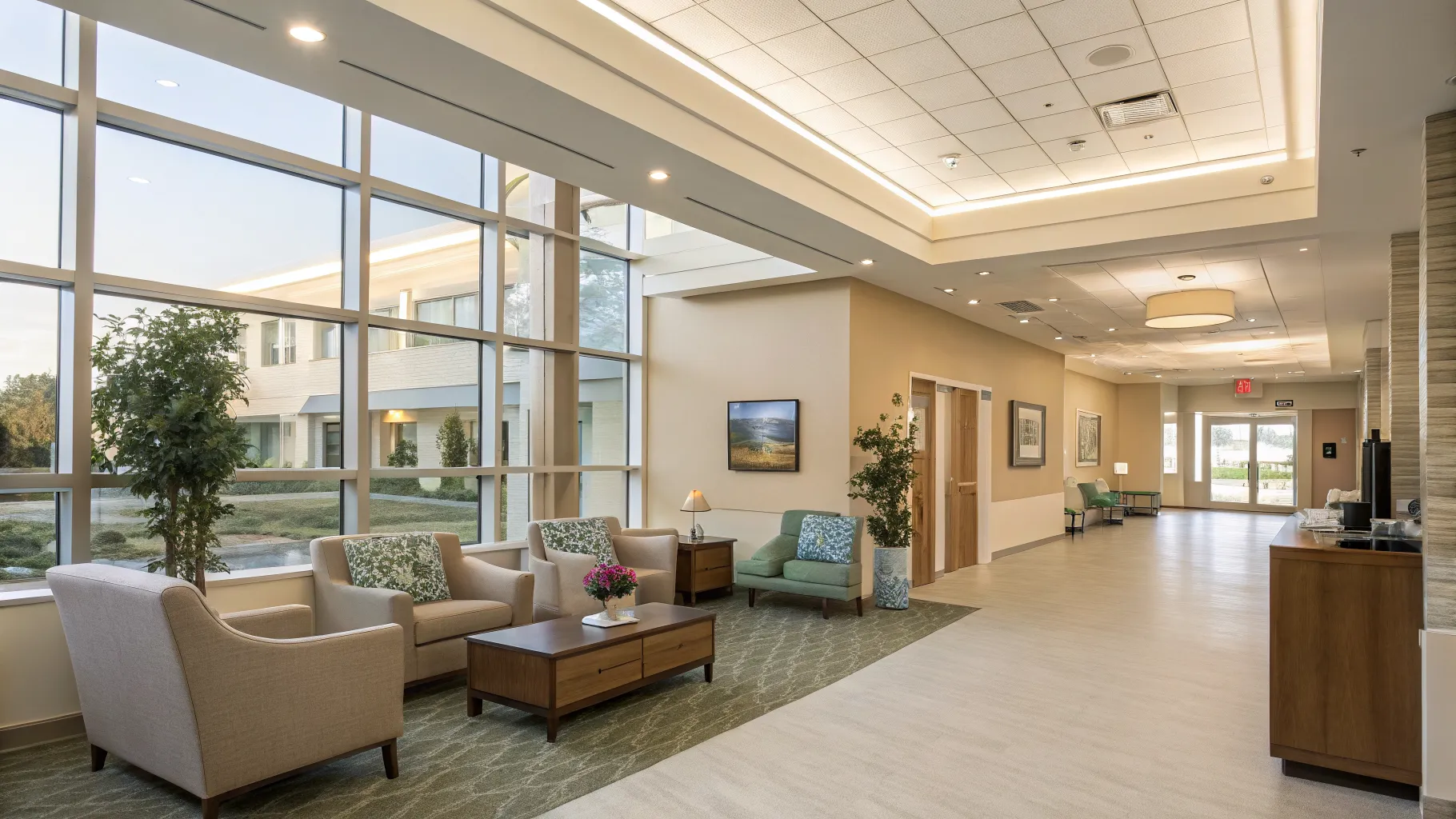
The landscape of **advanced Alzheimer's care** in the United States is continuously evolving, driven by dedicated researchers and clinicians. These institutions are not just treatment hubs but also vital centers for innovation, pushing the boundaries of what's possible in managing and potentially reversing the effects of Alzheimer's disease. Families often seek centers known for their multidisciplinary approach, integrating neurology, psychiatry, social work, and specialized therapies to provide a seamless and effective care experience. This integrated model is a hallmark of truly exceptional **neurocognitive clinics** and treatment centers.
Mayo Clinic, Rochester, Minnesota
The Mayo Clinic is consistently ranked among the top hospitals nationwide, offering unparalleled expertise in neurological disorders, including Alzheimer's disease. Their approach to Alzheimer's treatment centers on patient-centered care, combining cutting-edge research with compassionate clinical practice. Patients benefit from a team of highly specialized neurologists, psychiatrists, neuropsychologists, and social workers who collaborate to create individualized treatment plans. The clinic is also a leading **dementia research institution**, actively involved in clinical trials and studies aimed at understanding and combating the disease.
Cleveland Clinic Lou Ruvo Center for Brain Health, Las Vegas, Nevada
The Lou Ruvo Center for Brain Health, part of the Cleveland Clinic, is renowned for its innovative and comprehensive approach to memory disorders. This center provides a unique blend of clinical care, research, and community outreach. As a premier **neurocognitive clinic**, it offers state-of-the-art diagnostics, a wide range of therapeutic options, and robust support programs for patients and caregivers. Their commitment to exploring new treatments and participating in global research initiatives makes it a significant player in **advanced Alzheimer's care**.
Massachusetts General Hospital, Boston, Massachusetts
Massachusetts General Hospital, an affiliate of Harvard Medical School, boasts one of the oldest and most respected neurology departments in the country. Its memory disorder unit provides comprehensive evaluation and treatment for various forms of dementia, including Alzheimer's. The hospital's strong emphasis on scientific discovery means patients often have access to novel treatments through clinical trials. This leading **Alzheimer's treatment center** focuses on integrating medical, social, and psychological support to optimize patient outcomes.
UCSF Memory and Aging Center, San Francisco, California
The University of California, San Francisco (UCSF) Memory and Aging Center is a world leader in identifying and providing compassionate care for people with conditions affecting the brain. It is recognized globally as a pioneering **dementia research institution** dedicated to uncovering the causes and cures for neurodegenerative diseases. The center offers a holistic and multidisciplinary approach, from sophisticated diagnostic tools to innovative therapies and comprehensive caregiver support programs, truly exemplifying **advanced Alzheimer's care**.
Johns Hopkins Alzheimer's Disease Research Center, Baltimore, Maryland
Johns Hopkins Medicine has a long-standing reputation for excellence in medical research and patient care. The Alzheimer's Disease Research Center (ADRC) at Johns Hopkins is a designated center of excellence by the National Institute on Aging. It brings together experts from various fields to provide comprehensive diagnostic services, innovative treatments, and support services. The ADRC's active participation in clinical trials and dedication to understanding the fundamental mechanisms of Alzheimer's solidifies its position as a top **Alzheimer's treatment center** and a vital **dementia research institution**.
When evaluating **memory care facilities** and specialized clinics, it's essential to consider several factors beyond reputation. While facilities like the Mayo Clinic and Johns Hopkins offer exceptional care, the best choice often depends on individual patient needs, geographical proximity, and specific program offerings. Some centers excel in early-stage intervention, while others provide robust support for **advanced Alzheimer's care**. Comparing the multidisciplinary teams, access to clinical trials, and the integration of holistic therapies can help families make an informed decision. Furthermore, understanding the financial aspects and insurance coverage for different **Alzheimer's treatment centers** is a crucial part of this comparison. The availability of caregiver support and educational resources also plays a significant role in the overall patient and family experience, distinguishing truly comprehensive **neurocognitive clinics**.
Choosing the Right Memory Care Facilities: Key Considerations
- Staff Expertise and Training: Ensure the facility employs highly trained specialists, including neurologists, geriatricians, neuropsychologists, and nurses with specific experience in dementia care. Look for certifications and ongoing professional development in **advanced Alzheimer's care**. A deep understanding of the disease progression is paramount for effective treatment.
- Personalized Care Plans: The best **Alzheimer's treatment centers** develop individualized care plans tailored to each patient's specific stage of the disease, cognitive abilities, and personal preferences. These plans should be regularly reviewed and adjusted as the patient's needs evolve, reflecting the dynamic nature of memory care facilities.
- Research Involvement and Access to Clinical Trials: Leading institutions are often actively involved in **dementia research institutions** and clinical trials. This can offer patients access to experimental treatments and therapies that are not yet widely available, providing hope for future advancements in **advanced Alzheimer's care**.
- Therapeutic Environment and Activities: A stimulating and safe environment is crucial. Look for facilities that offer engaging activities designed to maintain cognitive function, promote social interaction, and enhance overall well-being. This includes art therapy, music therapy, reminiscence therapy, and physical exercise programs specifically adapted for individuals in **memory care facilities**.
- Support Services for Families and Caregivers: Comprehensive support extends beyond the patient to their families. The best **neurocognitive clinics** provide educational programs, support groups, and counseling services for caregivers, recognizing their vital role and the emotional toll of the disease.
Frequently Asked Questions
What makes a top Alzheimer's treatment center stand out?
Top Alzheimer's treatment centers distinguish themselves through a combination of factors: a multidisciplinary team of experts, access to cutting-edge research and clinical trials, highly personalized care plans, a supportive and engaging environment, and robust support systems for both patients and their families. They often integrate advanced diagnostic tools with holistic therapeutic approaches, ensuring comprehensive care for **advanced Alzheimer's care**.
How important is dementia research institutions involvement?
Involvement with **dementia research institutions** is extremely important. It signifies that the center is at the forefront of understanding and treating Alzheimer's disease. Patients in such centers may have opportunities to participate in clinical trials, gaining access to novel therapies not yet available elsewhere. This commitment to research not only advances scientific knowledge but also ensures patients receive the most current and evidence-based care available within **memory care facilities**.
Are neurocognitive clinics different from general memory care?
Yes, **neurocognitive clinics** typically offer a more specialized and often higher level of diagnostic and therapeutic services compared to general memory care facilities. While general memory care provides custodial care, assistance with daily living, and a supportive environment, **neurocognitive clinics** focus on precise diagnosis, advanced medical management, specialized cognitive therapies, and often have a strong link to research. They cater to complex cases and may offer more intensive medical interventions than standard **memory care facilities**.
References
- National Institute on Aging: Alzheimer's Disease Fact Sheet
- Alzheimer's Association: Latest Research and Treatments
- Mayo Clinic Proceedings: Advances in Dementia Care
- Cleveland Clinic Journal of Medicine: Neurocognitive Disorders Overview
- Johns Hopkins Medicine: Innovations in Alzheimer's Research
Authored by MyTrendSpot team