Discovering the Top Colon Cancer Screening Clinics in the United States for Preventative Care
Facts:
- Regular colon cancer screening reduces mortality significantly.
- Increasing trend in young-onset colorectal cancer for all demographics.
Navigating Premier Colon Cancer Screening Options Across the Nation
Identifying the top colon cancer screening clinics in the United States is a crucial step for individuals prioritizing their digestive health and seeking proactive disease prevention. With advancements in medical technology and a growing emphasis on preventative care, countless facilities offer excellent services. However, differentiating the premier institutions involves looking at a combination of factors including physician expertise, technological capabilities, patient outcomes, and comprehensive support services. This guide aims to shed light on what makes a clinic stand out and where to find exceptional care for colon cancer screening procedures, helping you make an informed decision for your health journey.
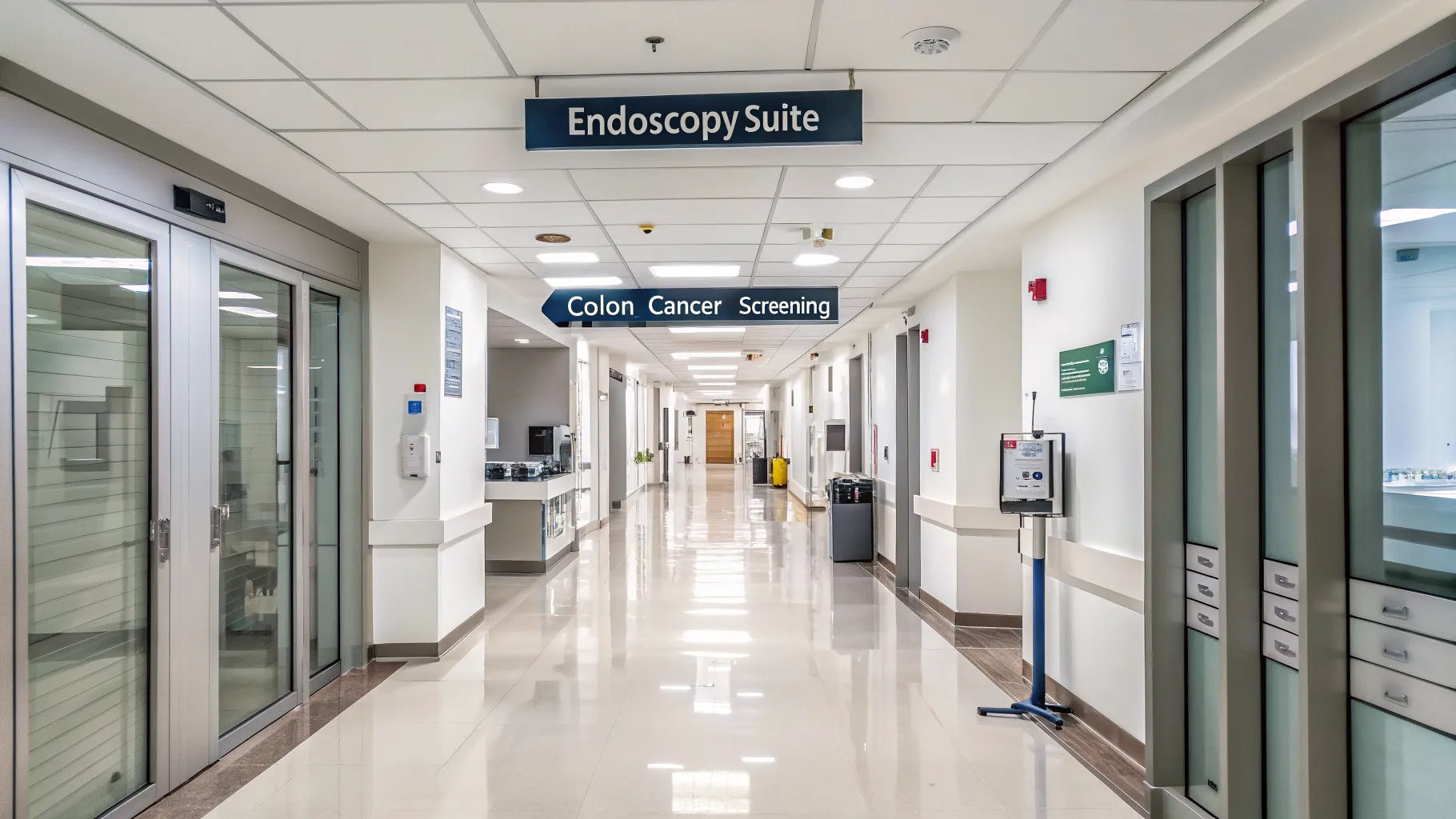
Key Attributes of Leading Colon Cancer Screening Centers
When searching for the finest institutions for colon cancer screening, several key attributes consistently emerge among top-tier facilities. These centers are not merely places where procedures are performed; they are comprehensive hubs dedicated to patient well-being, utilizing cutting-edge technology and a multidisciplinary approach. Exceptional gastroenterology centers prioritize patient education, ensuring individuals understand the importance of screening and what to expect throughout the process. They also often participate in clinical trials, contributing to the advancement of screening methodologies and treatment options for colorectal cancer, further solidifying their position as leaders in the field.
Advanced Diagnostic Technologies
The hallmark of a leading colon cancer screening clinic is its investment in state-of-the-art diagnostic technologies. This includes not only high-definition colonoscopes that provide superior visualization of the colon lining but also ancillary tools like narrow-band imaging (NBI) or chromoendoscopy, which enhance the detection of subtle polyps and precancerous lesions. Furthermore, top facilities often offer alternative screening methods for those who cannot undergo or prefer not to have a colonoscopy, such as CT colonography or advanced stool-based DNA tests, demonstrating a commitment to personalized care and utilizing the most effective tools for early detection colon cancer.
Expertise in Gastroenterology and Oncology
The proficiency of the medical team is paramount. Top colonoscopy clinics are staffed by highly experienced board-certified gastroenterologists and colorectal surgeons who specialize in endoscopic procedures. These specialists possess an intricate understanding of gastrointestinal diseases, ensuring precision during screenings and adept management of any findings. Moreover, leading centers often collaborate closely with oncologists, pathologists, and genetic counselors, providing a seamless transition for patients requiring further evaluation or treatment after a suspicious finding. This integrated approach ensures that patients receive holistic and expert care from initial screening through to any subsequent necessary interventions.
Patient-Centric Care and Support
Beyond clinical excellence, the most esteemed gastroenterology centers distinguish themselves through their unwavering commitment to patient comfort, safety, and support. This includes providing clear pre-procedure instructions, offering various sedation options to minimize discomfort, and ensuring a comfortable recovery environment. Patient navigators or dedicated support staff often guide individuals through the entire screening process, from scheduling to follow-up, addressing concerns and reducing anxiety. A strong emphasis on patient education empowers individuals to take an active role in their health, making the experience at these top colonoscopy clinics as positive and stress-free as possible.
Understanding Colonoscopy Clinics: What to Expect
When you visit top colonoscopy clinics, you can anticipate a streamlined and professional experience designed to maximize both comfort and diagnostic accuracy. The procedure itself, while often associated with apprehension, is typically safe and effective. Preparation involves a specific diet and bowel cleanse to ensure the colon is clear for optimal visualization. During the colonoscopy, a flexible tube with a camera is gently guided through the colon, allowing the specialist to examine the lining for polyps or other abnormalities. Any detected polyps can often be removed immediately during the procedure, preventing their potential progression into cancer. These clinics are focused on providing a thorough examination while prioritizing patient well-being throughout every stage.
Geographic Hubs for Premier Preventative Care United States
While excellent facilities exist throughout the country, certain regions and cities in the United States have become recognized hubs for advanced medical care, including exceptional colon cancer screening services. Major metropolitan areas such as New York, Boston, Houston, Los Angeles, and the San Francisco Bay Area often host world-renowned academic medical centers and large integrated health systems that are at the forefront of digestive health. These areas benefit from a high concentration of specialists, cutting-edge research, and robust funding for medical innovation, making them prime locations for accessing top colonoscopy clinics and comprehensive preventative care. Patients seeking specialized care might find a broader array of options and advanced treatments in these medical epicenters.
Choosing the Right Gastroenterology Center for You
Selecting the appropriate gastroenterology center for your colon cancer screening requires careful consideration of several factors beyond just geographical convenience. It is essential to research the center's accreditation, review the credentials and experience of the gastroenterologists, and inquire about their specific screening protocols and technologies. Patient testimonials and outcomes can also provide valuable insights into the quality of care and patient satisfaction. Furthermore, consider whether the clinic offers comprehensive follow-up care and integrates smoothly with other medical services if further treatment or monitoring is required. A truly outstanding center will not only perform the screening effectively but will also provide ongoing support for your long-term digestive health, ensuring a holistic approach to your well-being and contributing significantly to early detection colon cancer.
Steps for Effective Early Detection Colon Cancer
Consult with Your Primary Care Physician:
Discuss your personal and family medical history to determine your risk factors and the most appropriate age to begin colon cancer screening. Your doctor can recommend a suitable screening method and refer you to a specialized clinic.
Understand Your Screening Options:
While colonoscopy is considered the gold standard, explore other methods like stool tests (FIT, gFOBT, stool DNA), CT colonography, or flexible sigmoidoscopy with your physician to find the best fit for your health needs and preferences at top colonoscopy clinics.
Prepare Thoroughly for Your Procedure:
Follow all pre-procedure instructions meticulously, especially for bowel preparation. A clean colon is critical for accurate visualization and detection during a colonoscopy at gastroenterology centers.
Adhere to Recommended Follow-Up Schedules:
If polyps are found or if you have specific risk factors, your doctor will recommend a schedule for future screenings. Adhering to this schedule is vital for continuous monitoring and ensuring the early detection colon cancer.
Maintain a Healthy Lifestyle:
While screening is key, adopting a diet rich in fiber, limiting red and processed meats, engaging in regular physical activity, and avoiding smoking and excessive alcohol consumption can significantly reduce your risk of developing colon cancer.
Frequently Asked Questions
What is the recommended age for initial colon cancer screening?
For individuals with average risk, the recommended age to begin colon cancer screening is typically 45. However, if you have a family history of colorectal cancer or other risk factors, your doctor may suggest starting earlier.
Are all polyps found during a colonoscopy cancerous?
No, not all polyps are cancerous. Many are benign, but some types, particularly adenomatous polyps, have the potential to become cancerous over time. Removing them during a colonoscopy is a key aspect of preventing colorectal cancer and is a standard practice at top colonoscopy clinics.
How often should I get a colonoscopy if my first one was clear?
If your first colonoscopy reveals no abnormalities and you are at average risk, the recommendation is typically to repeat the colon cancer screening every 10 years. Your doctor will provide personalized guidance based on your individual risk factors.
What distinguishes a good gastroenterology center from an excellent one?
An excellent gastroenterology center goes beyond standard procedures by offering advanced technologies, highly specialized physicians, comprehensive patient support, participation in research, and a multidisciplinary approach to care, ensuring optimal outcomes and patient experience for early detection colon cancer.
References
- American Cancer Society Guidelines for Colorectal Cancer Screening.
- National Institute of Diabetes and Digestive and Kidney Diseases (NIDDK) resources on colonoscopy.
- World Gastroenterology Organisation (WGO) global guidelines.
- Centers for Disease Control and Prevention (CDC) statistics on colorectal cancer.
Authored by MyTrendSpot team