Unlock Your Health Potential: Discover the Top Nutrition Tracking Apps
Facts:
- Digital health tools are increasingly popular.
- User engagement in health and fitness apps rose significantly for individuals seeking dietary insights.
Navigating Your Wellness Journey: A Guide to the Best Nutrition Tracking Apps
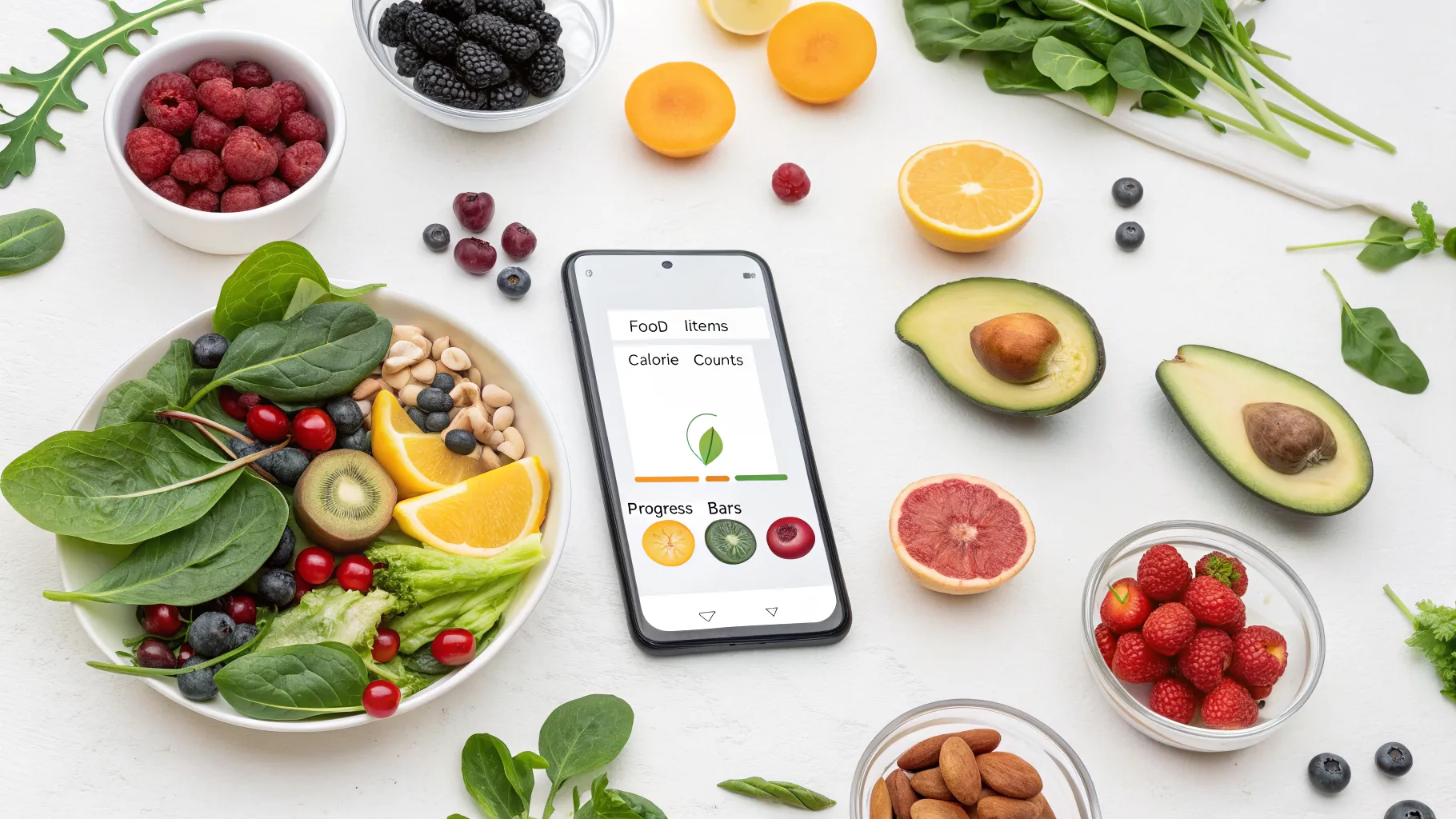
In today's fast-paced world, managing a balanced diet can be a significant challenge. Fortunately, the advent of sophisticated nutrition tracking apps has revolutionized how individuals approach their health and wellness. These powerful digital tools offer an unparalleled opportunity to gain deeper insights into eating habits, caloric intake, and macronutrient distribution. Whether your goal is weight management, muscle gain, or simply understanding your dietary patterns better, a reliable diet tracker can be an invaluable asset on your journey towards optimal health.
Leading Nutrition Tracking Apps Explored
MyFitnessPal: The Comprehensive Calorie Counter
MyFitnessPal remains one of the most widely recognized and utilized nutrition tracking apps globally. Its extensive database, boasting millions of food items, allows users to accurately log meals and snacks, making it an excellent calorie counter. The app provides detailed nutritional breakdowns, including macronutrients (carbohydrates, protein, fat) and micronutrients, giving users a holistic view of their daily intake. Beyond just food logging, MyFitnessPal offers a robust community support system, recipe ideas, and integration with various fitness devices, making it a versatile tool for anyone serious about managing their diet and activity levels.
Cronometer: Precision Food Logging for Detailed Insights
For those seeking a more granular approach to their dietary analysis, Cronometer stands out. This app is lauded for its precision in food logging, offering an incredibly comprehensive nutrient database that includes not only major macros but also vitamins, minerals, and amino acids. It's particularly favored by individuals following specific diets, such as keto or paleo, or those with unique dietary restrictions, as it provides an unparalleled level of detail. Cronometer's interface is clean and user-friendly, allowing for efficient tracking and insightful reporting, making it a top choice among dedicated diet tracker users.
MyPlate by Livestrong: A User-Friendly Diet Tracker
Livestrong's MyPlate is another strong contender in the realm of health and fitness apps, offering a straightforward and intuitive experience for tracking food and exercise. The app guides users through setting personalized calorie and macronutrient goals, then simplifies the process of logging meals with its extensive food database. What sets MyPlate apart is its focus on simplicity without sacrificing functionality, providing clear visual summaries of daily progress and helping users understand their dietary patterns. It’s an excellent option for beginners looking for an approachable nutrition tracking app to kickstart their healthy eating journey.
Lose It!: Gamified Weight Loss and Calorie Counter
As its name suggests, Lose It! is primarily geared towards weight loss, employing a highly engaging and gamified approach to help users achieve their goals. This calorie counter app makes tracking enjoyable by offering challenges, badges, and social features that motivate users to stay on track. Its smart camera feature allows for quick food scanning, and its meal planning tools make food logging efficient. Lose It! seamlessly integrates with other fitness apps and devices, providing a complete ecosystem for weight management and encouraging consistent engagement with healthy habits.
Fooducate: Beyond Calories to Food Quality
Fooducate takes a unique stance among nutrition tracking apps by emphasizing food quality over just calorie counting. While it functions as an effective diet tracker, its core strength lies in its ability to scan barcodes and provide a "grade" for packaged foods, highlighting nutritional value and potential red flags like excessive sugar or artificial ingredients. This feature empowers users to make more informed choices at the grocery store. Fooducate offers personalized diet recommendations, helping users not just track what they eat, but also improve the overall quality of their diet, making it a valuable tool for holistic health improvement.
Choosing the Right Nutrition Tracking App for Your Needs
Selecting the ideal nutrition tracking app involves considering individual preferences, dietary goals, and desired level of detail. For instance, if your primary focus is on detailed micronutrient tracking and precise food logging, Cronometer would be an excellent fit. Conversely, users prioritizing a vast food database and a strong community aspect might find MyFitnessPal more appealing. Those embarking on a weight loss journey with a preference for a gamified experience would likely benefit most from Lose It!, while individuals looking for guidance on food quality will appreciate Fooducate's unique grading system. A crucial aspect is how easily the app integrates into your daily routine and whether its interface and features align with your motivation for using a diet tracker. Evaluating the premium features offered by each app, such as advanced reports or personalized coaching, can also influence the decision, especially for long-term health management and continuous improvement in your dietary habits.
Maximizing Your Experience with Health and Fitness Apps
Set Clear, Achievable Goals:
Before diving into any nutrition tracking app, define what you want to achieve. Whether it's weight loss, muscle gain, or simply understanding your eating patterns, clear goals will help you utilize the app's features effectively and stay motivated. Regularly review and adjust these goals as your progress.
Be Consistent with Food Logging:
The accuracy of your data hinges on consistent and honest food logging. Make it a habit to log every meal, snack, and beverage. The more diligently you track, the more accurate the insights you'll gain about your dietary habits and the more effective your calorie counter will be.
Explore All Features:
Many nutrition tracking apps offer more than just basic tracking. Dive into features like recipe suggestions, meal planning, barcode scanners, and integration with other health and fitness apps or wearables. Utilizing these tools can enhance your experience and provide a more comprehensive view of your health.
Analyze Your Data Regularly:
Don't just log; analyze. Most diet tracker apps provide insightful reports and graphs. Take time to review your macronutrient distribution, calorie intake trends, and nutrient deficiencies. This data is crucial for making informed adjustments to your diet and achieving your health objectives.
Leverage Community and Support:
If available, engage with the app's community features. Sharing experiences, asking questions, and getting support from others can be a powerful motivator. A supportive environment can significantly impact your adherence to your nutritional goals and overall success with nutrition tracking apps.
Frequently Asked Questions
How accurate are nutrition tracking apps for calorie counting?
The accuracy of nutrition tracking apps for calorie counting largely depends on the quality of their food database and the user's diligence in logging. Most reputable apps have extensive, verified databases. However, portion sizes, cooking methods, and restaurant meals can introduce variability. For best results, measure your food, use verified entries, and be as precise as possible when using any calorie counter.
Can a diet tracker help with specific dietary needs, like vegetarian or vegan?
Yes, many modern diet tracker apps are well-equipped to handle specific dietary needs. They often allow users to filter food databases, set dietary preferences, and even provide recipes tailored to vegetarian, vegan, gluten-free, or other specialized diets. Apps like Cronometer, with their detailed micronutrient tracking, are particularly useful for ensuring adequate nutrient intake on restrictive diets.
Are premium versions of health and fitness apps worth the cost?
Whether a premium version of health and fitness apps is worth the cost depends on your individual needs and goals. Premium features often include advanced analytics, personalized coaching, meal planning tools, ad-free experiences, and integration with more third-party devices. If you're serious about in-depth tracking, need advanced insights, or want to unlock a fuller range of tools, the investment in a premium nutrition tracking app can be highly beneficial.
References
- The Impact of Digital Health Technologies on Dietary Self-Monitoring.
- Understanding User Engagement with Food Tracking Applications.
- Nutritional Databases and Their Role in Modern Dietetics.
Authored by MyTrendSpot team