Tree Removal Costs: What Affects the Price for Professional Arborist Services?
Fast Facts:
- Average tree removal cost ranges from $200 to over $2000.
- Demand for professional tree removal services has risen for homeowners.
Understanding the Factors Influencing Tree Removal Costs
Navigating the expenses associated with tree removal can be complex, as various elements contribute to the final price. Whether you're dealing with a hazardous tree, planning a landscaping overhaul, or simply need to clear a space, understanding what affects tree removal costs is crucial for budgeting effectively. This guide will delve into the primary factors that professional arborists consider when providing a quote, ensuring you're well-informed before making any decisions regarding your property's trees.
Key Determinants of Tree Removal Costs
Tree Size and Type
The dimensions of the tree are perhaps the most significant factor in calculating tree removal costs. Taller and wider trees require more time, specialized equipment, and a larger crew, directly increasing labor expenses. For instance, a small tree (under 25 feet) might cost a few hundred dollars, whereas a large tree (over 75 feet) could easily exceed $1,500. The tree's species also plays a role; dense hardwoods like oak or maple are more challenging to cut and process than softer woods like pine or poplar. The complexity of the tree's branch structure, its overall health, and the presence of rot can also add to the difficulty and thus the tree removal costs.
Tree Location and Accessibility
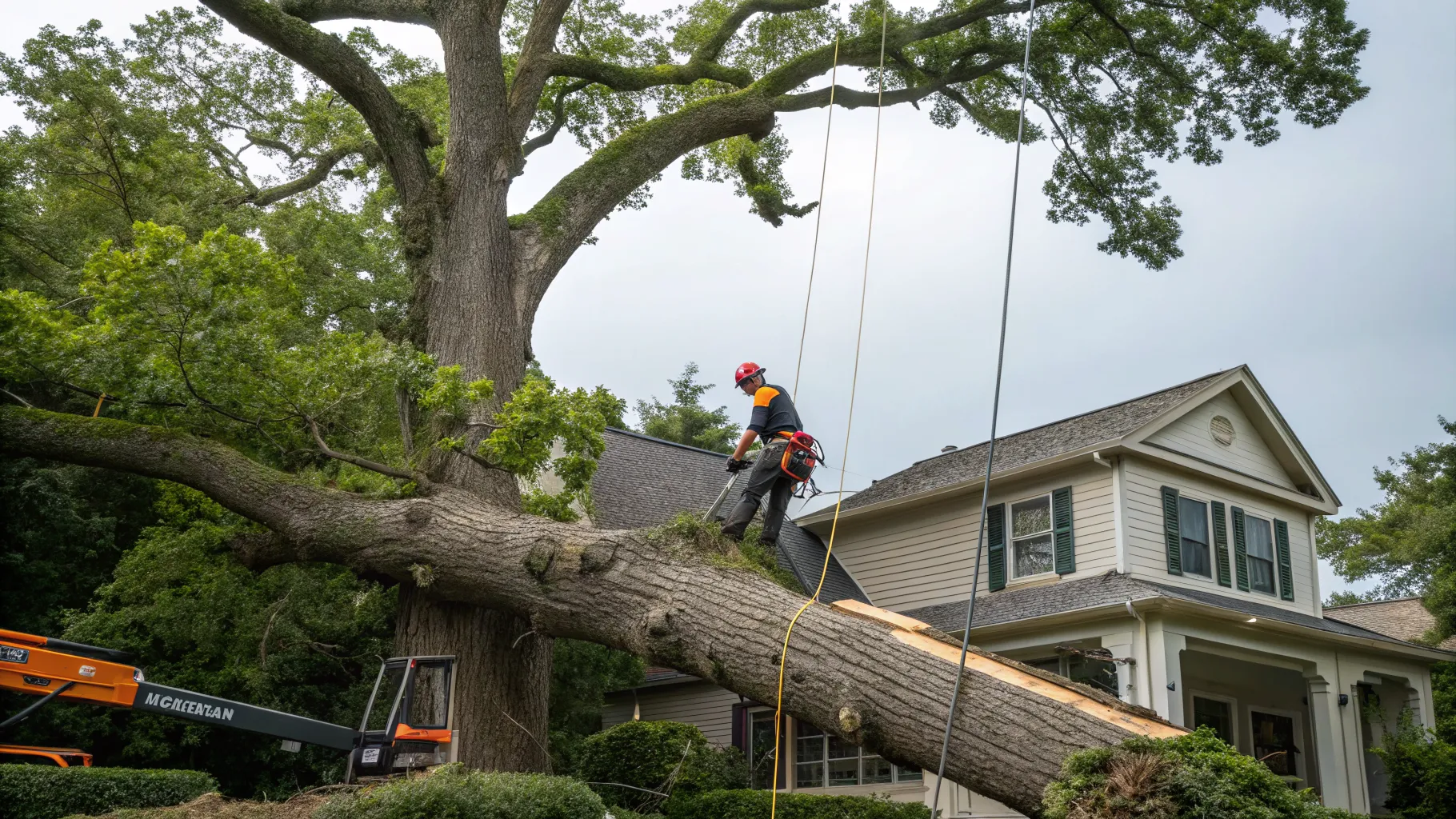
Where the tree is situated on your property profoundly impacts tree removal costs. Trees located in open, easily accessible areas where heavy machinery can operate freely will be less expensive to remove. Conversely, trees near structures (houses, fences, power lines), overhanging obstacles, or in confined spaces require meticulous planning, manual labor, and often specialized rigging equipment to ensure safety and prevent damage. This intricate work significantly drives up tree removal costs, as it demands greater skill, precision, and time from the arborist services team. Difficult terrain or slopes can also complicate the process, adding further to the overall expense.
Tree Condition and Health
The overall condition of the tree is another vital factor influencing tree removal costs. A healthy, structurally sound tree can often be removed more straightforwardly. However, a diseased, dead, or severely damaged tree (e.g., from a storm) can pose unique challenges. Weakened branches are unpredictable, increasing the risk for workers and requiring extra precautions. Trees with extensive decay or internal damage may need to be dismantled in smaller, more controlled sections, which is a slower and more labor-intensive process, thus raising the tree removal costs. Hazardous trees, particularly those at risk of falling, often incur higher emergency service fees.
Additional Services: Stump Grinding and Debris Removal
Beyond the initial tree felling, property owners often consider additional services that contribute to the total tree removal costs. Stump grinding is a common request to eliminate the remaining stump, preventing regrowth and clearing the area for new landscaping. The cost of stump grinding varies based on the stump's diameter and root system depth. Similarly, debris removal – chipping branches and hauling away logs – is typically included in professional quotes, but some services may offer a reduced rate if you opt to manage the debris yourself. It's important to clarify these inclusions when obtaining quotes to understand the full scope of arborist services and avoid hidden fees.
Comparing Professional Tree Removal Services vs. DIY
While the idea of saving money by attempting DIY tree removal might seem appealing, it's crucial to understand the inherent risks and long-term implications. Professional tree removal services come with specialized equipment, extensive training, and comprehensive insurance coverage, mitigating the dangers of falling limbs, property damage, and personal injury. DIY approaches often lead to unforeseen expenses, such as renting inadequate equipment, medical bills from accidents, or costly repairs to your home or landscape. Furthermore, improper removal can leave hazardous stumps or an unstable environment. When considering tree removal costs, the peace of mind and safety provided by certified arborist services often far outweigh the perceived savings of a do-it-yourself project, particularly for larger or more complex trees.
Smart Strategies for Managing Tree Removal Costs
Obtain Multiple Quotes: Always contact at least three different arborist services for detailed, written estimates. Compare not just the price, but also the scope of work, insurance coverage, and timelines. This helps you understand the market rate for tree removal costs in your area.
Schedule During Off-Peak Seasons: In many regions, tree removal services are busier during specific times of the year (e.g., after storms or during spring cleanup). Scheduling non-emergency removals during slower periods might offer more competitive pricing. Ask providers if they have any seasonal discounts or if their rates fluctuate.
Bundle Services: If you have multiple trees needing attention or require additional services like stump grinding or pruning, inquire about bundling options. Many companies offer reduced rates for comprehensive projects, which can significantly lower your overall tree removal costs per item.
Consider Debris Management: If you're physically capable and have a use for the wood (firewood) or mulch (gardening), discuss the option of handling the debris removal yourself. This can sometimes reduce the labor component of the tree removal costs, though ensure it's a safe and manageable task for you.
Understand Insurance Coverage: Confirm that the arborist services provider is fully insured (liability and worker's compensation). While this doesn't directly reduce your immediate tree removal costs, it protects you from financial responsibility in case of accidents or property damage during the removal process, preventing potentially massive unforeseen expenses.
Frequently Asked Questions
What is the average range for tree removal costs?
The average tree removal costs can vary significantly, typically ranging from $200 for a small tree to over $2,000 for a very large, complex tree. Factors such as size, location, accessibility, and additional services like stump grinding heavily influence the final price.
Does tree size and type really impact the cost that much?
Absolutely. Tree size and type are among the most critical factors. Larger trees require more specialized equipment, more labor, and more time for safe removal. Hardwood trees are also generally more difficult and therefore more expensive to remove than softer woods, directly affecting overall tree removal costs.
Is stump grinding usually included in the tree removal costs quote?
Not always. While some arborist services may include stump grinding in a comprehensive quote, it is often an optional add-on service. Always clarify whether stump grinding and debris removal are part of the initial estimate or if they incur separate charges when discussing tree removal costs.
Why is tree accessibility so important for pricing tree removal services?
Tree accessibility is crucial because it dictates the ease and safety of the removal process. Trees in open spaces are cheaper to remove. Trees near power lines, buildings, or in confined areas demand more precise, manual, and time-consuming techniques, which significantly increases tree removal costs due to the added risk and labor complexity.
References
- Industry standards for professional arboriculture practices and safety guidelines.
- Data from national landscaping and tree care associations on average service costs.
- Expert advice from certified arborists on factors affecting project pricing.
- Homeowner surveys regarding common challenges and costs in property maintenance.
Authored by MyTrendSpot team