Ultimate Guide to Heavy-Duty Diesel Generator for Home Use: Ensuring Reliable Backup Power
Facts:
- Diesel generators offer superior longevity and robust performance.
- Demand for residential diesel generator solutions is trending upward for enhanced home security.
Understanding the Indispensable Role of a Heavy-Duty Diesel Generator for Home Backup Power
In an increasingly unpredictable world, ensuring uninterrupted electricity for your home is paramount. A heavy-duty diesel generator stands as a robust and reliable solution for providing consistent home backup power, protecting your family and assets from unforeseen outages. Unlike other alternatives, these powerful units are engineered for endurance, efficiency, and sustained operation, making them a wise investment for any homeowner seeking ultimate peace of mind. Investing in a quality residential diesel generator means safeguarding your home against power disruptions caused by extreme weather, grid failures, or unexpected technical issues, maintaining essential services and comfort.
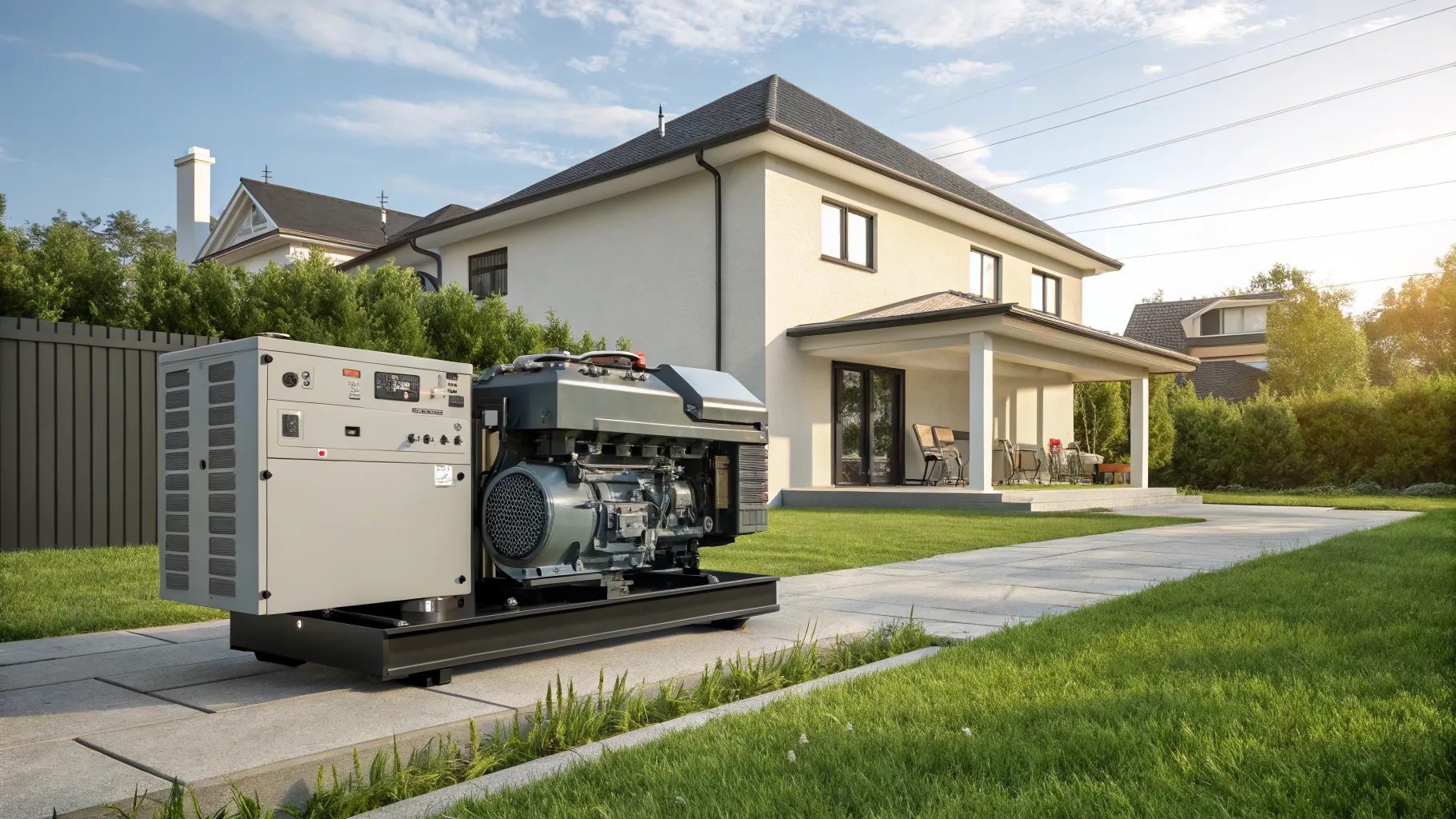
Key Advantages of Residential Diesel Generators for Uninterrupted Power
The benefits of opting for a heavy-duty diesel generator for your home are numerous and compelling. Diesel engines are renowned for their durability and long operational lifespan, often outlasting gasoline or natural gas counterparts when properly maintained. Their superior fuel efficiency means longer run times on a single tank, a crucial factor during extended power outages. Furthermore, diesel fuel is safer to store than gasoline due to its lower flammability, reducing associated risks for homeowners. The robust construction and reliable performance of these units make them an ideal choice for sustained home backup power, providing consistent energy to critical appliances and systems without interruption.
Choosing the Right Heavy-Duty Diesel Generator for Your Home
Selecting the appropriate residential diesel generator requires careful consideration of several factors to ensure it meets your specific needs. First, determine your power requirements by calculating the total wattage of essential appliances and systems you wish to run simultaneously during an outage. Consider the generator's size, noise level, and fuel tank capacity, as these will directly impact its suitability for your property and local regulations. It's also vital to research reputable brands known for their reliability and customer support. Comparing features like automatic transfer switches, remote monitoring capabilities, and warranty options will help you make an informed decision for your ideal heavy-duty diesel generator solution. Many modern diesel generators also offer advanced features that enhance user experience and prolong operational life.
Diesel vs. Other Generator Types: A Performance Comparison
When evaluating options for home backup power, the comparison between diesel, gasoline, and natural gas generators often arises. Diesel generators typically offer better fuel efficiency, greater longevity, and a more consistent power output under heavy loads. While initial costs for a heavy-duty diesel generator might be higher, their lower operational costs, reduced maintenance needs, and extended lifespan often result in better long-term value. Gasoline generators are generally more portable and less expensive upfront but have higher fuel consumption and shorter run times. Natural gas generators offer a continuous fuel supply if connected to a utility line but may suffer from lower efficiency and dependency on grid infrastructure. For robust and reliable long-term backup, diesel often emerges as the superior choice.
Installation and Safety Considerations for Home Diesel Generators
Proper installation of a residential diesel generator is critical for both its efficient operation and your family's safety. This complex task should always be performed by a certified electrician who can ensure compliance with local building codes and electrical standards. Key considerations include selecting an appropriate outdoor location with adequate ventilation, away from windows and doors, to prevent carbon monoxide buildup. The generator must be placed on a level, stable surface and secured to prevent movement. Proper wiring, including the installation of an automatic transfer switch (ATS), is essential to safely disconnect from the utility grid and prevent backfeeding. Adhering to these stringent installation guidelines ensures your heavy-duty diesel generator operates safely and effectively, providing reliable home backup power when you need it most.
Essential Maintenance for Longevity and Fuel Efficiency
To maximize the lifespan and ensure the peak performance of your heavy-duty diesel generator, consistent and thorough maintenance is indispensable. Regular checks should include monitoring oil levels, inspecting air filters, and ensuring the fuel system is free of contaminants. Diesel fuel can degrade over time, so proper storage and periodic replacement are vital for preventing issues. Battery checks are also crucial, as a dead battery will prevent the generator from starting. Following the manufacturer’s recommended service schedule, which often includes professional inspections, will help identify potential issues before they become major problems. Proactive generator maintenance not only extends the unit's operational life but also optimizes its fuel efficiency, ensuring it’s always ready to deliver reliable home backup power.
Maximizing Your Home Backup Power System's Performance
- Regular Exercise Runs: Operate your heavy-duty diesel generator for 20-30 minutes monthly under a load to keep components lubricated and ensure readiness. This is a critical part of effective generator maintenance.
- Fuel Management: Use high-quality diesel fuel and consider fuel stabilizers if storing fuel for extended periods. This helps maintain fuel efficiency and prevents fuel degradation.
- Professional Servicing: Schedule annual inspections and servicing by a qualified technician to address wear and tear and perform comprehensive diagnostics. This expert oversight is invaluable for the longevity of your residential diesel generator.
- Load Management: Avoid overloading your generator by prioritizing essential appliances during an outage. Understanding your power budget prevents strain and ensures efficient operation.
- Keep it Clean and Ventilated: Ensure the generator's surroundings are free from debris and that it has adequate airflow. Proper ventilation is key to preventing overheating and prolonging the life of your home backup power system.
Frequently Asked Questions
How often should I run my heavy-duty diesel generator for maintenance?
It is generally recommended to run your heavy-duty diesel generator for at least 20-30 minutes once a month, preferably under a light load, to keep its engine components lubricated and ensure it is ready for operation. This practice is crucial for effective generator maintenance.
What type of fuel is best for my residential diesel generator?
Your residential diesel generator should use high-quality diesel fuel, often ultra-low sulfur diesel (ULSD). Always consult your generator's owner's manual for specific fuel recommendations to ensure optimal performance and fuel efficiency.
Can a heavy-duty diesel generator be installed indoors for home backup power?
No, a heavy-duty diesel generator should never be installed indoors. They produce hazardous carbon monoxide fumes and require significant ventilation. Always install your generator in a well-ventilated outdoor location, far from windows, doors, and vents, to safely provide home backup power.
References
- National Electrical Code Guidelines for Standby Generators
- Consumer Reports Guide to Home Generators
- Diesel Technology Forum on Generator Efficiency
- Environmental Protection Agency (EPA) Emissions Standards for Generators
- Power Generation Industry Association Best Practices
Authored by MyTrendSpot team