A Comprehensive Guide to South Africa Safaris
South Africa stands as one of the world's most compelling safari destinations, offering an unparalleled opportunity to witness breathtaking wildlife in their natural habitats. From the expansive plains of Kruger National Park to the rugged beauty of its coastal reserves, the country provides a diverse array of experiences for every type of traveler. A safari here is more than just a trip; it is an immersive journey into the heart of African wilderness, where ancient rhythms of nature unfold before your eyes.
Why Choose South Africa for a Safari?
South Africa is celebrated globally for its exceptional biodiversity and well-managed national parks and private game reserves. It is one of the few places where visitors can reliably spot the 'Big Five' which includes lion, leopard, elephant, rhino, and buffalo. The country's commitment to conservation efforts ensures robust wildlife populations and pristine environments.
Beyond the rich wildlife, South Africa offers a well-developed tourism infrastructure, making safaris accessible and comfortable. Options range from luxurious private lodges with gourmet dining and expert guides to more affordable self-drive adventures. The blend of wildlife viewing with cultural experiences, stunning landscapes, and modern amenities makes it an attractive choice for both first-time safari-goers and seasoned adventurers.
Iconic Safari Destinations
South Africa boasts several world-renowned safari locations, each offering a unique experience. Kruger National Park is perhaps the most famous, covering vast areas in the northeastern part of the country. It is home to an incredible concentration of wildlife, making it a prime spot for viewing the Big Five and countless other species. Kruger offers both public rest camps for self-drivers and numerous private lodges within its boundaries and in adjacent private reserves like Sabi Sand.
Other notable destinations include Pilanesberg National Park, located near Johannesburg, a popular choice for shorter trips due to its malaria-free status and excellent wildlife viewing in a unique geological setting. Addo Elephant National Park, in the Eastern Cape, specializes in elephant sightings and is also malaria-free. For a different marine and coastal wildlife experience, the Western Cape offers whale watching and opportunities to see penguins and seals, often complementing a traditional bush safari.
Understanding Safari Types
Safari experiences in South Africa vary significantly, catering to different preferences and budgets. Guided safaris, often provided by private lodges or tour operators, offer a fully immersive experience with expert rangers and trackers. These typically include game drives in open-sided vehicles, walking safaris, and often luxurious accommodation, focusing on intimate wildlife encounters and personalized service.
Self-drive safaris are a popular and more budget-friendly option, particularly in parks like Kruger. Visitors rent a vehicle and navigate the park themselves, following designated routes. This offers flexibility and a sense of independence, allowing you to set your own pace and spend as much time as desired at sightings. Additionally, there are budget-friendly options like mobile safaris and camping safaris, which provide a more rustic and adventurous approach to wildlife viewing.
What to Expect on a Game Drive
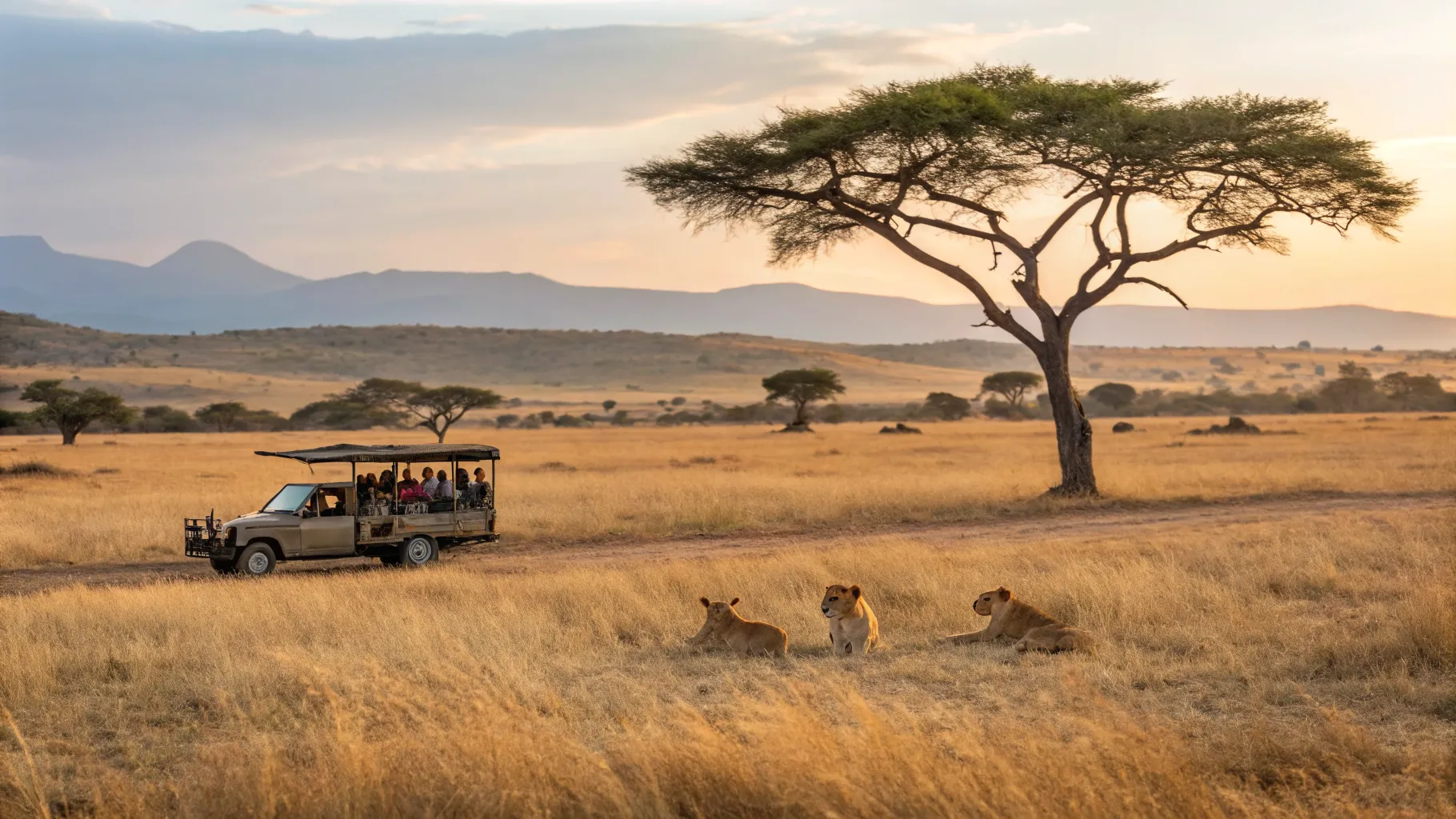
A typical game drive involves exploring the wilderness in a specially designed open-sided vehicle, usually led by a knowledgeable ranger or guide. These drives typically occur early in the morning and late in the afternoon, as these are the times when animals are most active. Guides are skilled at tracking animals and providing insightful commentary on their behavior, habitat, and the ecosystem.
During a game drive, you can expect to encounter a wide variety of animals, from large mammals to various bird species. Patience is often key, as wildlife sightings cannot be guaranteed. Guides often communicate with each other to share information about recent sightings, enhancing the chances of encountering specific animals. Remember to follow your guide's instructions for safety and to respect the animals' natural environment.
Best Time to Visit
The optimal time for a safari in South Africa largely depends on your priorities, but generally, the dry winter months from May to September are considered ideal for wildlife viewing. During this period, vegetation is sparse, making animals easier to spot, and they tend to congregate around water sources. The weather is also cooler and less humid, reducing the risk of malaria in certain areas.
The summer months, from October to April, bring lush green landscapes and the birthing season for many animals, offering excellent opportunities to see young wildlife. This is also a fantastic time for birdwatching as migratory birds arrive. However, summer can be hot and humid, and some areas may experience heavy rainfall, which can make animal tracking more challenging. Consider your preferences for weather, wildlife viewing, and crowd levels when planning your trip.
Essential Packing List
Preparing appropriately for a South African safari enhances your experience significantly. Here is a list of items to consider packing:
- Clothing: Layers are crucial. Pack neutral-colored clothing, comfortable walking shoes, a wide-brimmed hat, and a warm jacket for chilly mornings and evenings.
- Sun Protection: High-SPF sunscreen, sunglasses, and lip balm are essential, regardless of the season.
- Insect Repellent: Especially important for areas with malaria risk, choose a repellent with DEET.
- Camera Gear: A good camera with a zoom lens, extra batteries, and sufficient memory cards to capture all your memories.
- Binoculars: Indispensable for spotting distant wildlife and enhancing your viewing experience.
- First-Aid Kit: Include personal medications, pain relievers, anti-diarrhea medication, and any other necessary items.
- Documents: Passport, visa (if required), flight tickets, safari booking confirmations, and travel insurance details.
Responsible Safari Tourism
Engaging in responsible tourism practices is vital to preserving South Africa's natural heritage and supporting local communities. When on safari, always adhere to park rules and your guide's instructions. This includes maintaining a safe distance from animals, not feeding them, and refraining from littering. Support lodges and operators that demonstrate a commitment to conservation and ethical wildlife practices.
Consider choosing safari companies that employ local staff, contribute to community development projects, and prioritize environmentally friendly operations. By making conscious choices, you can ensure that your safari experience not only provides incredible memories but also contributes positively to the conservation of wildlife and the well-being of the people in the regions you visit.
Authored by MyTrendSpot team