Exploring the World of High-End Mountain Bikes
High-end mountain bikes are more than just a means of transport; they are precision instruments crafted for performance on demanding terrains. These bicycles incorporate advanced materials, cutting-edge technology, and meticulous design to deliver an unparalleled riding experience. For many, investing in a high-end mountain bike is about pushing personal limits, tackling challenging trails with confidence, and enjoying the thrill of the ride with superior control and efficiency. This guide explores the characteristics, categories, and considerations involved in understanding the high-end mountain bike market.
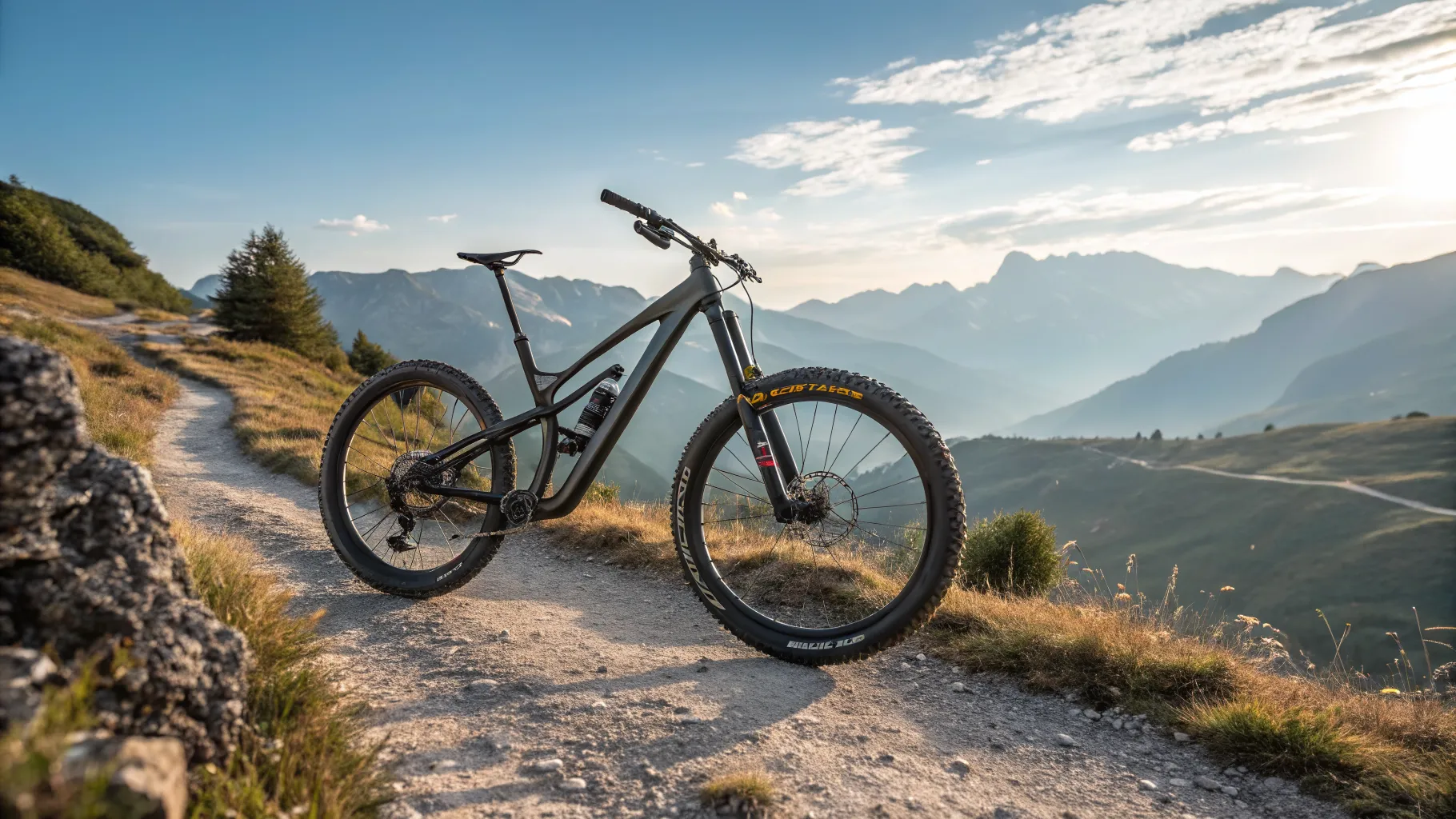
What Defines a High-End Mountain Bike?
Distinguishing a high-end mountain bike from its more entry-level counterparts often comes down to a combination of factors, including frame material, component quality, suspension technology, and overall design philosophy. These bikes are built for serious riders who demand the best in terms of performance, weight, and reliability.
Typically, a high-end bike will feature lightweight yet incredibly strong materials, advanced suspension systems offering precise adjustability, and top-tier drivetrains and brakes from renowned manufacturers. The integration of technology, such as electronic shifting or advanced hydraulic systems, also plays a significant role in their classification.
Specialized Categories of High-End Mountain Bikes
The world of high-end mountain biking is diverse, with bikes specialized for different riding styles and terrains. Understanding these categories is crucial for finding a bike that matches specific needs and preferences.
- Cross-Country (XC) Bikes: Designed for efficiency and speed on varied terrain, often featuring lighter frames and less suspension travel, prioritizing climbing ability and nimble handling.
- Trail Bikes: The most versatile category, offering a balance of climbing efficiency and descending capability, with moderate suspension travel suitable for a wide range of trails.
- Enduro Bikes: Built for aggressive descending and racing against the clock on downhill sections, while still capable of climbing. They feature longer suspension travel and more robust frames.
- Downhill (DH) Bikes: Pure gravity machines with maximum suspension travel and extremely strong frames, designed to absorb huge impacts and excel on the steepest, most technical descents.
- E-Mountain Bikes (eMTB): High-end electric mountain bikes incorporate powerful motors and batteries, offering assistance on climbs and extending the range of rides, available across various disciplines.
Advanced Frame Materials and Construction
The frame is the heart of any mountain bike, and in the high-end segment, materials and construction techniques are paramount. Carbon fiber is perhaps the most prevalent material, prized for its exceptional strength-to-weight ratio and its ability to be molded into complex shapes for optimized stiffness and compliance.
Other premium materials include high-grade aluminum alloys, which offer excellent durability and value, and occasionally titanium, known for its unique ride quality, corrosion resistance, and longevity. The way these materials are engineered, from specific carbon layups to hydroformed aluminum tubing, contributes significantly to the bike's overall performance characteristics.
Cutting-Edge Components and Technology
High-end mountain bikes are equipped with components that represent the pinnacle of bicycle technology. This includes sophisticated suspension systems from brands like Fox and RockShox, offering multiple adjustments for compression, rebound, and lockout to fine-tune performance for any trail condition.
Drivetrains, often from Shimano or SRAM, feature a wide range of gears, precise shifting, and lightweight construction, sometimes incorporating electronic shifting for instantaneous and effortless gear changes. High-performance hydraulic disc brakes provide consistent and powerful stopping power, essential for control on steep descents. Furthermore, wheelsets are typically lightweight and strong, often carbon, designed to withstand impacts while providing excellent rolling efficiency.
Factors to Consider When Investing in a High-End Mountain Bike
Choosing a high-end mountain bike involves careful consideration beyond just the price tag. Riders should first assess their primary riding style and the type of terrain they most frequently encounter. This will help narrow down the appropriate bike category.
Geometry is another critical factor; different frame angles and tube lengths significantly impact how a bike handles and feels. It is also important to consider long-term maintenance, availability of spare parts, and the support offered by the manufacturer or local bike shops for specialized components and suspension systems. Test rides, if possible, are invaluable for understanding how a bike truly performs and feels under actual riding conditions.
Maintaining Your High-End Mountain Bike
A high-end mountain bike is a significant investment that requires regular and meticulous maintenance to ensure its longevity and peak performance. Routine cleaning after rides is essential to prevent dirt and grime from damaging components. Special attention should be given to the drivetrain, suspension seals, and pivot points.
Periodic professional servicing, particularly for suspension forks, rear shocks, and hydraulic brakes, is highly recommended. These complex systems benefit from expert attention to ensure they function correctly and safely. Staying on top of wear and tear, such as checking tire pressure, chain wear, and bolt torque, will preserve the bike's components and maintain its superior ride quality over many years of use.
Authored by MyTrendSpot team