Navigating the Market for Backhoe Loaders: A Comprehensive Guide
Backhoe loaders are a staple on many construction sites, known for their versatility and efficiency. These powerful machines combine the capabilities of a front-end loader and a rear-mounted backhoe, making them indispensable for a wide range of tasks from digging trenches to lifting materials and clearing debris. Understanding their functionality and the various options available is key to making an informed decision when considering acquiring one.
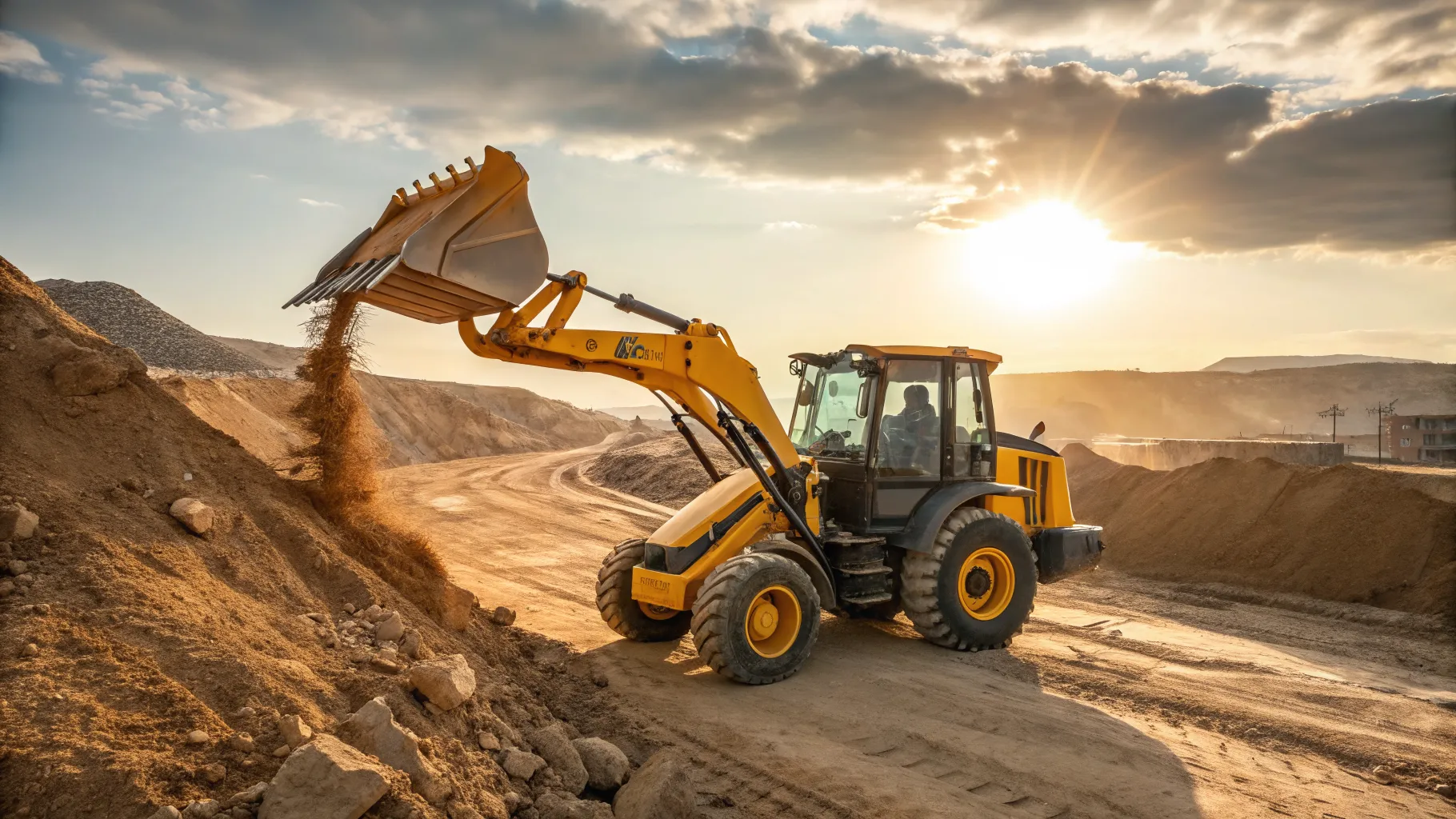
Understanding Backhoe Loaders and Their Versatility
A backhoe loader is essentially a tractor-like unit fitted with two distinct attachments: a loader bucket at the front and a backhoe arm at the rear. This dual functionality is what makes these machines so adaptable across different job sites and applications, eliminating the need for separate pieces of equipment for loading and excavating tasks.
The front loader is designed for scooping, lifting, and transporting materials such as dirt, gravel, sand, or snow. It can also be used for grading and backfilling. The rear backhoe attachment, on the other hand, excels at digging trenches, excavating foundations, breaking asphalt, and performing other precise digging operations. This combination offers significant operational flexibility.
Key Components and Features to Look For
When evaluating backhoe loaders, several key components and features deserve attention. The engine power, hydraulic system, and transmission are fundamental to the machine's performance and efficiency. Modern backhoes often come with advanced hydraulic systems that provide smoother operation and better control for both the loader and the backhoe functions.
Other important features include the type of cab (open or enclosed, with heating and air conditioning for operator comfort), steering options (2-wheel drive or 4-wheel drive for enhanced traction), and specialized attachments. Extendable dipper sticks, hydraulic quick couplers for easy attachment changes, and ride control systems for smoother travel are also common enhancements.
Different Types and Sizes of Backhoe Loaders
Backhoe loaders come in various sizes and configurations to suit different project needs. Compact models are ideal for smaller sites or tasks requiring greater maneuverability in tight spaces, often found in landscaping or residential construction. Standard-sized backhoes are the most common, offering a balance of power, digging depth, and lifting capacity for general construction and utility work.
Beyond size, distinctions can be made based on engine power, digging depth, and outreach. Some heavy-duty models are designed for more demanding applications, featuring larger engines and robust hydraulic systems capable of handling tougher materials and deeper excavations. The choice often depends on the typical workload and environmental conditions.
Considering New Versus Used Equipment
Deciding between a new or used backhoe loader involves weighing several factors. New machines offer the latest technology, better fuel efficiency, manufacturer warranties, and typically fewer maintenance issues in the initial years. However, they come with a significantly higher upfront cost, which might not be feasible for all budgets or project scales.
Used backhoes can be a cost-effective alternative, allowing buyers to acquire a powerful machine at a lower price point. The used market offers a wide selection, but requires careful inspection and due diligence to ensure the machine is in good working order and has a well-documented service history. The depreciation curve for heavy equipment can make a used purchase a smart financial move if chosen wisely.
Essential Maintenance Practices for Longevity
Regardless of whether a backhoe loader is new or used, consistent and proper maintenance is crucial for ensuring its longevity and optimal performance. Regular fluid checks (engine oil, hydraulic fluid, coolant), filter replacements, and lubrication of all grease points are fundamental. The operator's manual provides detailed schedules and specifications for these tasks.
Beyond routine servicing, attention should be paid to the machine's tires or tracks, brake systems, and structural integrity. Inspecting for cracks, leaks, or excessive wear on pins, bushings, and cylinders can help identify potential issues before they escalate into costly repairs. A well-maintained backhoe loader is a safer and more reliable asset on any job site.
Where to Find Backhoe Loaders for Acquisition
There are several avenues for acquiring a backhoe loader, each with its own advantages. Authorized dealerships for brands like Caterpillar, John Deere, Case, or JCB are primary sources for new machines and certified used equipment, often offering financing and service packages. These dealers provide expertise and after-sales support.
For used equipment, options expand to include independent equipment dealers, online marketplaces specializing in heavy machinery, equipment auctions, and direct sales from other contractors. Online platforms provide a broad reach, allowing buyers to compare numerous options from various sellers. Auctions can offer competitive pricing, but usually require quick decision-making and pre-inspection. Networking with other professionals in the industry can also uncover direct selling opportunities.
Evaluating the Condition of a Used Backhoe Loader
When considering a used backhoe loader, a thorough evaluation of its condition is paramount. This includes a detailed inspection of the engine for any unusual noises, smoke, or leaks, and checking the hydraulic system for smooth operation, responsiveness, and signs of cylinder leakage. The condition of the tires or undercarriage should also be assessed.
Furthermore, inspect the loader bucket and backhoe attachments for excessive wear, cracks, or repairs. Pay attention to the pins and bushings, as loose components can indicate significant operational hours or neglected maintenance. Requesting service records and a professional mechanical inspection can provide valuable insight into the machine's past and current health, helping to prevent unexpected future costs.
Authored by MyTrendSpot team