Unlock Lasting Relief: Exploring Advanced Laser Therapy for Chronic Migraine
Facts:
- Migraine affects over 1 billion people worldwide.
- Emerging therapies show promise for chronic migraine relief.
Revolutionizing Migraine Treatment: The Science Behind Advanced Laser Therapy
For individuals burdened by debilitating headaches, the quest for effective chronic migraine relief is ongoing. Traditional treatments often provide temporary respite, but the advent of advanced laser therapy presents a transformative approach. This innovative method, harnessing specific light wavelengths, offers a promising avenue for reducing migraine frequency and intensity, significantly enhancing patients' quality of life without the side effects associated with pharmacological interventions.
Understanding Photobiomodulation for Migraines
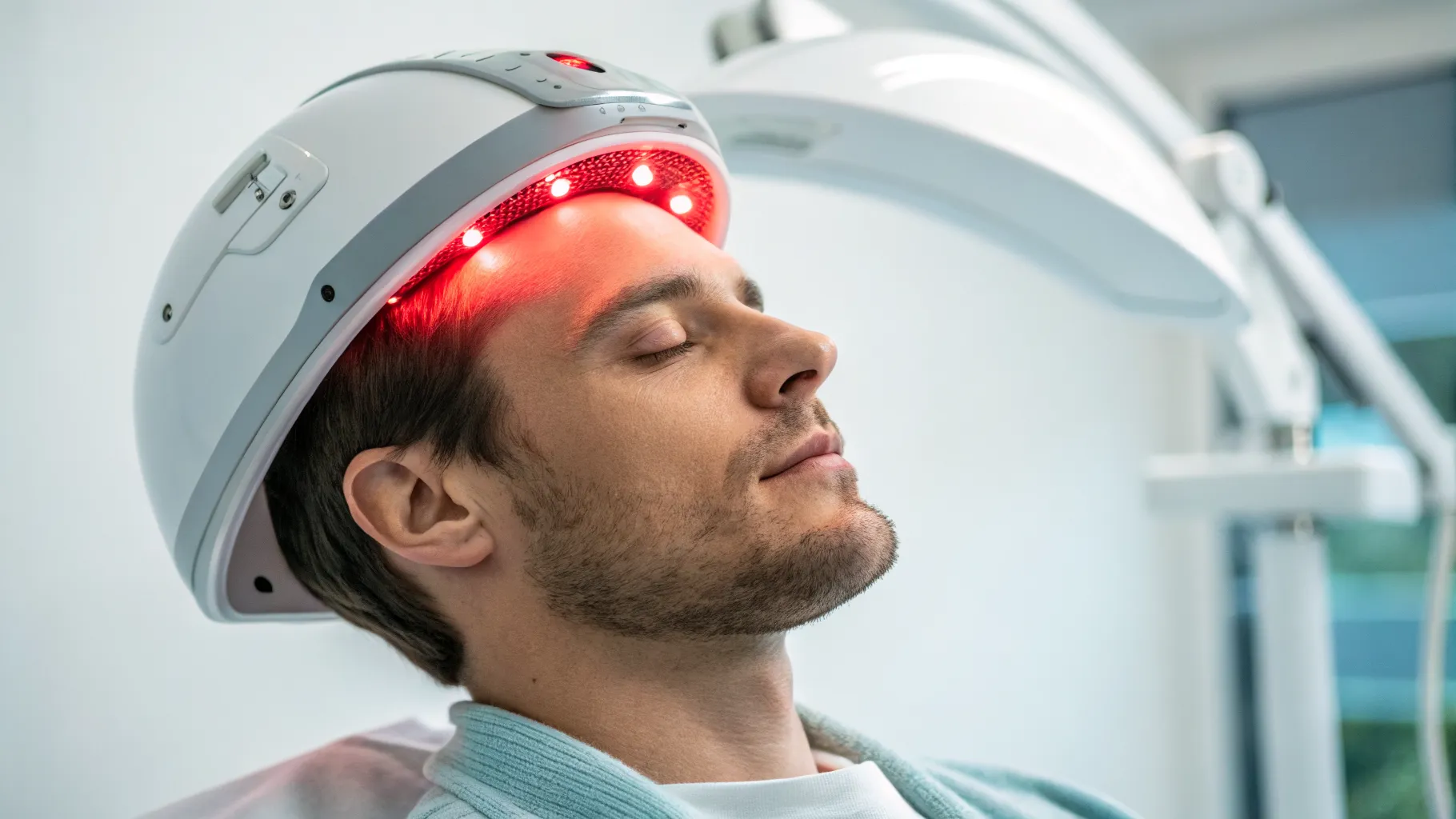
Photobiomodulation for migraines, also known as low-level laser therapy (LLLT), involves applying low-power lasers or LEDs to the scalp or specific points on the head and neck. The light photons penetrate the tissue, stimulating cellular function by interacting with chromophores in the mitochondria. This interaction leads to a cascade of beneficial cellular responses, including increased ATP production, reduced inflammation, and improved cellular repair. For migraine sufferers, this means a potential decrease in neural inflammation and a normalization of brain activity implicated in migraine pathology, ultimately offering a viable non-invasive migraine solution.
The Mechanism of Action: How Advanced Laser Therapy Alleviates Migraines
The precise mechanisms by which advanced laser therapy provides chronic migraine relief are multifaceted. Firstly, it exerts an anti-inflammatory effect by reducing pro-inflammatory cytokines and increasing anti-inflammatory mediators. Inflammation of the trigeminal nerve, a key player in migraine, is often a significant contributor to pain. LLLT can directly modulate this inflammatory response. Secondly, it influences nitric oxide production, which can lead to vasodilation and improved blood flow in areas often constricted during a migraine attack. Thirdly, photobiomodulation for migraines can modulate neuronal excitability and pain signaling pathways. By influencing mitochondrial function, it helps stabilize neuronal membranes and reduce hyperexcitability, a hallmark of migraine brains. This comprehensive cellular and neural modulation makes it an attractive option for those seeking sustained chronic migraine relief.
Advantages of Low-Level Laser Therapy as a Non-Invasive Migraine Solution
The appeal of low-level laser therapy as a non-invasive migraine solution is substantial. Unlike many conventional treatments that come with systemic side effects, LLLT is localized and generally very well-tolerated. It avoids the gastrointestinal issues, drowsiness, or cardiovascular risks associated with some oral medications. Furthermore, it offers an alternative for patients who may not respond to pharmacological interventions or who are looking for adjunctive therapies. The convenience of treatments, often performed in short sessions, and the lack of downtime are significant benefits. Patients can integrate LLLT into their routine without significant disruption, offering a sustainable path toward reducing migraine burden and achieving consistent chronic migraine relief.
Comparing Advanced Laser Therapy with Traditional Migraine Treatments
When considering options for chronic migraine relief, patients often weigh the benefits and drawbacks of various approaches. Traditional pharmacological treatments, such as triptans, CGRP inhibitors, and Botox injections, have their place but also present limitations. Triptans are acute medications, effective for stopping an attack but not preventing it, and can have cardiovascular contraindications. CGRP inhibitors represent a newer class of preventive medications but can be costly and may have side effects for some. Botox injections target specific muscle groups to reduce headache frequency, but require repeated administrations and can be invasive. In contrast, advanced laser therapy provides a unique, drug-free, and pain-free alternative. It works at a cellular level to address the underlying physiological dysfunctions contributing to migraines, offering a comprehensive and sustainable pathway to photobiomodulation for migraines without the systemic drug exposure. This positions low-level laser therapy as a powerful, complementary or standalone non-invasive migraine solution.
Practical Application: Integrating Advanced Laser Therapy into Your Wellness Routine
For individuals seeking long-term chronic migraine relief, integrating advanced laser therapy into a holistic wellness routine can be highly beneficial. It typically involves a series of in-clinic sessions, often scheduled a few times a week initially, followed by maintenance sessions as needed. Patients can consult with healthcare providers specializing in pain management or integrative medicine to determine the most appropriate treatment protocol. Many clinics use specific devices designed for optimal penetration and therapeutic effect, ensuring the precise application of low-level laser therapy. Complementing LLLT with other lifestyle adjustments, such as stress management techniques, dietary modifications, and regular exercise, can further enhance outcomes and contribute to overall well-being, solidifying its role as an effective non-invasive migraine solution.
Frequently Asked Questions
Is Advanced Laser Therapy Safe for Chronic Migraine Relief?
Yes, advanced laser therapy is generally considered safe when administered by trained professionals. It is a non-invasive procedure with minimal to no side effects, primarily focusing on stimulating natural healing processes without the risks associated with pharmaceutical interventions.
How Many Sessions of Low-Level Laser Therapy Are Needed for Results?
The number of low-level laser therapy sessions required for noticeable chronic migraine relief can vary depending on individual response and the severity of migraines. Typically, a course of 6-12 sessions is recommended initially, with follow-up maintenance sessions as prescribed by a healthcare professional.
Can Photobiomodulation for Migraines Be Used with Other Treatments?
Absolutely. Photobiomodulation for migraines is often used as an adjunctive therapy alongside conventional treatments. It can complement existing migraine management plans, potentially enhancing their effectiveness and reducing the reliance on medication. Always consult your doctor before combining treatments.
References
- The Journal of Headache and Pain - Studies on Low-Level Laser Therapy.
- Photomedicine and Laser Surgery - Research on Photobiomodulation Mechanisms.
- American Migraine Foundation - Clinical Trials and Emerging Therapies.
Authored by MyTrendSpot team