Effortless Gardening: The Best Compact Gardening Tools for Seniors
Fast Facts:
- Gardening improves senior mobility and mental well-being.
- Demand for ergonomic garden tools for seniors has increased by 15% globally.
Discovering the Ideal Compact Gardening Tools for Seniors for Effortless Cultivation
As we age, the joy of gardening doesn't diminish, but the physical demands can become challenging. Fortunately, advancements in design and technology have led to a remarkable array of compact gardening tools for seniors that make tending to your green space not only possible but genuinely enjoyable. These tools are specifically engineered to reduce strain, enhance comfort, and provide optimal leverage, transforming arduous tasks into simple pleasures. From planting delicate seedlings to managing stubborn weeds, selecting the right senior-friendly garden tools can dramatically improve your gardening experience, ensuring that your passion for plants continues to flourish without discomfort.
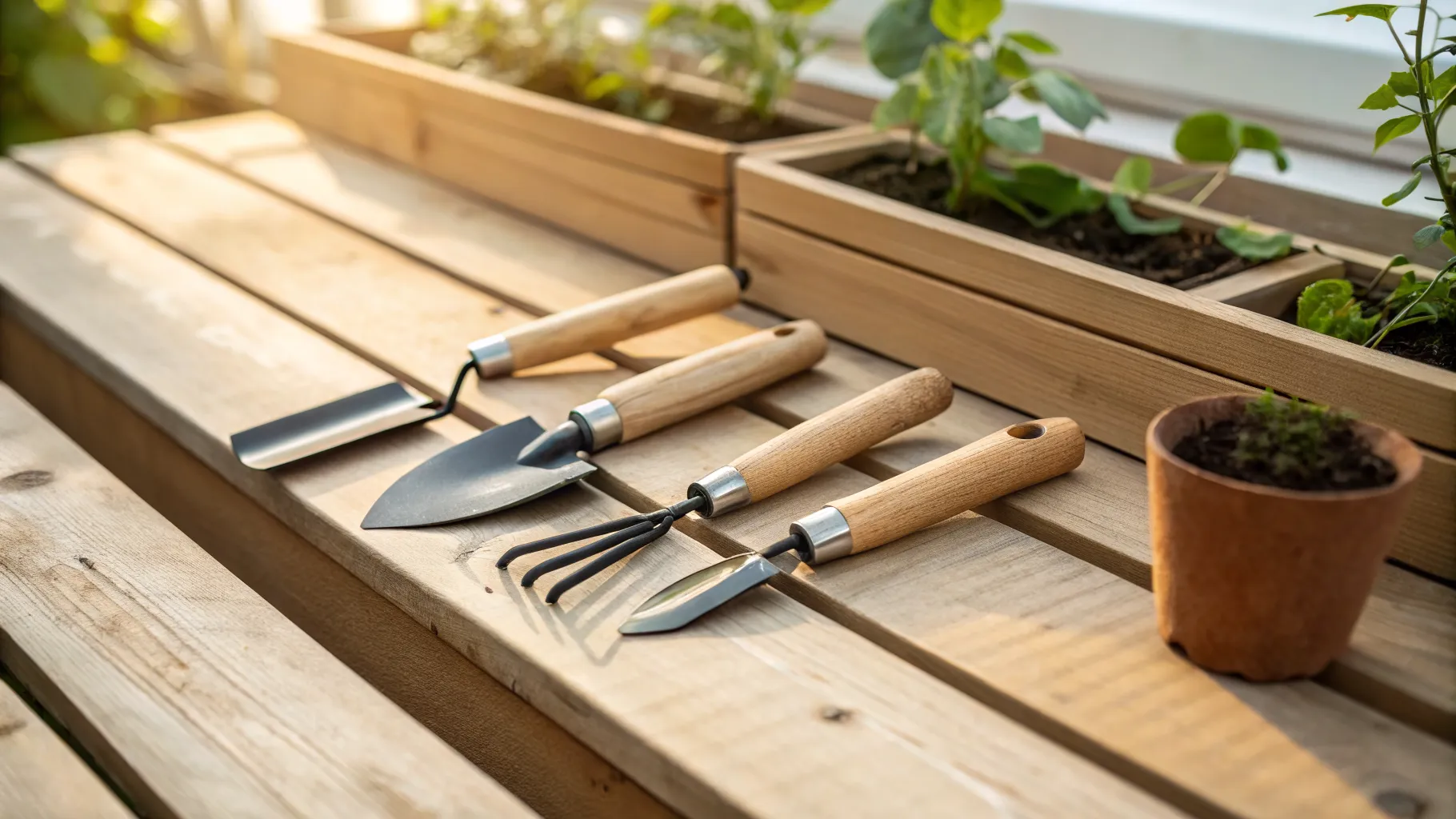
The Benefits of Lightweight Gardening Equipment for Senior Gardeners
The primary advantage of opting for lightweight gardening equipment is the significant reduction in physical strain on joints, muscles, and the back. Heavier tools can exacerbate conditions like arthritis or simply lead to quicker fatigue, cutting short precious gardening time. Lighter tools allow seniors to engage in gardening for longer periods with less discomfort, promoting a more consistent and enjoyable hobby. This shift toward lighter materials, such as aluminum and reinforced plastics, ensures that functionality isn't sacrificed for weight, providing the strength needed for various tasks without the burdensome heft.
Beyond physical comfort, the portability of compact gardening tools for seniors is a game-changer. These tools are easier to carry across different garden beds, up and down steps, or to different sections of a larger property. Their reduced bulk also simplifies storage, often fitting into smaller sheds, toolboxes, or even hanging neatly in a utility area without demanding excessive space. This enhanced accessibility makes gardening a less daunting prospect, encouraging more frequent engagement and a greater sense of independence for senior gardeners.
Essential Ergonomic Garden Tools for Reduced Strain
Ergonomic Hand Trowels and Cultivators
Ergonomically designed hand trowels and cultivators are foundational for any senior gardener's toolkit. These tools often feature specially shaped handles, such as pistol grips or soft, contoured grips, that fit naturally into the hand, reducing the need for excessive gripping force. Many also boast an angled handle, which keeps the wrist in a more neutral position, minimizing stress during digging and scooping. Made from lightweight yet durable materials like stainless steel or high-carbon steel, these compact gardening tools for seniors ensure efficiency in planting, transplanting, and aerating soil without causing fatigue or discomfort.
Long-Handled Weeding Tools
One of the most physically demanding gardening tasks is weeding, often requiring extensive bending and kneeling. Long-handled weeding tools are revolutionary for senior gardeners as they virtually eliminate the need to stoop. Options like stand-up weeders with foot pedals allow users to remove weeds, roots and all, while standing upright. Stirrup hoes or Dutch hoes, also with extended handles, glide through soil to sever weeds just below the surface, offering an efficient and back-friendly solution. These innovative senior-friendly garden tools make maintaining a pristine garden bed a far less strenuous activity.
Pruners and Shears with Ratchet Mechanisms
For those with reduced hand strength or conditions like arthritis, traditional pruners can be challenging to operate. Ratchet-action pruners are a fantastic innovation, allowing users to make cuts in several stages with minimal effort. Each squeeze of the handle clicks the blade a little further through the branch, significantly multiplying the applied force and making tough cuts feel effortless. Paired with soft, anti-slip grips and safety locks, these ergonomic garden tools ensure that deadheading, shaping, and pruning tasks can be accomplished safely and comfortably, extending the life and beauty of plants.
Maximizing Comfort with Adaptive Gardening Aids
Beyond hand tools, several adaptive gardening aids significantly enhance comfort and accessibility for senior gardeners. Gardening kneeling pads, often made from thick, supportive foam, provide cushioning for knees during ground-level tasks. Even better, gardening stools or rolling seats allow gardeners to work at a comfortable seated height, reducing strain on the back and legs. These rolling seats are particularly beneficial for moving along rows or beds without needing to stand up and sit down repeatedly, turning prolonged gardening sessions into a more relaxed and fluid experience.
Complementing the use of compact gardening tools for seniors are structural garden modifications like raised garden beds and vertical gardens. Raised beds bring the gardening work up to a more accessible height, often eliminating the need for bending entirely. Vertical gardens allow for cultivation at eye level, perfect for herbs and smaller plants, making them ideal partners for smaller, easily maneuverable tools. Together, these aids create an environment where gardening is truly accessible and enjoyable, regardless of physical limitations, fostering a deeper connection with nature.
Smart Storage and Maintenance for Your Senior-Friendly Garden Tools
Proper storage and regular maintenance are crucial for extending the lifespan and ensuring the optimal performance of your senior-friendly garden tools. Always clean tools thoroughly after each use, removing all soil, sap, and debris. A quick wipe-down with an oily rag can prevent rust on metal components. Storing tools in a dry, organized manner—on hooks, in a toolbox, or on a shelving unit—not only keeps them in good condition but also makes them easily accessible for the next gardening session. This attention to detail ensures your investment in quality tools pays off for years to come.
Periodic maintenance, such as sharpening pruner blades and lubricating moving parts, is also vital. Sharp blades make clean cuts, which are healthier for plants and require less force from the gardener. Using a fine-grit sharpening stone or a dedicated tool sharpener can keep edges keen. For tools with moving parts, like ratchet pruners, a drop of lightweight oil can prevent seizing and ensure smooth operation. Embracing these simple maintenance routines for your compact gardening tools for seniors will not only preserve your tools but also enhance your overall gardening efficiency and enjoyment.
Where to Find High-Quality Compact Gardening Tools for Seniors
Finding the right compact gardening tools for seniors involves knowing where to look for quality and reliability. Online retailers offer an extensive selection, often providing detailed product descriptions, customer reviews, and comparative pricing, which can be invaluable for making informed decisions. Websites specializing in adaptive living products or ergonomic solutions are excellent resources. Additionally, established garden supply stores and local nurseries often carry a range of specialized tools and can offer expert advice, allowing you to physically handle and test tools before purchase, ensuring a comfortable fit and feel.
When searching for the best lightweight gardening equipment, it's beneficial to prioritize brands known for their durability and thoughtful ergonomic design. Reading testimonials from other senior gardeners can provide practical insights into the real-world performance and comfort of various tools. Don't hesitate to consult with gardening clubs or community groups, as members often have firsthand experience and recommendations for effective senior-friendly garden tools. Investing in well-regarded tools from reputable sources ensures you're equipped with reliable companions for your gardening endeavors.
Frequently Asked Questions
What defines compact gardening tools for seniors?
Compact gardening tools for seniors are typically characterized by their reduced weight, smaller size, and ergonomic design features. They are engineered to minimize physical strain, improve grip comfort, and provide better leverage, making gardening tasks easier for individuals with limited strength, mobility, or dexterity.
Are lightweight gardening equipment options durable?
Yes, modern lightweight gardening equipment can be very durable. Manufacturers often use advanced materials like aerospace-grade aluminum, reinforced polymers, and stainless steel that offer strength without the heft of traditional tools. Proper care and maintenance also significantly contribute to their longevity.
Can ergonomic garden tools really help with arthritis?
Absolutely. Ergonomic garden tools are specifically designed to reduce stress on joints and hands, which can be highly beneficial for individuals with arthritis. Features like larger, non-slip grips, angled handles, and ratchet mechanisms minimize the force required, allowing for comfortable and pain-free gardening.
References
- The American Horticultural Society Guide to Garden Tools
- Journal of Therapeutic Horticulture Studies
- Ergonomics in Garden Design: A Practical Handbook
Authored by MyTrendSpot team