The Purr-fect Match: Cat Adoption Companionship for Seniors
Facts:
- Over 60% of seniors report feeling lonely at times.
- Senior pet adoption trends show a rise in mutually beneficial pairings for elderly companion cats.
Unlocking Joy: The Profound Benefits of Senior Cat Companionship
For many older adults, the desire for companionship remains strong, and finding the right connection can significantly enhance quality of life. Exploring cat adoption companionship for seniors offers a unique and deeply rewarding solution. The gentle purr and affectionate presence of a feline friend can fill a home with warmth, reducing feelings of isolation and providing a consistent source of comfort. This comprehensive guide delves into the myriad advantages of bringing an elderly companion cat into a senior's life, highlighting how this special bond can foster both emotional and physical well-being. From the calming effect of petting to the subtle encouragement for daily routines, the benefits of senior cat companionship are extensive and transformative.
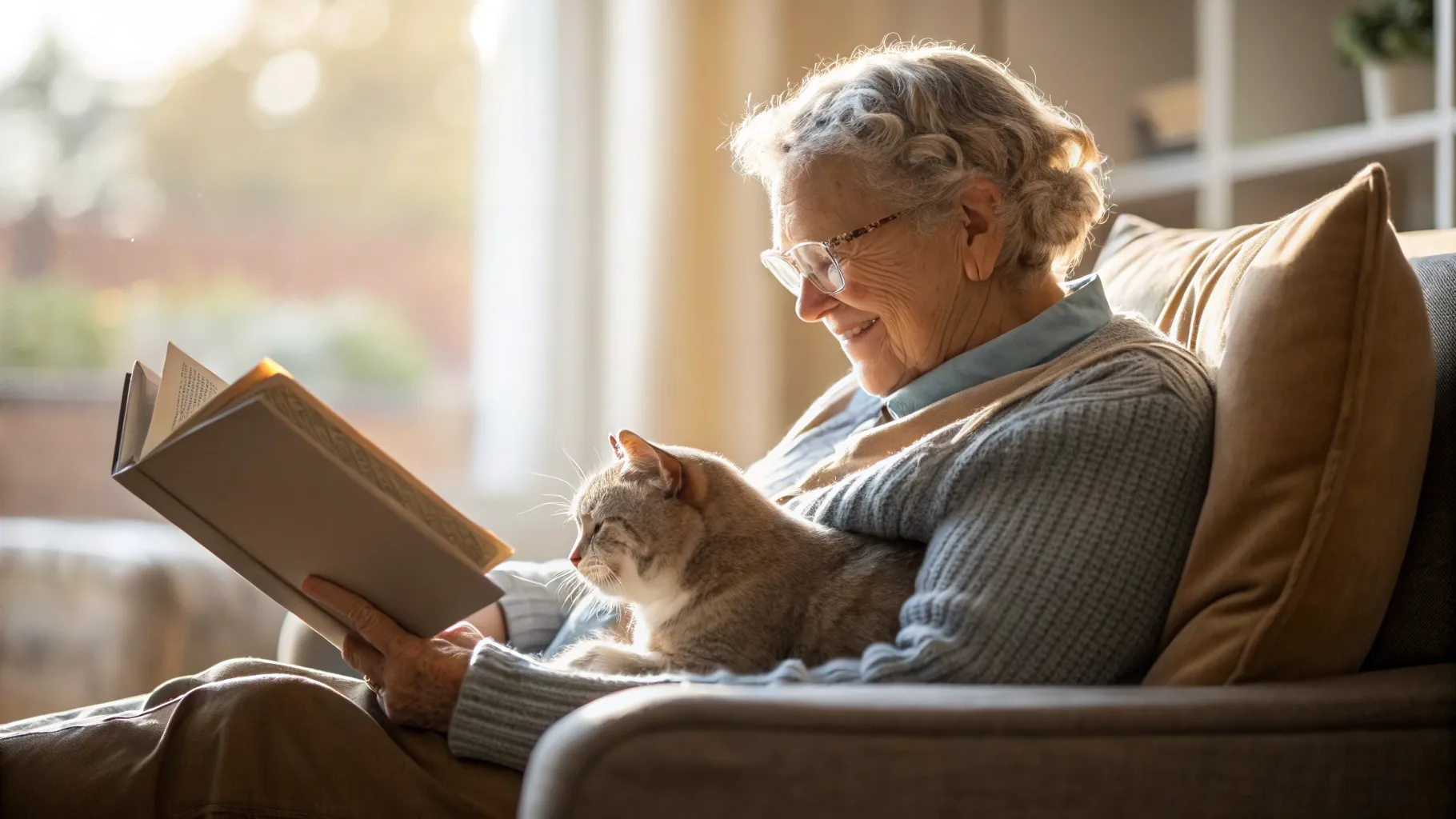
The Unique Bond: Why Elderly Companion Cats Thrive with Seniors
The synergy between elderly companion cats and seniors is truly remarkable. Older cats often possess a calm demeanor and a settled personality, making them ideal partners for individuals seeking a tranquil home environment. Unlike energetic kittens, senior felines typically require less intense play and more gentle interaction, perfectly aligning with a senior's lifestyle. This mutual understanding creates a powerful connection; the cat receives a loving, stable home, and the senior gains a loyal, undemanding confidant. The consistent presence of a feline can also provide a comforting routine, offering a soft start to the day with a morning purr and a relaxing end to the evening curled up nearby. This specific form of senior pet adoption focuses on creating harmony and enriching the lives of both the human and the animal.
Health and Wellness Advantages of Feline Friends for Seniors
The impact of pets on human health is well-documented, and the cat adoption benefits for seniors are particularly noteworthy. Engaging with a cat can lead to a measurable reduction in stress levels, lower blood pressure, and even a decrease in the risk of heart disease. The simple act of petting a cat releases oxytocin, a hormone associated with bonding and well-being, fostering a sense of peace and contentment. Beyond these physiological advantages, having feline friends for seniors encourages gentle physical activity, such as bending to fill food bowls or reaching to offer a comforting stroke. Furthermore, the responsibility of caring for another living being provides a renewed sense of purpose, combating apathy and promoting mental acuity. This holistic improvement in health and well-being underscores the profound value of cat adoption companionship for seniors.
Practical Considerations for Senior Pet Adoption
While the emotional rewards are abundant, there are practical aspects to consider when embarking on senior pet adoption. It's crucial to assess the senior's living situation, including any mobility issues or existing health conditions that might impact their ability to care for a cat. Choosing a cat that matches the senior's energy level is paramount; a calm, mature cat is often a better fit than a rambunctious youngster. Additionally, understanding the financial implications of pet ownership, including food, veterinary care, and litter, is important. Many shelters and rescue organizations offer special programs for seniors, sometimes waiving adoption fees or providing discounted services to make cat adoption companionship for seniors more accessible. Researching these options can alleviate potential concerns and pave the way for a successful adoption.
Navigating the Adoption Process for Senior Cat Companionship
The journey to finding the perfect elderly companion cat involves several steps, but it doesn't have to be daunting. Starting with local animal shelters, humane societies, and breed-specific rescues is a great first move. Many organizations specialize in rehoming older pets and are excellent resources for finding a suitable match. During the adoption interview, be open about the senior's lifestyle and what they are looking for in a companion. Shelters often conduct personality assessments of their cats, which can help in pairing a senior with a feline that has a compatible temperament. Discussing potential challenges and support systems available, such as friends, family, or professional pet sitters for emergencies, can also help ensure a smooth transition and long-term success for senior cat companionship.
Making a Lifelong Connection: Sustaining Your Elderly Companion Cat Relationship
Once an elderly companion cat has found its forever home with a senior, maintaining that bond requires ongoing love and attention. Regular veterinary check-ups are vital to ensure the cat remains healthy and comfortable, especially as they age. Providing a consistent routine, including feeding times, play sessions, and quiet companionship, helps the cat feel secure and cherished. Create a safe and comfortable environment with accessible litter boxes, cozy resting spots, and gentle toys. Remember that cats communicate through body language and vocalizations; learning to understand these cues strengthens the bond and allows for better responsiveness to their needs. Nurturing this relationship ensures that the profound cat adoption companionship for seniors continues to flourish, bringing mutual joy and contentment for years to come.
Practical Steps for Successful Senior Cat Adoption
- Research Local Shelters: Identify reputable animal shelters or rescue organizations that have programs for senior adoptions or specialize in older pets to find suitable elderly companion cats.
- Consider Temperament Over Age: Focus on finding a cat whose personality matches the senior's lifestyle, rather than solely focusing on a specific age. Calm, affectionate cats are often ideal for senior cat companionship.
- Prepare Your Home: Ensure the living environment is safe and accessible for both the senior and the cat, with essentials like litter boxes, food/water bowls, and comfortable sleeping areas.
- Understand Financial Commitments: Budget for ongoing expenses like quality cat food, regular veterinary check-ups, and potential emergency medical care, factoring in any senior-specific discounts.
- Plan for Support: Arrange for a support system (family, friends, pet sitters) to assist with care in case of illness, travel, or other circumstances that might temporarily prevent the senior from caring for their cat.
- Facilitate a Gentle Introduction: Allow the new feline friend for seniors to acclimate gradually to its new home, providing a quiet space initially and slowly introducing them to other areas and people.
Frequently Asked Questions
What are the primary cat adoption benefits for seniors?
The primary benefits include reduced loneliness, lower stress levels, improved mood, a sense of purpose, and gentle encouragement for physical activity, all contributing to overall enhanced well-being through senior cat companionship.
Are senior cats better for senior adopters?
Often, yes. Senior cats typically have established personalities, are calmer, and require less strenuous play than kittens, making them excellent, low-maintenance elderly companion cats that align well with a senior's more relaxed lifestyle.
How can I find a suitable elderly companion cat for senior pet adoption?
Start by contacting local animal shelters, humane societies, and specific rescue groups. Many have dedicated programs or matchmakers who specialize in pairing seniors with suitable senior cat companionship, considering both human and feline needs.
References
- The Emotional and Physical Benefits of Pet Ownership for Seniors
- Understanding the Link Between Pet Ownership and Reduced Loneliness in Older Adults
- Guidelines for Responsible Pet Adoption for Seniors
- Impact of Companion Animals on Mental Health in Later Life
- Choosing the Right Feline Friend: A Guide for Senior Adopters
Authored by MyTrendSpot team