Discovering Government-Surplus Trailers for Sale in the United States
Facts:
- Many types of trailers are available.
- Demand for government surplus trailers is steadily increasing for off-grid and utility uses.
Unveiling the Opportunities in Government-Surplus Trailers
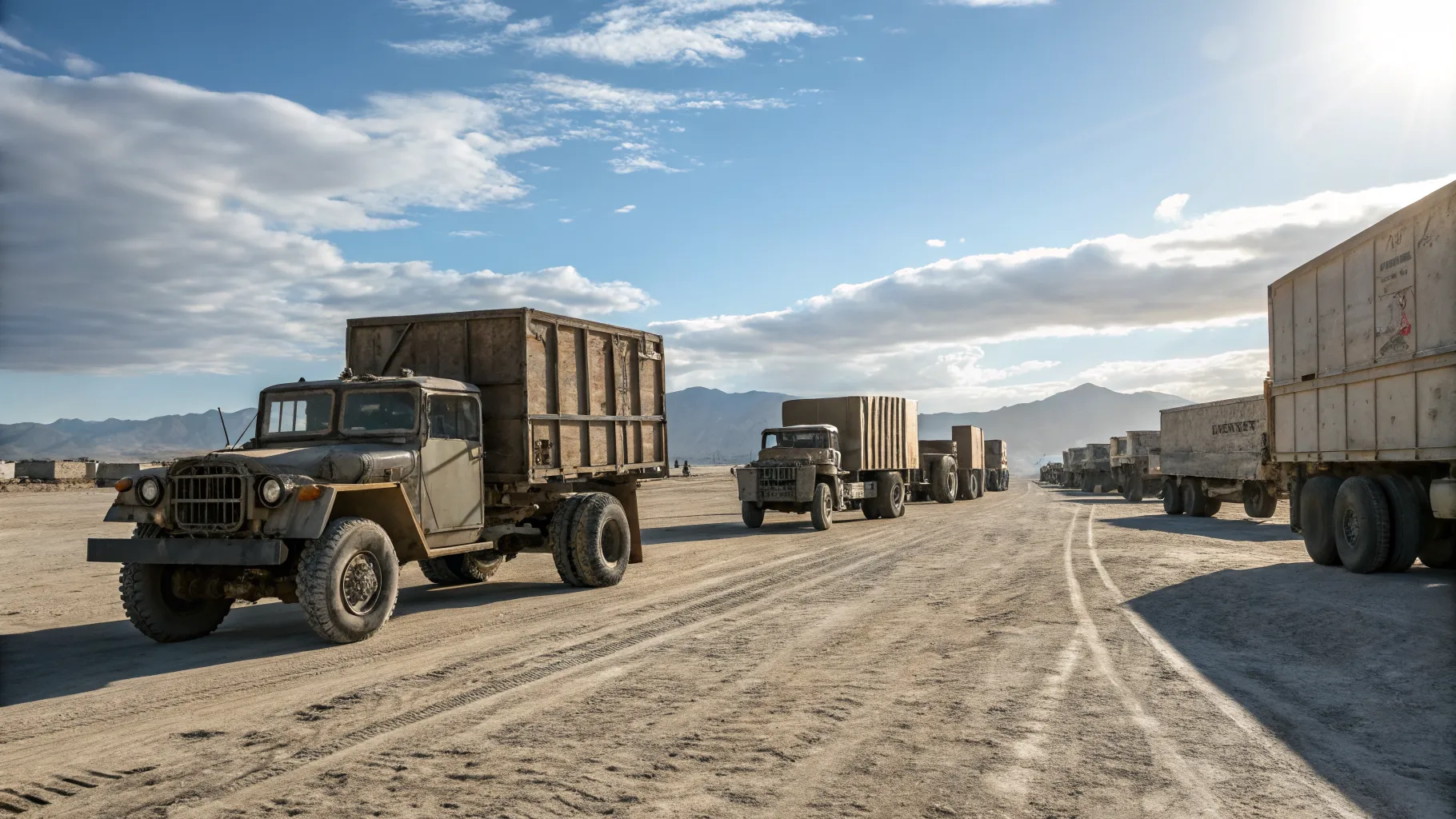
The market for government surplus trailers in the United States presents a unique opportunity for individuals and businesses seeking durable, robust, and often cost-effective utility solutions. These trailers, ranging from heavy-duty cargo haulers to specialized mobile units, become available when government agencies, particularly the military, decommission excess or outdated assets. Understanding how to navigate the acquisition process for these formidable machines is key to securing significant value. This guide explores the intricacies of finding and purchasing military surplus trailers, offering insights into their diverse applications and the benefits they offer over conventional commercial alternatives.
Navigating the Channels for Surplus Trailer Acquisition
Finding surplus trailers for sale requires knowledge of specific governmental auction sites and procurement platforms. Unlike buying new, the process for buying government trailers involves engaging with federal, state, and local agencies responsible for asset disposal. The primary federal avenues include GSA Auctions (General Services Administration) and GovPlanet, a specialized marketplace for government and military surplus. GSA Auctions handles a broad spectrum of federal property, often listing various types of trailers from different civilian agencies. These can range from small utility trailers to larger flatbeds. GovPlanet, on the other hand, is a dedicated platform for demilitarized military equipment, making it the go-to source for heavy-duty military-grade trailers. State and local government auctions, often advertised through their respective websites or local auction houses, also provide opportunities, though the inventory may be more localized and varied in condition. Each platform has its own registration requirements, bidding procedures, and payment terms, necessitating thorough research before participation. Potential buyers should also be aware of any specific regulations or requirements related to the purchase and subsequent registration of these vehicles, which can vary by state.
Types of Government-Surplus Trailers You Can Find
The variety of government surplus trailers available is vast, reflecting the diverse needs of federal and military operations. Buyers can expect to find anything from general-purpose cargo trailers, often designed to withstand extreme conditions, to specialized equipment haulers. Common types include M101 and M105 cargo trailers, known for their robust construction and off-road capabilities, which are frequently seen as military surplus trailers. Beyond these, there are flatbed trailers for heavy equipment transport, utility trailers equipped with generators or tool storage, and even specialized communication or command post trailers that can be repurposed. Some auctions might also feature medical support trailers or mobile workshop units. The condition of these items varies significantly, from "as-is, where-is" with visible wear and tear, to remarkably well-maintained units that have seen limited deployment. Thorough inspection, or at least a detailed review of provided photographs and descriptions, is crucial to assess the true value and potential repair costs of any particular unit.
Another category gaining popularity are former military light tactical trailers, which are smaller and more agile, making them ideal for recreational use or smaller homestead projects. These often come with features like independent suspension, heavy-duty axles, and durable tires, surpassing the specifications of many commercial equivalents. The sheer durability and design for longevity are often key selling points for individuals seeking reliable transport solutions that can withstand challenging environments.
Evaluating the Value and Condition of Federal Surplus Equipment
When considering federal surplus equipment, especially trailers, a critical eye is essential. The value proposition is often outstanding; purchasers can acquire equipment built to rigorous military specifications for a fraction of the cost of new commercial alternatives. However, this value is intrinsically linked to the trailer's condition. Buyers should meticulously review all available documentation, including maintenance records if provided, and detailed photos. If possible, a physical inspection is always recommended. Key areas to check include the frame for rust or structural damage, axles and suspension components for wear, tire condition, and the integrity of the electrical system, including lights and brakes. Many government surplus trailers may require some level of refurbishment or repair, which should be factored into the overall cost. Understanding common issues with specific models, such as electrical wiring unique to military vehicles or specific brake systems, can help in estimating potential upgrade or repair expenses. The presence of a clear title or certificate of origin is also paramount for legal registration post-purchase.
Comparison: Government Surplus vs. Commercial Trailers
A direct comparison reveals significant differences between government surplus trailers and their commercial counterparts. Commercial trailers, while widely available and often new, are typically designed for specific civilian applications and cost-efficiency in manufacturing. They may use lighter materials and simpler designs. In contrast, military surplus trailers are engineered for extreme durability, often featuring heavier gauge steel, robust off-road suspension systems, and components designed for ease of field repair. This means they can often handle heavier loads and harsher environments than similarly sized commercial trailers. While commercial options might offer more creature comforts or specialized features for niche markets (e.g., horse trailers, RVs), government surplus trailers provide a blank canvas of unparalleled ruggedness, ideal for customization into overland expedition vehicles, mobile workshops, or heavy-duty utility haulers. The initial investment for a surplus unit can be significantly lower, but potential buyers must account for time and cost associated with transportation, potential repairs, and civilian-compliant modifications.
Practical Considerations for Buying Government Trailers
Successfully buying government trailers involves more than just winning an auction; it requires careful logistical planning and an understanding of post-purchase requirements. Transportation is often a significant hurdle, as these items are typically located at government depots or military bases, sometimes in remote areas. Buyers are usually responsible for arranging pickup within a strict timeframe. Depending on the size and weight of the trailer, specialized transport might be necessary. Furthermore, once acquired, most military surplus trailers will need to be made compliant with state and local regulations for civilian road use. This often involves ensuring proper lighting, functioning brakes, and obtaining a civilian title. Some trailers might require modifications to their hitches or electrical connectors to integrate with standard civilian tow vehicles. It's advisable to research your state's DMV requirements for registering salvaged or custom-built trailers before making a purchase. Thorough planning at each stage will prevent unexpected costs and ensure a smooth transition from auction acquisition to functional ownership.
- Research Auction Platforms: Explore GSA Auctions, GovPlanet, and state/local government auction sites for surplus trailers for sale. Understand their bidding processes, terms, and conditions before participating. This initial research phase is crucial for identifying reliable sources and types of inventory.
- Inspect Thoroughly (Virtually or Physically): Always review detailed photos, descriptions, and any provided service records. If possible, physically inspect the trailer to assess its structural integrity, rust levels, tire condition, and electrical systems. This proactive approach helps in estimating any necessary repairs or refurbishments.
- Budget for Hidden Costs: Beyond the winning bid, factor in potential expenses for transportation, title transfer fees, registration, and any necessary repairs or modifications to meet civilian road standards. These costs can significantly impact the overall value proposition of buying government trailers.
- Plan for Transportation: Understand that you are responsible for picking up the trailer from its location, often within a limited timeframe. Arrange for appropriate towing or hauling services well in advance, especially for larger or non-roadworthy units.
- Understand Civilian Conversion Needs: Be prepared to make modifications such as replacing military-specific hitches, updating electrical connectors, and ensuring all lights and brakes are functional and compliant with your state's Department of Motor Vehicles (DMV) regulations for registering government surplus trailers for road use.
Frequently Asked Questions
What are the best platforms for finding government surplus trailers?
The best platforms for finding government surplus trailers are typically GSA Auctions for a wide range of federal property and GovPlanet for demilitarized military equipment. State and local government auction websites can also offer regional opportunities. Each platform provides listings with details, photos, and bidding instructions. It's recommended to explore these sites regularly as inventory updates frequently.
Are military surplus trailers street legal?
Generally, military surplus trailers are not immediately street legal in their "as-is" condition for civilian use. They often require modifications to meet state and local Department of Motor Vehicles (DMV) regulations regarding lighting, braking systems, and hitch compatibility. Additionally, obtaining a civilian title or certificate of origin is a crucial step for legal registration. Always check your local laws before purchase.
What kind of condition can I expect when buying government trailers?
The condition of federal surplus equipment, including trailers, can vary significantly. Some units may be in excellent, lightly used condition, while others might show considerable wear, rust, or require major repairs. Descriptions on auction sites usually provide an indication, but thorough inspection, either in person or via detailed photographs, is highly recommended. Buyers should always assume "as-is, where-is" conditions.
How do surplus trailers for sale compare in price to new commercial trailers?
Surplus trailers for sale are often significantly more affordable than comparable new commercial trailers. While they may require some investment for refurbishment or customization, the initial purchase price can represent substantial savings, especially considering their often superior build quality and durability, designed for rigorous military specifications.
References
- General Services Administration (GSA) official auction records.
- GovPlanet historical auction data and equipment specifications.
- Industry reports on the secondary market for military and government assets.
- Various state Department of Motor Vehicles (DMV) regulations for vehicle titling and registration.
- Publications specializing in off-grid and utility vehicle modifications.
Authored by MyTrendSpot team