Discovering Move-in Ready Tiny Homes for Sale in the United States
Facts:
- Tiny homes offer a path to sustainable living.
- Growing popularity for minimalist lifestyles in the United States.
The Allure of Move-in Ready Tiny Homes
The concept of downsizing and embracing a more minimalist lifestyle has captivated many, leading to an increasing demand for move-in ready tiny homes. These compact dwellings offer a unique blend of affordability, environmental consciousness, and the freedom of mobility, making tiny house living an attractive option for individuals and families across the United States. Far from just a trend, the move-in ready tiny home market represents a significant shift in housing preferences, catering to those who prioritize experiences over excessive possessions. This article delves into the thriving market of tiny homes for sale, exploring what makes these residences so appealing and how prospective buyers can navigate their journey to finding the perfect compact abode.
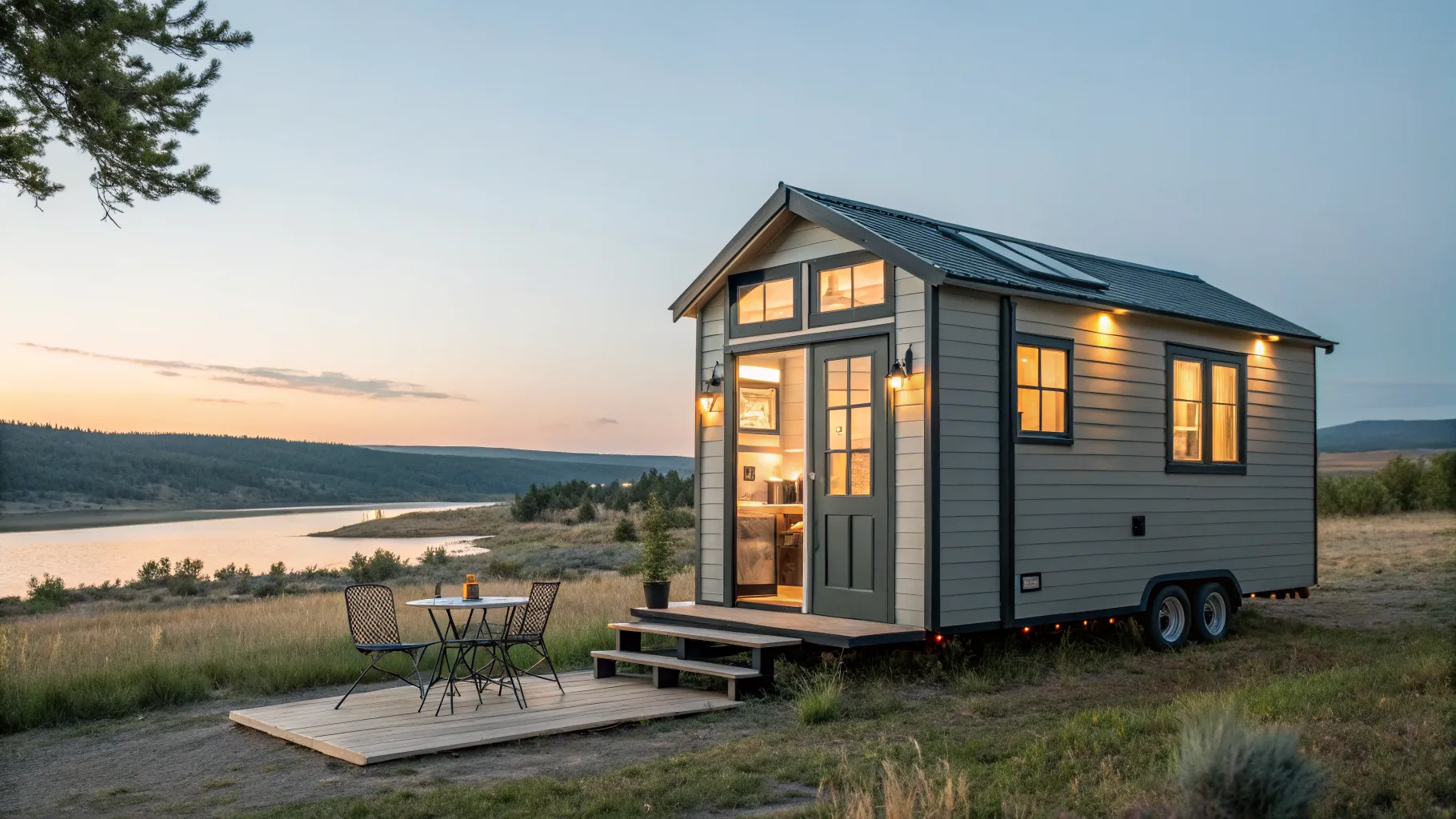
Navigating the Market for Move-in Ready Tiny Homes
The market for move-in ready tiny homes is diverse, featuring a wide array of styles, sizes, and price points. Buyers can choose from tiny homes on wheels (THOWs), which offer unparalleled mobility, or foundation-based tiny homes, which provide a more permanent fixture. Understanding the distinctions is crucial, as each type comes with its own set of legal, logistical, and lifestyle considerations. When searching for tiny homes for sale, it's essential to consider factors such as construction quality, insulation, appliance inclusions, and design aesthetics. Many prospective owners are looking for turnkey solutions that allow them to transition seamlessly into their new, smaller footprint without the complexities of a custom build.
Understanding Tiny Home Builders
Selecting the right tiny home builders is paramount to a successful purchase. Reputable builders offer transparency in their construction processes, adhere to industry standards, and provide warranties for their work. They often have a portfolio of pre-designed models that can be customized to a certain extent, or they might specialize in fully custom projects. Engaging with builders who understand local zoning regulations and permitting requirements, especially for foundation-based tiny homes, can save significant headaches down the line. Investigating customer reviews, touring model homes, and discussing specific needs with various tiny home builders will help ensure that the final product aligns perfectly with the buyer's vision for tiny house living.
Exploring Affordable Tiny Homes
One of the primary drivers behind the surge in popularity for this housing type is the promise of affordable tiny homes. Compared to conventional housing, the upfront cost and ongoing expenses of tiny homes are significantly lower. However, affordability can vary widely depending on the builder, features, materials, and location. Strategies for finding budget-friendly options include considering smaller footprints, opting for fewer high-end finishes, and exploring financing options tailored specifically for tiny homes. While DIY projects can offer the lowest initial investment, purchasing move-in ready tiny homes from established builders provides peace of mind regarding quality and compliance. Many seek affordable tiny homes not just for financial relief but as a pathway to greater financial freedom and reduced debt.
The Appeal of Tiny Home Communities
For those seeking companionship and shared values, tiny home communities present an appealing solution. These communities often feature shared amenities like common areas, gardens, and communal workshops, fostering a strong sense of belonging among residents. They provide a structured environment where the unique challenges and benefits of tiny house living are understood and embraced. Moreover, tiny home communities can often simplify legal and zoning hurdles, as the land is typically owned or leased collectively, and necessary permits are handled on a larger scale. This communal aspect is a significant draw for many looking to transition into the tiny home lifestyle, offering support and a ready-made social network.
Key Considerations When Buying Tiny Homes for Sale
Before committing to any of the tiny homes for sale, several critical considerations must be addressed. Zoning laws are arguably the most significant hurdle, as regulations vary widely by municipality and can impact where a tiny home can legally be placed. Understanding utility hookups (electricity, water, septic), potential energy efficiency, and insurance options tailored for tiny homes is also crucial. A thorough inspection by a qualified professional is highly recommended, even for new builds, to ensure structural integrity and compliance with safety standards. These diligent steps are vital to ensure a smooth transition into your new tiny house living experience.
Making the Transition to Tiny House Living Smoothly
Transitioning to tiny house living, especially into move-in ready tiny homes, requires thoughtful planning beyond just the purchase itself. This lifestyle demands a disciplined approach to possessions and spatial organization.
- Decluttering and Downsizing: Begin the process of decluttering well before moving in. Ruthlessly evaluate every item you own, keeping only what is essential or brings immense joy.
- Spatial Organization: Research and implement smart storage solutions. Every inch counts in a tiny home, so vertical storage, multi-functional furniture, and hidden compartments are invaluable.
- Legal and Permitting Research: Thoroughly investigate local zoning ordinances and building codes in your desired location. This is crucial for both foundation-based and wheels-based tiny homes for sale.
- Financial Planning: Work out a detailed budget for the purchase, transportation, utility hookups, and ongoing expenses. Explore financing options specific to tiny homes, which can differ from traditional mortgages.
- Community Engagement: If considering tiny home communities, visit them, speak to residents, and understand the community's rules and culture before making a commitment.
Comparing the experience of buying directly from tiny home builders versus through online marketplaces or private sellers reveals distinct advantages and disadvantages. Builders typically offer new homes with warranties, customization options, and often handle delivery and setup logistics. They are also knowledgeable about current building codes and can offer insights into the long-term maintenance of move-in ready tiny homes. Conversely, online marketplaces and private sales might offer more affordable tiny homes, particularly pre-owned units, but may come with higher risks regarding quality, hidden defects, and the absence of warranties. Due diligence, including professional inspections and legal advice, becomes even more critical in such transactions. Both avenues provide unique opportunities to find the perfect tiny homes for sale, catering to different budgets and priorities.
Frequently Asked Questions
What defines move-in ready tiny homes?
Move-in ready tiny homes are typically prefabricated or custom-built units that come complete with interior finishes, appliances, and essential systems (plumbing, electrical) installed, allowing owners to move in immediately upon delivery or setup. They eliminate the need for extensive DIY work, offering a convenient pathway to tiny house living.
Are affordable tiny homes readily available nationwide?
Yes, affordable tiny homes are available throughout the United States, with a growing number of builders and dealers in most regions. Availability and pricing can vary based on local demand, material costs, and transportation expenses. Online platforms and specialized tiny home expos are excellent resources for finding options near you.
What should I look for in tiny home builders?
When evaluating tiny home builders, prioritize those with strong reputations, clear communication, transparent pricing, and a portfolio of completed projects. Ensure they adhere to relevant building codes (e.g., RVIA for tiny homes on wheels) and offer warranties. Customer testimonials and site visits to their workshops or completed homes can provide valuable insights.
References
- National Tiny House Association Guidelines
- The American Tiny House Movement Report
- Sustainable Living Magazine Archives
Authored by MyTrendSpot team