Enhancing Bathroom Safety: A Guide to Non-Slip Bath Mats for Seniors
Maintaining safety and independence in the home, especially in areas prone to slips and falls like the bathroom, is a top priority for seniors and their caregivers. A simple yet highly effective tool in preventing accidents is the non-slip bath mat. These mats are specifically designed to provide traction on wet surfaces, significantly reducing the risk of falls during bathing or showering.
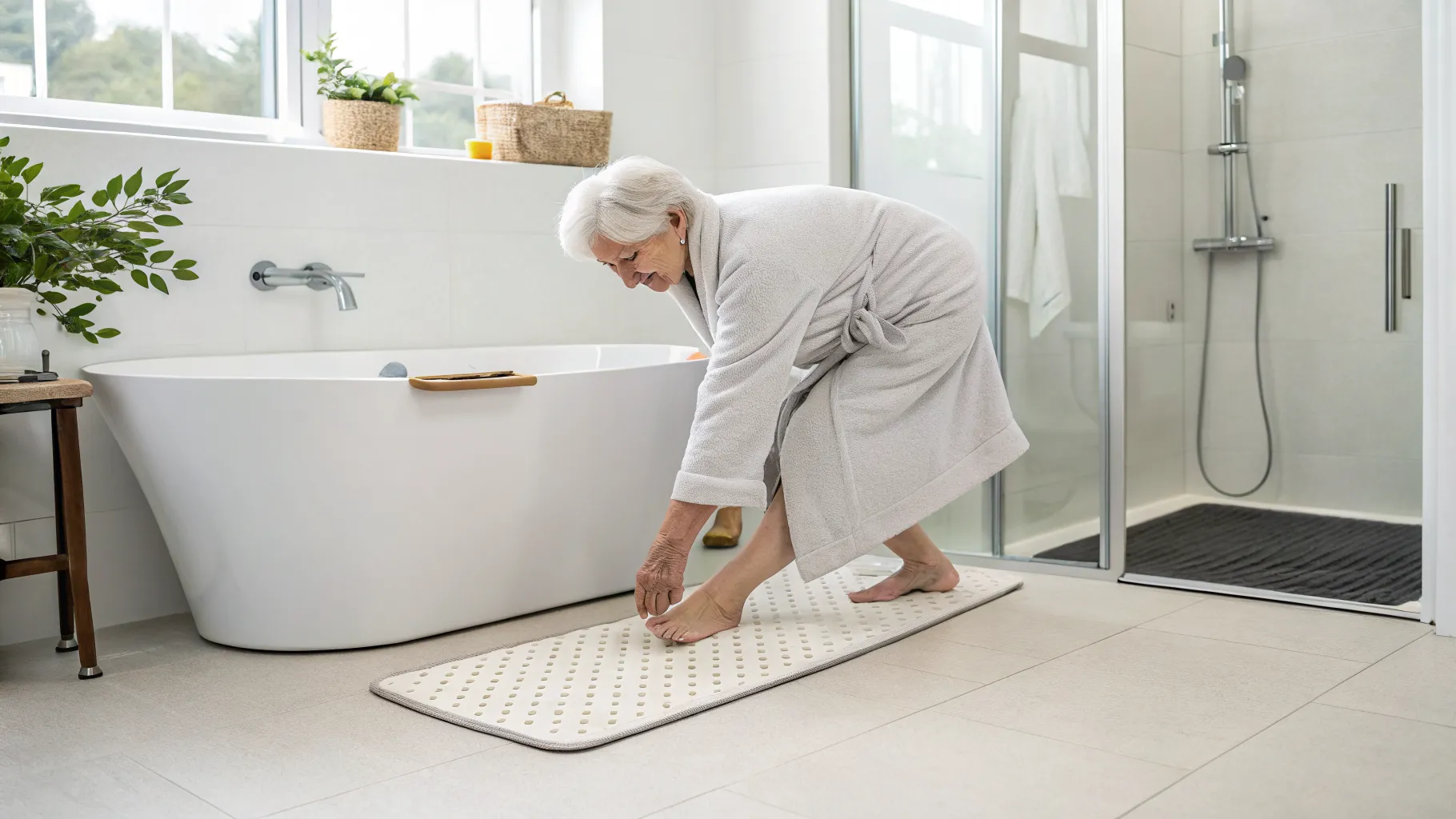
The Importance of Non-Slip Bath Mats for Senior Safety
Bathrooms are inherently hazardous environments due to water and slick surfaces. For seniors, who may have reduced balance, muscle strength, or vision, the risk of falling is considerably higher. A fall in the bathroom can lead to serious injuries, including fractures, head trauma, and a significant loss of independence.
Non-slip bath mats serve as a critical preventive measure by creating a stable, textured surface underfoot. They provide the necessary grip that regular tile or tub surfaces often lack when wet, offering peace of mind and enhanced security for individuals as they navigate their bathing routine.
Understanding Different Types of Non-Slip Bath Mats
Non-slip bath mats come in various materials and designs, each offering distinct advantages. Common materials include rubber, PVC, and TPE. Rubber mats are known for their durability and strong grip, often featuring a solid construction that adheres firmly to surfaces. PVC and TPE mats tend to be softer, more flexible, and may come in a wider array of colors and patterns.
Beyond material, designs also vary. Some mats feature an open-weave or perforated design to allow water to drain quickly, preventing pooling. Others are solid with a textured surface for maximum friction. Considerations like anti-bacterial properties are also common, helping to prevent mold and mildew growth in damp environments.
Key Features to Prioritize When Selecting a Bath Mat
When choosing a non-slip bath mat, several features are paramount to ensure maximum safety and functionality:
- Strong Suction Cups: Look for mats with numerous, robust suction cups on the underside. These cups are crucial for securing the mat firmly to the tub or shower floor, preventing it from sliding or bunching up.
- Effective Drainage: Mats with perforations or channels allow water to drain through, preventing it from accumulating on the surface. This helps maintain a consistently non-slip environment and reduces the chance of soap scum buildup.
- Textured Surface: The top surface of the mat should offer ample texture to provide grip for bare feet. Designs vary from raised bumps to ridged patterns, all aimed at increasing friction.
- Mildew and Mold Resistance: Given the damp environment, mats treated with anti-bacterial or mildew-resistant properties will stay cleaner and last longer, requiring less frequent deep cleaning.
- Hypoallergenic Materials: For those with sensitivities, opting for mats made from hypoallergenic and latex-free materials can prevent skin irritation.
Choosing the Correct Size and Placement
The effectiveness of a non-slip bath mat is highly dependent on its size and proper placement. For bathtubs, consider a mat that covers a significant portion of the tub's floor, especially where a person stands or sits. A mat that is too small might not provide adequate coverage, leaving unsafe gaps.
For shower stalls, measure the floor area to ensure the mat fits well without impeding drainage or creating trip hazards at the edges. Mats should lie completely flat against the surface. Avoid placing mats over the drain if it prevents proper water flow, which could lead to water pooling on the mat's surface and reducing its effectiveness.
Installation and Maintenance for Optimal Safety
Proper installation and regular maintenance are crucial for the longevity and effectiveness of any non-slip bath mat. Before each use, ensure the mat is firmly pressed down onto a clean, wet surface to activate the suction cups. Always lift, rinse, and hang the mat to dry after each use to prevent soap scum and mildew buildup.
Periodically, the mat should be thoroughly cleaned using a mild cleaner and a brush to remove any residue that could compromise its non-slip properties. Pay close attention to the underside and around the suction cups. Replacing mats that show signs of wear and tear, such as cracking, peeling, or diminished suction, is also vital to maintain a high level of safety.
Beyond Bath Mats: Comprehensive Bathroom Safety Strategies
While non-slip bath mats are an excellent first step, a holistic approach to bathroom safety for seniors involves several other considerations. Installing grab bars near the toilet and inside the shower or tub provides crucial support for standing and sitting. These should be professionally installed and able to bear significant weight.
Other useful modifications include raised toilet seats, which reduce the distance a person needs to lower themselves, and handheld showerheads, which offer greater flexibility and ease of use. Ensuring adequate lighting and keeping pathways clear of clutter further minimizes the risk of falls, creating a truly safe and accessible bathroom environment.
Common Mistakes to Avoid When Using Bath Mats
Even with the best intentions, certain practices can reduce the effectiveness of a non-slip bath mat and potentially create new hazards. One common mistake is not properly securing the mat; if suction cups are not fully engaged, the mat can slide. Another error is using a mat that is too old or damaged, as its non-slip properties diminish over time.
Leaving a mat permanently in the tub or shower can also lead to mold and mildew growth underneath, creating an unsanitary environment and potentially compromising the mat's adherence. Lastly, using bath oils or heavily scented soaps can leave a residue on the mat and tub surface, making them slick and negating the mat's non-slip function. Regular cleaning and proper drying are key to avoiding these pitfalls.
Authored by MyTrendSpot team