Exploring Electric SUVs with Extended Driving Ranges
The electric vehicle market has expanded rapidly, offering consumers a wide array of choices, particularly within the SUV segment. As technology advances, one of the most significant improvements has been in battery capacity and overall efficiency, leading to substantially longer driving ranges. For many drivers, the ability to travel farther on a single charge is a crucial factor in their transition to electric mobility. This article aims to explore the elements that contribute to an electric SUV's range and discuss some of the vehicles that stand out in this regard.
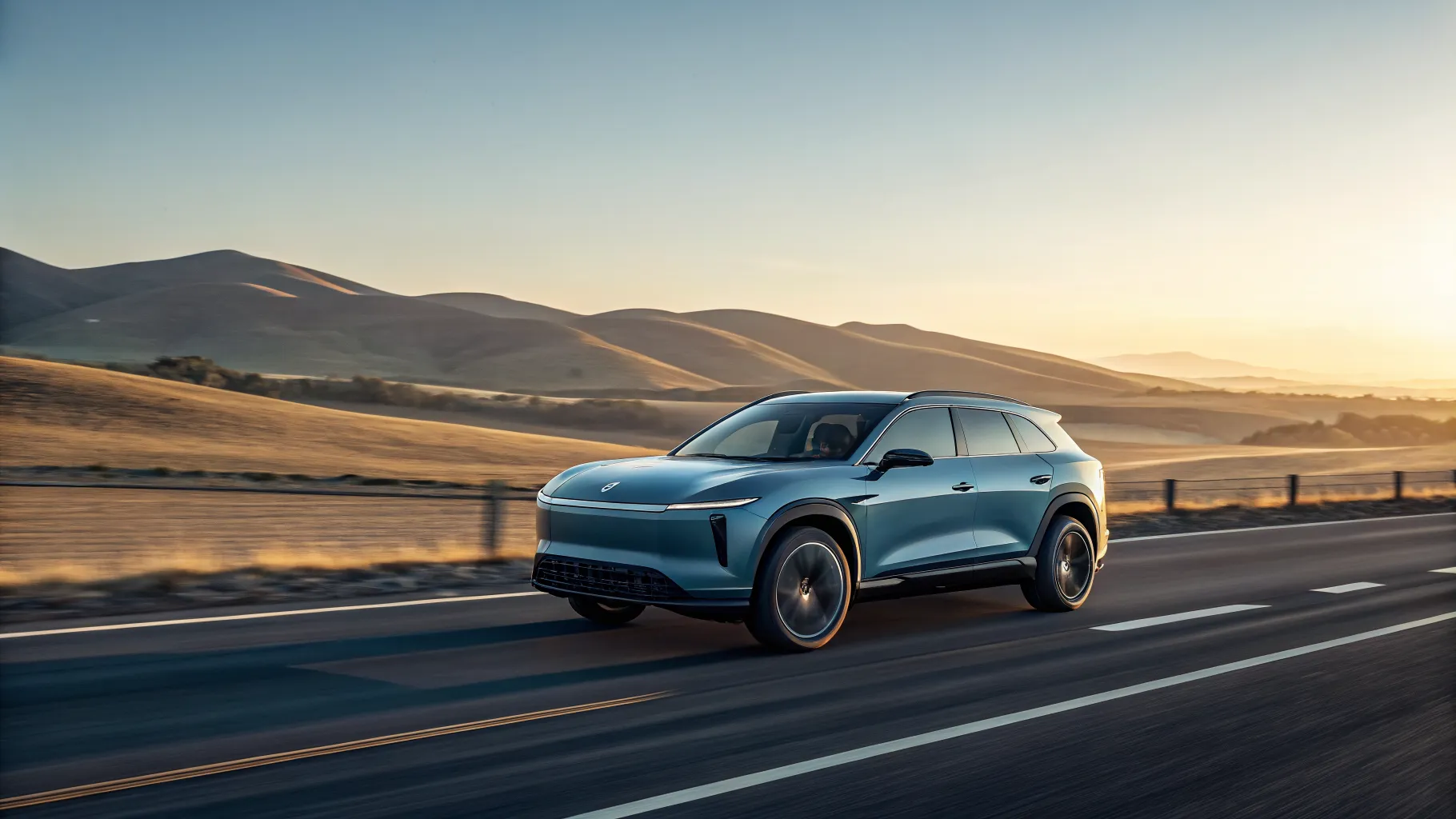
Understanding Electric SUV Range
Driving range in an electric SUV refers to the estimated distance the vehicle can travel on a fully charged battery before needing to be recharged. This figure is typically measured in miles or kilometers and is influenced by various factors, including battery size, motor efficiency, vehicle weight, and aerodynamic design. Standardized testing procedures, such as those by the EPA in the United States or WLTP in Europe, provide benchmarks, though real-world range can vary.
It's important to differentiate between the advertised range and what might be experienced in daily driving. Factors like driving style, terrain, temperature, and the use of climate control or other accessories can significantly impact how far an electric SUV can actually go. Understanding these nuances is key to managing expectations and effectively planning journeys.
Factors Influencing Driving Range
Several critical elements contribute to an electric SUV's driving range. The most prominent is the battery capacity, measured in kilowatt-hours (kWh). Larger battery packs generally store more energy and thus allow for longer distances. However, simply having a large battery isn't the only component; the overall efficiency of the powertrain is equally vital.
Motor efficiency, regenerative braking systems, and the vehicle's weight all play a role. Lighter vehicles require less energy to move, and efficient electric motors convert more stored energy into motive power. Regenerative braking, which captures energy during deceleration and feeds it back into the battery, also helps extend range, particularly in stop-and-go driving conditions.
Design and Aerodynamics
The physical design of an electric SUV has a considerable impact on its efficiency and, consequently, its range. Aerodynamics, or how easily a vehicle cuts through the air, is especially crucial at higher speeds. A sleeker, more streamlined body reduces air resistance, meaning less energy is required to maintain momentum.
Manufacturers are increasingly focusing on aerodynamic optimizations for their electric SUVs, incorporating features like smooth underbodies, active grille shutters, and carefully sculpted body panels. These design choices not only contribute to longer ranges but can also enhance the vehicle's stability and reduce wind noise, improving the overall driving experience.
Battery Technology and Innovations
Ongoing advancements in battery technology are a primary driver behind the ever-increasing ranges seen in electric SUVs. While lithium-ion batteries remain the standard, researchers and manufacturers are continuously working on improving their energy density, charging speed, and longevity. This means future batteries may be smaller, lighter, and yet capable of storing even more energy.
Innovations extend beyond the cells themselves to battery management systems (BMS), which optimize performance and protect the battery from extreme conditions. Thermal management systems also play a crucial role, ensuring the battery operates within its ideal temperature range for maximum efficiency and lifespan, contributing indirectly to consistent long-range performance.
Leading Models Known for Long Range
Several electric SUV models have established themselves as leaders in offering extended driving ranges. These vehicles often combine large battery capacities with highly efficient powertrains and optimized aerodynamic designs. Examples typically include offerings from established EV manufacturers as well as luxury brands that prioritize cutting-edge technology.
When researching specific models, it is beneficial to look at published EPA or WLTP range figures as a starting point. However, also seek out independent reviews and owner experiences to get a more comprehensive understanding of real-world range performance under various conditions. This holistic approach ensures a better grasp of what to expect from these long-range contenders.
Considering Range Beyond the Numbers
While a high driving range is undoubtedly appealing, it's also important for consumers to consider their actual needs and driving habits. For many daily commutes and local errands, even electric SUVs with moderate ranges are more than sufficient. For those who frequently undertake long road trips, however, a vehicle with an extended range can significantly reduce the need for frequent charging stops and alleviate range anxiety.
Other considerations, such as charging infrastructure availability along common routes, charging speeds, and the overall cost of the vehicle, should also factor into the decision. A long-range electric SUV might offer peace of mind, but balancing this with practical usage and budget can lead to a more satisfactory choice in the long run.
Authored by MyTrendSpot team