Exploring the Swiss Alps by Train: A Guide to Scenic Journeys
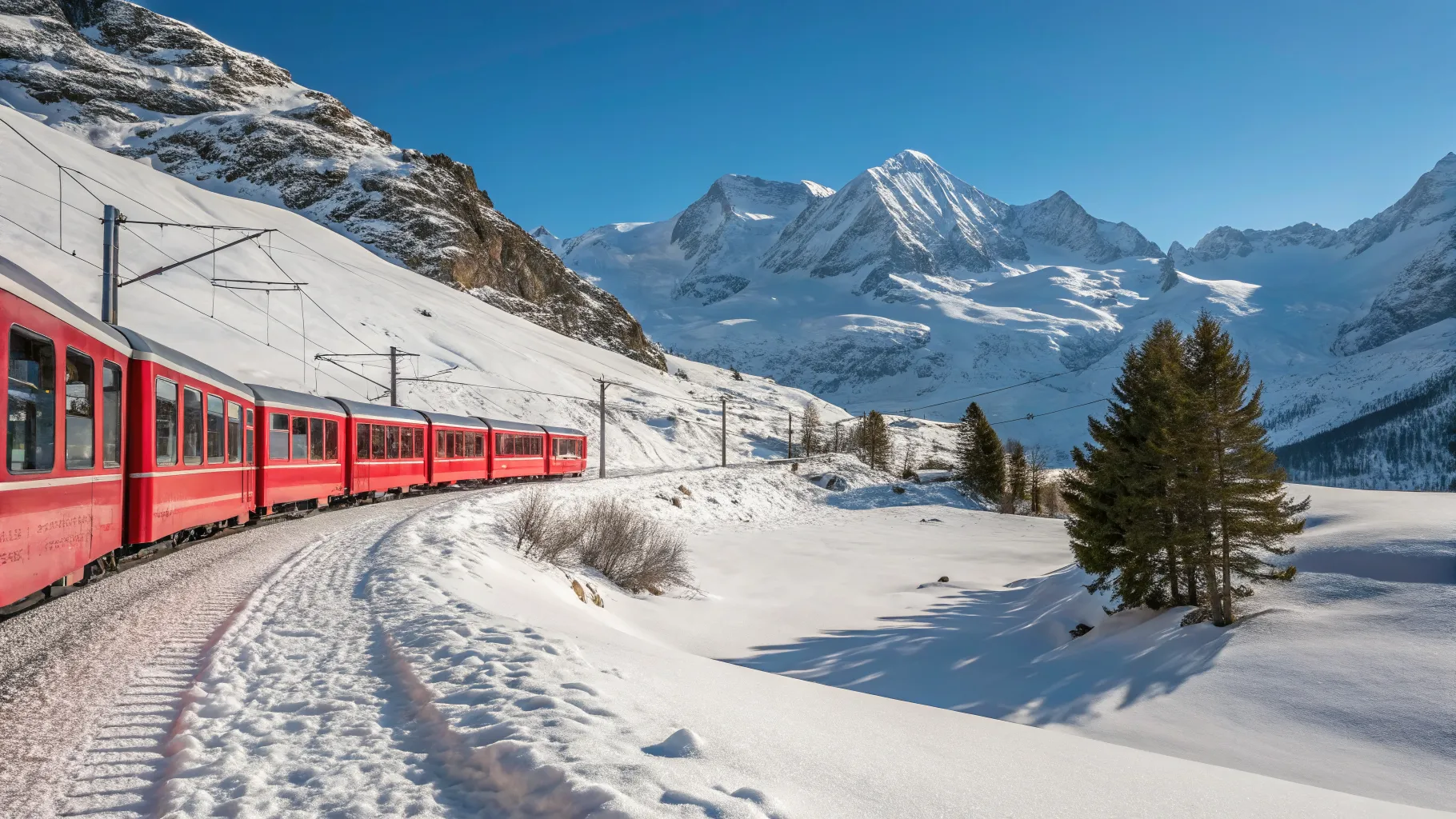
Embarking on a train journey through the Swiss Alps is an experience that combines engineering marvels with some of the most stunning natural beauty on Earth. Switzerland's extensive and highly efficient railway network makes it uniquely suited for exploring its mountainous regions, offering travelers unparalleled access to dramatic peaks, serene valleys, and charming villages that are often inaccessible by road. These train tours are not just about reaching a destination; they are an integral part of the travel experience itself, providing panoramic views from comfortable carriages.
Why Choose a Train Tour in the Swiss Alps?
Traveling by train through the Swiss Alps offers a distinct advantage over other modes of transport: it allows passengers to fully immerse themselves in the scenery without the distractions of driving. The meticulously maintained railway lines often traverse challenging terrain, including impressive viaducts, spiral tunnels, and steep inclines, all while providing a smooth and comfortable ride.
Beyond the comfort, train tours offer a unique perspective. Many routes are specifically designed to showcase the most picturesque vistas, winding through UNESCO World Heritage sites and national parks. It is a way to witness the dramatic seasonal changes, from vibrant green summers to golden autumns and pristine white winters, all from the warmth and safety of a well-appointed carriage.
Iconic Swiss Alps Train Routes
Several train routes have become legendary for their scenic beauty and engineering prowess. These journeys are often highlights of any trip to Switzerland, each offering a distinct character and set of views.
- The Glacier Express: Often dubbed the 'slowest express train in the world,' this iconic route connects Zermatt and St. Moritz. It traverses 291 bridges and 91 tunnels, offering panoramic views of alpine meadows, deep gorges, and towering peaks.
- The Bernina Express: Starting in Chur or St. Moritz and ending in Tirano, Italy, the Bernina Express is famous for its stunning curves and gradients, including the circular Brusio Viaduct. It crosses the Bernina Pass at 2,253 meters (7,392 feet) above sea level, showcasing glaciers and turquoise lakes.
- The GoldenPass Line: This route links Lucerne and Montreux, passing through three distinct regions of Switzerland. It offers varied landscapes, from the serene lakes of central Switzerland to the charming chalets of the Bernese Oberland and the vineyards overlooking Lake Geneva.
- Jungfraujoch – Top of Europe: While a shorter journey, the train ride to Jungfraujoch is a spectacular ascent. Starting from Kleine Scheidegg, the Jungfrau Railway travels almost entirely through a tunnel carved into the Eiger and Mönch mountains, culminating at Europe's highest railway station.
Types of Train Experiences
The Swiss rail network caters to a wide range of preferences, offering different types of train experiences beyond the famous panoramic routes. From standard regional trains to luxury options, there is a way to explore for every budget and desired comfort level.
Regional trains provide flexibility, allowing travelers to hop on and off at various towns and villages, often with larger windows than typical trains. For those seeking an elevated experience, some trains offer first-class compartments with more spacious seating and enhanced services. Additionally, themed trains or special historical journeys are occasionally available, providing a unique glimpse into the past or focusing on specific regional highlights.
Planning Your Swiss Alps Train Adventure
Careful planning can enhance a Swiss Alps train tour significantly. Understanding the rail pass system, booking in advance, and considering luggage logistics are key aspects to address before your trip. Switzerland offers several rail passes, such as the Swiss Travel Pass, which provides unlimited travel on trains, buses, and boats, as well as discounts on mountain railways.
It is advisable to book seats on popular panoramic trains like the Glacier Express and Bernina Express well in advance, especially during peak season, as reservations are often mandatory and fill up quickly. For day trips on regional trains, seat reservations are typically not required, offering more spontaneity. Packing light and considering luggage services, where available, can also make transfers and boarding much smoother.
Best Times to Travel
The Swiss Alps offer distinct beauty in every season, and the best time to take a train tour largely depends on the kind of experience you are seeking. Each season presents unique photographic opportunities and activities.
Summer, from June to September, is popular for its green landscapes, clear skies, and warmer temperatures, ideal for combining train travel with hiking or exploring alpine villages. Winter, from December to March, transforms the Alps into a snow-covered wonderland, offering breathtaking views of pristine white peaks and excellent conditions for skiing or snowboarding at resorts accessible by train. Spring (April-May) and autumn (October-November) provide quieter travel experiences with fewer crowds, vibrant flora in spring, and spectacular fall foliage in autumn.
Tips for an Enjoyable Journey
To maximize your enjoyment of a Swiss Alps train tour, a few practical tips can make a significant difference. Being prepared for varying weather conditions and making the most of the onboard experience are good starting points.
- Dress in layers: Even in summer, temperatures can drop significantly in the mountains. Layered clothing allows you to adapt to changing conditions inside the train and at stops.
- Bring snacks and drinks: While some panoramic trains offer dining cars or services, having your own refreshments can be convenient for longer journeys or regional trains.
- Charge your devices: Ensure your camera and phone are fully charged to capture the stunning scenery. Many trains offer power outlets, but it is always good to be prepared.
- Utilize audio guides: Many panoramic trains offer detailed audio commentary about the landscapes, history, and engineering marvels you are passing, enriching the journey.
- Sit on the correct side: Researching which side of the train offers the best views for your specific route can enhance your visual experience. Often, the views alternate, but sometimes one side is predominantly more scenic.
Authored by MyTrendSpot team