Exploring Iceland's Ring Road: A Comprehensive Guide to Tours
The Iceland Ring Road, officially known as Route 1, is a national road that encircles the entire island, connecting most of the country's inhabited areas. Spanning approximately 1,332 kilometers (828 miles), it serves as the main artery for travelers wishing to experience Iceland's stunning natural beauty comprehensively. A journey along the Ring Road offers an unparalleled opportunity to witness a spectacular array of landscapes, including volcanoes, glaciers, waterfalls, black sand beaches, and vibrant towns, all within a single trip.
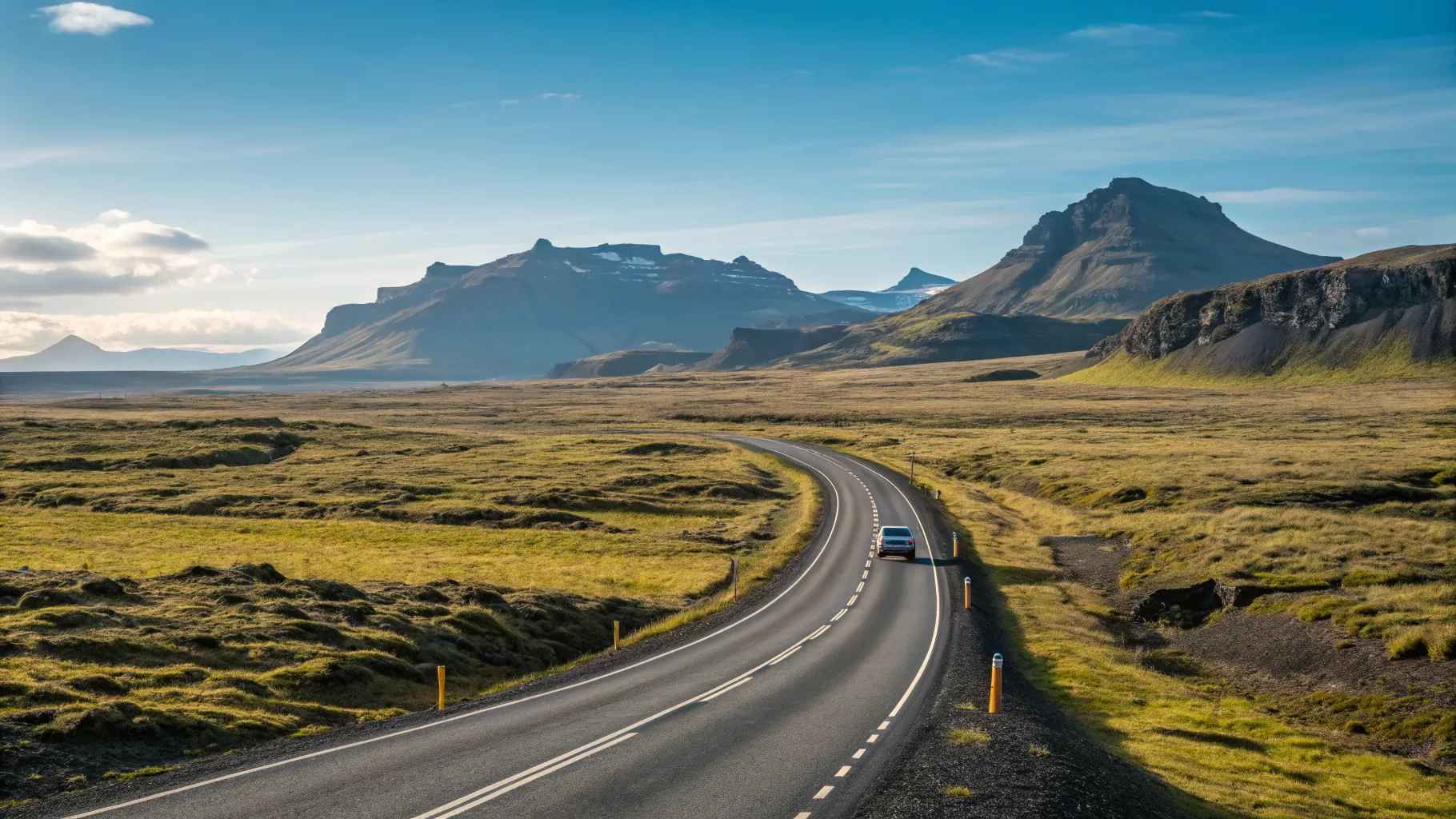
What is the Iceland Ring Road?
The Ring Road is not merely a highway; it is the backbone of Icelandic tourism and local transport, providing access to an astonishing concentration of natural phenomena. Completed in 1974, it largely follows the coastline, though it occasionally cuts inland through mountains and lava fields. This circular route allows visitors to continuously move forward without backtracking, making it an efficient way to explore a significant portion of the country's diverse regions.
Traveling the Ring Road means encountering the dynamic geological forces that shape Iceland. From the geothermal areas of the south to the dramatic fjords of the east and the volcanic plains of the north, the road offers a constantly changing panorama. While the main route is paved and generally well-maintained, gravel sections exist in certain remote areas, and conditions can vary significantly with the seasons.
Types of Ring Road Tours Available
When planning a journey along the Iceland Ring Road, travelers have several distinct tour options, each catering to different preferences for independence, comfort, and group size. Understanding these options is key to choosing the best way to experience the country.
Self-drive tours are a popular choice for those who prefer maximum flexibility and the freedom to explore at their own pace. This typically involves renting a car or campervan and charting one's own course, making spontaneous stops at interesting sights. This option requires travelers to handle their own navigation, accommodation bookings, and meal planning, but it offers an immersive and personal adventure.
Guided bus tours provide a structured and often hassle-free experience. These tours usually include transportation, a professional guide, and pre-booked accommodation, taking the stress out of logistics. Participants travel in comfortable coaches, making scheduled stops at major attractions and often receiving insightful commentary from their guide about Iceland's history, geology, and culture. These tours are suitable for those who prefer not to drive or plan extensive itineraries.
Small group tours offer a hybrid approach, combining the expertise of a guide with the intimacy of a smaller group. These tours often utilize smaller vans or minibuses, allowing access to some areas that larger buses cannot reach. They generally provide a more personalized experience, with opportunities for interaction with the guide and fellow travelers, while still managing the practical aspects of the trip like accommodation and transportation.
Planning Your Ring Road Itinerary
A successful Ring Road journey hinges on careful planning, especially regarding the duration of your trip and the time of year you choose to visit. While it is technically possible to drive the entire Ring Road in a few days, a truly rewarding experience typically requires at least seven to ten days, and preferably two weeks, to allow ample time for exploration and unforeseen delays.
The season significantly impacts the Ring Road experience. Summer (June to August) offers long daylight hours, milder weather, and access to almost all attractions, making it the most popular time for tours. However, it also means larger crowds and higher prices. Winter (November to March) presents a dramatic, snow-covered landscape and the chance to see the Northern Lights, but shorter daylight hours, colder temperatures, and potential road closures due to snow and ice require more cautious planning and often specialized vehicles.
Key regions and attractions along the Ring Road often dictate an itinerary. The South Coast is famous for its waterfalls and black sand beaches, while the East Fjords offer dramatic coastal drives. North Iceland boasts geothermal areas and unique rock formations, and West Iceland, including the Snaefellsnes Peninsula, provides a microcosm of Iceland's diverse landscapes often experienced as a detour or extension of the Ring Road trip.
Essential Considerations for a Ring Road Journey
Undertaking a Ring Road tour involves several practical considerations to ensure a smooth and enjoyable trip. These elements range from accommodation to understanding local conditions and managing your budget.
Booking accommodation well in advance is highly advisable, particularly during the peak summer months. Options vary widely, from hotels and guesthouses in towns to farm stays and campsites in more rural areas. Due to Iceland's popularity, lodging can fill up quickly, especially in areas with fewer alternatives.
Icelandic weather is famously unpredictable and can change rapidly, regardless of the season. Travelers should pack layers of clothing suitable for various conditions, including waterproof and windproof outerwear, even in summer. Checking the weather forecast and road conditions daily, via official websites like vedur.is and road.is, is crucial for safety and planning.
Understanding road conditions and driving rules is paramount for self-drive tours. Speed limits are strictly enforced, and off-road driving is strictly prohibited to protect the fragile environment. While the main Ring Road is mostly paved, some sections, particularly in the east, may be gravel. Those planning to venture onto F-roads (mountain roads) need a 4x4 vehicle and should be aware that these roads are typically only open during summer.
Budgeting for a Ring Road tour should account for car rental or tour costs, accommodation, food, fuel, and activities such as glacier hikes or whale watching. Iceland can be an expensive destination, so planning for these expenditures beforehand can help avoid surprises. Many tours offer all-inclusive packages, which can simplify financial planning.
Popular Attractions Along the Ring Road
The Iceland Ring Road is dotted with an incredible array of natural wonders and cultural sites, making every kilometer an opportunity for discovery. While a comprehensive list would be extensive, several attractions stand out as iconic and frequently visited highlights.
Seljalandsfoss and Skógafoss Waterfalls: Two magnificent waterfalls on the South Coast, offering unique experiences. Seljalandsfoss allows visitors to walk behind its cascading waters, while Skógafoss is a powerful, wide curtain of water often adorned with rainbows.
Reynisfjara Black Sand Beach: Near Vik, this stunning beach features dramatic basalt columns, powerful waves, and the Reynisdrangar sea stacks. Visitors should be extremely cautious of sneaker waves.
Jökulsárlón Glacier Lagoon and Diamond Beach: A mesmerizing glacier lagoon filled with icebergs calved from Vatnajökull glacier, often seen alongside Diamond Beach, where ice chunks sparkle on the black sand.
Lake Myvatn Area: Located in North Iceland, this region is a geothermal wonderland with diverse geological formations, pseudo-craters, hot springs, and abundant birdlife, often compared to the unique landscapes of the moon.
Dettifoss Waterfall: Europe's most powerful waterfall, located off the Ring Road in North Iceland, renowned for its immense volume and raw power.
Goðafoss Waterfall: Known as the 'Waterfall of the Gods,' this beautiful curved waterfall in North Iceland holds historical significance related to Iceland's conversion to Christianity.
Snaefellsnes Peninsula: Often referred to as 'Iceland in Miniature,' this peninsula in West Iceland features a glacier-capped volcano, black sand beaches, fishing villages, and dramatic cliffs, making it a popular detour from the main Ring Road.
Tips for a Rewarding Ring Road Experience
To maximize the enjoyment and safety of your Iceland Ring Road adventure, keeping a few key tips in mind can significantly enhance the experience, regardless of whether you choose a self-drive or guided tour.
Maintain flexibility in your itinerary, particularly during the shoulder seasons or winter. Icelandic weather can cause sudden road closures or delays, and being able to adapt your plans can prevent frustration. Having alternative routes or activities in mind can be very helpful.
Prioritize safety at all times. Adhere to speed limits, which are lower than in many other countries, and be mindful of sheep and other wildlife on the roads. Always check road conditions before setting out, especially if planning to drive on gravel roads or in remote areas. Inform someone of your travel plans if venturing off the main route, and consider downloading the 112 Iceland app for emergency assistance.
Respect Iceland's pristine nature and fragile ecosystem. Stay on marked paths to prevent erosion, avoid disturbing wildlife, and never leave trash behind. Off-road driving is illegal and carries heavy fines due to the severe damage it causes to the delicate moss and lava fields. Understanding and following responsible tourism practices helps preserve Iceland's beauty for future generations to enjoy.
Authored by MyTrendSpot team