Exploring Ireland's Historic Castles: A Guide to Castle Tours
Ireland is renowned globally for its stunning natural beauty, vibrant culture, and, perhaps most strikingly, its abundance of historic castles. These ancient structures range from romantic ruins to grand, well-preserved fortresses, offering a tangible link to the island's often tumultuous and fascinating past. Embarking on an Ireland castle tour is more than just sightseeing; it is an immersive journey through history, allowing visitors to walk in the footsteps of kings, queens, chieftains, and rebels.
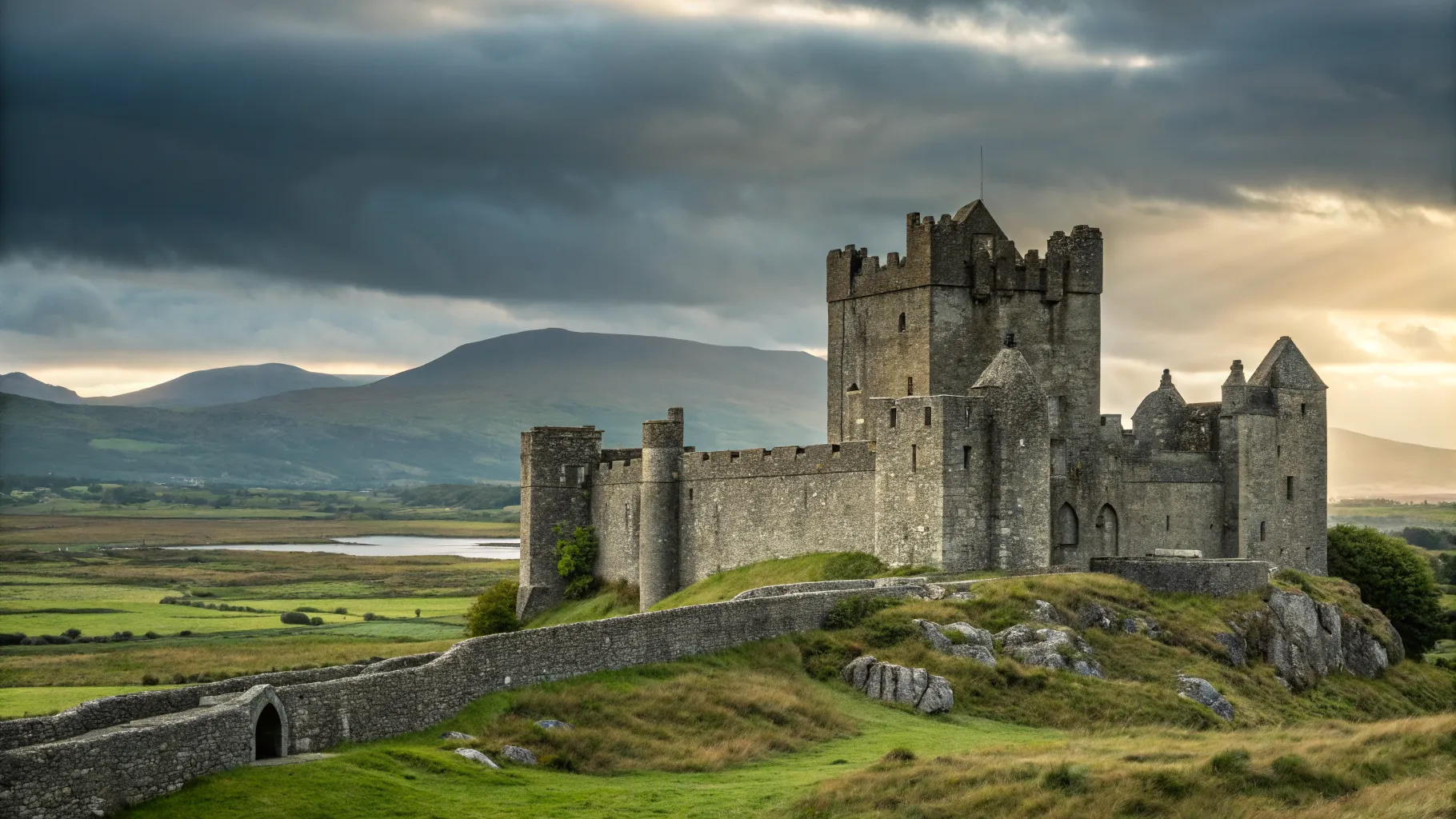
Understanding Ireland's Castle Legacy
Ireland's castles are testaments to various historical periods, including the Norman invasion, the medieval era, and later periods of conflict and resurgence. Each castle possesses a unique architectural style and a narrative that reflects the political, social, and cultural developments of its time. Some stand as formidable strongholds designed for defense, while others evolved into elegant residences for noble families.
The sheer number and diversity of these structures can be overwhelming, making a structured tour an excellent way to appreciate their significance. Many castles have been meticulously preserved or thoughtfully restored, offering a glimpse into daily life within their walls, complete with period furnishings, historical artifacts, and engaging exhibitions.
Types of Castle Tours Available
When planning a visit to Ireland's castles, travelers will find a wide array of tour options tailored to different interests and schedules. These can range from self-guided explorations to fully immersive, multi-day experiences led by expert guides.
- Self-Guided Tours: Many prominent castles, such as Blarney Castle and Rock of Cashel, welcome individual visitors who prefer to explore at their own pace. These often include audio guides or information plaques to enhance the experience.
- Day Trips and Small Group Tours: Numerous operators offer organized day trips from major cities like Dublin or Galway, visiting one or more notable castles along with other local attractions. These are convenient for travelers without their own transport.
- Multi-Day Themed Tours: For those seeking a deeper dive, multi-day tours focus specifically on castle exploration, sometimes including overnight stays in castle hotels, which offer a unique historical accommodation experience.
- Private Tours: Customized private tours provide flexibility and personalized itineraries, often allowing access to lesser-known sites or exclusive experiences.
Popular Regions for Castle Exploration
Ireland is rich with castles from coast to coast, but certain regions are particularly dense with these historical gems, making them ideal for concentrated touring.
The southwest, encompassing counties like Cork and Kerry, is home to iconic sites such as Blarney Castle, famous for its Blarney Stone, and Bunratty Castle, a meticulously restored 15th-century tower house. The Shannon Region, particularly County Clare, boasts dramatic settings like Knappogue Castle and the formidable Rock of Cashel, which offers breathtaking views and significant religious history. Further north, Ulster provides its own unique array, with sites such as Carrickfergus Castle overlooking Belfast Lough, an impressive Norman structure.
What to Expect on a Castle Tour
A castle tour in Ireland typically involves exploring the grounds, various chambers, and sometimes defensive structures like battlements and towers. Many tours include informative talks from guides who share historical anecdotes and architectural insights. Visitors can expect to learn about the castle's origins, its inhabitants, and its role in Irish history.
Beyond historical information, some castles offer interactive experiences. Bunratty Folk Park, adjacent to Bunratty Castle, recreates 19th-century Irish village life, while others host medieval banquets, historical reenactments, or traditional craft demonstrations. Accessibility varies greatly; some ancient sites may have uneven terrain, narrow staircases, and limited facilities for those with mobility challenges, so it is always wise to check in advance.
Choosing the Right Tour for You
Selecting the best castle tour depends on several factors, including your interests, budget, and available time. Consider whether you prefer a structured, guided experience or the freedom of self-exploration. Think about the specific historical periods or types of castles that most appeal to you.
Researching tour operators is crucial. Look for companies with good reputations, experienced guides, and itineraries that align with your preferences. Read reviews from previous travelers to gain insight into the quality of the tour and the expertise of the guides. Don't hesitate to contact tour providers directly with any questions about inclusions, group size, and physical demands.
Tips for Visiting Irish Castles
To make the most of your Irish castle tour, a little preparation can go a long way. Comfortable walking shoes are essential, as you will likely be traversing uneven surfaces, climbing stairs, and exploring extensive grounds. Dress in layers, as Ireland's weather can be unpredictable, even during warmer months.
Consider purchasing an OPW Heritage Card if you plan to visit multiple state-managed sites; it can offer significant savings on admission fees. Always check opening hours and booking requirements in advance, especially during peak season, as some popular sites may require timed entry. Finally, allow ample time for each visit; rushing through these historically rich sites can detract from the experience.
Beyond the Walls: Surrounding Attractions
Many of Ireland's castles are situated in areas of outstanding natural beauty or near other cultural attractions, allowing for a broader exploration of the region. For instance, after visiting a castle in County Clare, you might consider a trip to the Cliffs of Moher or the Burren National Park. Similarly, a castle tour near the coast could be combined with a scenic drive along the Wild Atlantic Way.
Exploring the surrounding towns and villages can also enhance your visit, offering opportunities to experience local Irish culture, enjoy traditional food, and perhaps listen to live music in a cozy pub. Integrating castle visits into a larger itinerary that includes natural landscapes, cultural sites, and local experiences can create a truly unforgettable journey through Ireland.
Authored by MyTrendSpot team