Exploring the Wonders of Ancient Egypt on a Nile Cruise
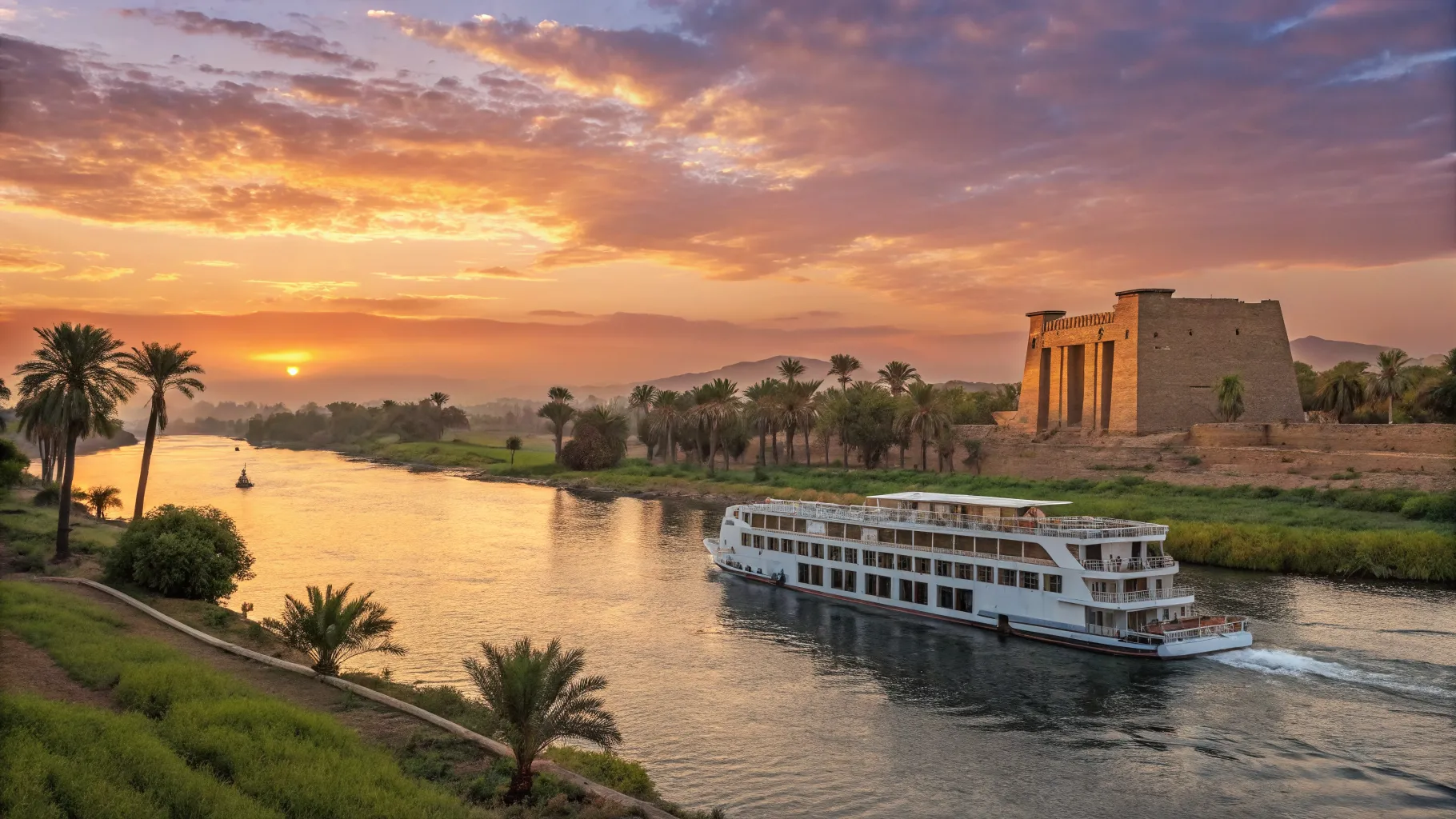
A journey along the Nile River has long been considered one of the most iconic ways to experience the historical grandeur and natural beauty of Egypt. These cruises offer a blend of relaxation and immersive cultural exploration, allowing travelers to trace the footsteps of pharaohs and explore ancient wonders from a unique perspective. Far from a mere mode of transport, a Nile cruise is an experience designed to connect you directly with the heart of Egyptian civilization.
The Enduring Allure of a Nile Cruise
The appeal of a Nile cruise lies in its ability to transport visitors through thousands of years of history while offering comfortable accommodations. Unlike traditional land tours that require frequent hotel changes and extensive bus travel, a cruise provides a floating hotel, bringing the ancient world directly to your doorstep. This convenience allows for a more relaxed pace of discovery, where each day unveils a new marvel without the logistical complexities.
Cruises typically navigate between Luxor and Aswan, two of Egypt's most historically significant cities. This route encompasses a remarkable concentration of temples, tombs, and monuments, including the Valley of the Kings, Karnak Temple, and Philae Temple. The river itself serves as a timeless pathway, offering panoramic views of rural Egyptian life, lush green banks, and the vast desert beyond, providing a context that deepens the understanding of the ancient sites visited.
Common Itineraries and Routes
Most Nile cruises follow established routes, primarily focusing on the stretch of the river between Luxor and Aswan. The most popular itineraries are 3-night cruises from Aswan to Luxor, 4-night cruises from Luxor to Aswan, or combined 7-night journeys that cover both directions. These itineraries are carefully crafted to maximize sightseeing opportunities while maintaining a leisurely pace.
Along these routes, ships typically make stops at key historical sites. These often include the temples of Kom Ombo, dedicated to Sobek and Horus; Edfu Temple, one of the best-preserved ancient Egyptian sanctuaries; and the High Dam in Aswan. In Luxor, excursions extend to the East Bank (Karnak and Luxor Temples) and the West Bank (Valley of the Kings, Hatshepsut's Temple, and the Colossi of Memnon). In Aswan, visitors explore the Unfinished Obelisk and Philae Temple, often reached by a short motorboat ride.
Types of Nile Cruise Vessels
The vessels plying the Nile vary significantly in style, size, and amenities, catering to a wide range of preferences and budgets. From intimate traditional sailboats to large, modern ships, understanding the differences can help travelers choose the right experience. Standard cruise boats, often referred to as 'floating hotels,' are the most common, offering comfortable cabins, restaurants, and a sundeck with a pool.
For those seeking a more exclusive or traditional experience, several alternatives exist. Luxury cruises often provide larger cabins, gourmet dining, and enhanced services, sometimes including spas or butler service. Dahabiyas, traditional wooden sailing boats with only a handful of cabins, offer a more intimate and authentic journey, relying on wind power where possible and often allowing for stops at less-frequented sites. Regardless of the type, most vessels are designed to provide a comfortable base for exploration.
- Standard Cruise Ships: Offer a balance of comfort and value, with multiple decks, swimming pools, and onboard entertainment.
- Luxury Cruise Ships: Feature upscale amenities, spacious suites, fine dining, and personalized service.
- Dahabiyas: Smaller, traditional sailboats providing an intimate, often private, and more customizable experience.
- Felucca: Basic, traditional sailboats offering day trips or very rustic overnight stays, usually without cabins or extensive facilities.
What to Expect Onboard
Life onboard a Nile cruise ship is typically a structured yet relaxing affair. Mornings often begin early to allow for visits to ancient sites before the midday heat. Excursions are usually led by experienced Egyptologists, who provide invaluable historical context and insights into the monuments. Back on the ship, the pace slows, with ample time for dining, relaxing on the sundeck, or enjoying the river views.
Meals are generally served buffet-style, featuring a mix of international and Egyptian cuisine. Evenings may include cultural performances such as belly dancing, a Dervish show, or a Galabiya party, where guests are encouraged to dress in traditional Egyptian attire. These activities foster a sense of community among passengers and add to the overall cultural immersion. Ships also typically have a bar, a lounge, and sometimes a small shop.
Essential Tips for Planning Your Trip
Planning a Nile cruise requires some foresight to ensure the best experience. The most popular time to visit Egypt for a cruise is during the cooler months, from October to April, when the weather is more pleasant for sightseeing. Booking well in advance, especially for peak season or specific luxury vessels, is highly recommended to secure your preferred dates and cabin type. Most cruise packages include accommodation, full board meals, and guided excursions to the main sites.
When preparing for your trip, consider packing light, comfortable clothing suitable for warm weather, along with sturdy walking shoes for archaeological sites. Sun protection, including hats, sunglasses, and high-SPF sunscreen, is essential. It's also wise to carry a small daypack for excursions to hold water, snacks, and any personal items. Ensure your passport is valid and check the latest visa requirements for your nationality before travel.
- Best Time to Travel: October to April for comfortable weather.
- Booking: Essential to book several months in advance, especially for peak season.
- What's Included: Typically full board, excursions, and an Egyptologist guide.
- Packing: Light clothing, comfortable shoes, sun protection, a daypack.
- Documentation: Valid passport and necessary visa arrangements.
Navigating Health and Safety Considerations
While on a Nile cruise, attention to health and safety can help ensure a smooth and enjoyable journey. Hydration is crucial in Egypt's warm climate, so drinking plenty of bottled water is advised. It is generally recommended to avoid tap water and be mindful of consuming uncooked foods, salads, or street food to minimize the risk of upset stomachs. Most reputable cruise ships maintain high standards of hygiene in their food preparation.
Regarding personal safety, Egypt is generally a safe country for tourists, and cruise operators adhere to standard security protocols. During excursions, it's advisable to stay with your tour group and follow the guidance of your Egyptologist. Be aware of your surroundings, especially in crowded markets. Keeping valuables secure and exercising common sense, as you would in any foreign travel destination, contributes to a worry-free experience on the magnificent Nile.
Authored by MyTrendSpot team