Unlock Deals: Your Guide to Government Surplus Vehicle Auctions on Sale
Facts:
- Huge savings on quality vehicles.
- Growing interest in federal vehicle sales for budget-conscious buyers.
Navigating the World of Government Surplus Vehicle Auctions
Embarking on the journey to acquire a vehicle through government surplus vehicle auctions can be an incredibly rewarding experience, offering substantial savings compared to traditional dealerships. These auctions provide a unique opportunity for individuals and businesses alike to purchase a wide array of vehicles, from everyday sedans to specialized heavy equipment, directly from federal, state, and local agencies. Understanding the intricacies of public auto auctions and how they operate is crucial for anyone hoping to secure a great deal on reliable transportation. This guide will illuminate the process, highlight the benefits, and equip you with the knowledge to confidently participate in these competitive sales events.
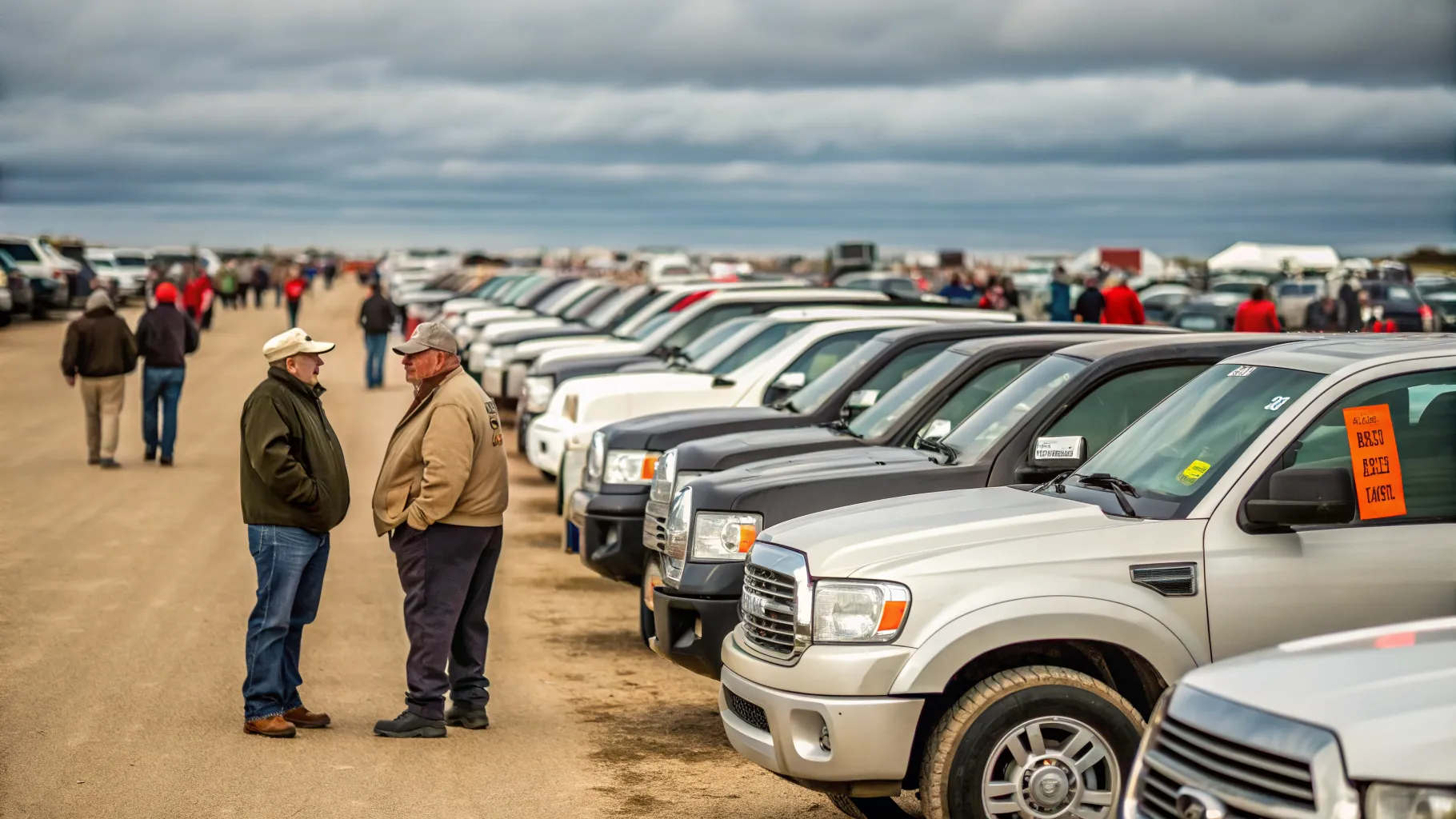
The Appeal of Federal Vehicle Sales
The allure of federal vehicle sales lies in several compelling factors. Firstly, the sheer volume and variety of vehicles available are often unmatched by private sellers. Government agencies frequently cycle through their fleets, ensuring a steady supply of vehicles that have typically been well-maintained according to strict government standards. This can translate to greater reliability for the buyer, even for used government cars that have accumulated considerable mileage. Furthermore, the auction format often allows for significantly lower purchase prices, making it an attractive option for those working with a tight budget or looking for a project vehicle. These sales are transparent and accessible, offering a direct channel to acquire assets that might otherwise be out of reach.
Where to Find Government Surplus Vehicle Auctions
Locating active government surplus vehicle auctions requires a bit of research, but the resources are readily available. Federal agencies like the General Services Administration (GSA) often host their own online platforms, such as GSA Auctions, which list vehicles from various government departments. State and local government entities, including police departments, municipalities, and school districts, also conduct their own sales, often through dedicated auction websites or local public auction houses. It's essential to explore both online and physical auction opportunities, as each venue might offer different types of vehicles and bidding experiences. Subscribing to email notifications from these platforms can help you stay informed about upcoming sales and ensure you don't miss out on potential deals for used government cars or other equipment.
A Step-by-Step Guide to Public Auto Auctions
Participating in public auto auctions, particularly those involving government surplus, demands a methodical approach. From initial registration to final vehicle pickup, each stage requires attention to detail to ensure a smooth and successful transaction. Understanding these steps is paramount for effective surplus vehicle bidding.
Pre-Auction Preparation
Before any bidding begins, thorough preparation is critical. This involves registering with the specific auction platform or facility, which usually requires a valid ID and sometimes a refundable deposit. More importantly, it means researching the available vehicles. Scrutinize all provided information, including service records, accident history, and detailed descriptions. If possible, always physically inspect the vehicles of interest. This allows you to assess their true condition, check for fluid leaks, test electrical components, and identify any issues not disclosed in the online listing. Setting a strict budget beforehand, including potential repair costs and auction fees, will prevent overspending in the heat of the moment.
The Bidding Process Explained
Whether online or in-person, the bidding process for government surplus vehicle auctions can be fast-paced. Online auctions often feature proxy bidding, where you set a maximum bid, and the system automatically bids on your behalf up to that limit. Live auctions, however, require quick decisions and a clear understanding of the auctioneer's pace. It's crucial to bid only what you're comfortable spending and avoid getting caught up in bidding wars. Familiarize yourself with the increment amounts and understand that all bids are legally binding. Remember that the final bid price does not usually include additional fees like buyer's premiums, taxes, and title transfer fees, which can significantly add to the overall cost.
Post-Auction Logistics
Once you've successfully won a bid, prompt action is required. Payment deadlines are typically very strict, often within 24-72 hours, and usually require certified funds or wire transfers. Failure to pay on time can result in penalties or even forfeiture of the vehicle. After payment, you'll need to arrange for vehicle pickup within the specified timeframe. This often means bringing a tow truck or flatbed for non-running vehicles, as many used government cars are sold
Authored by MyTrendSpot team