Hamster Adoption: The Perfect Companion for Seniors
Fast Facts:
- Hamsters offer low-maintenance joy.
- Growing trend in senior pet companionship.
Unlocking Joy and Gentle Companionship Through Hamster Adoption for Seniors
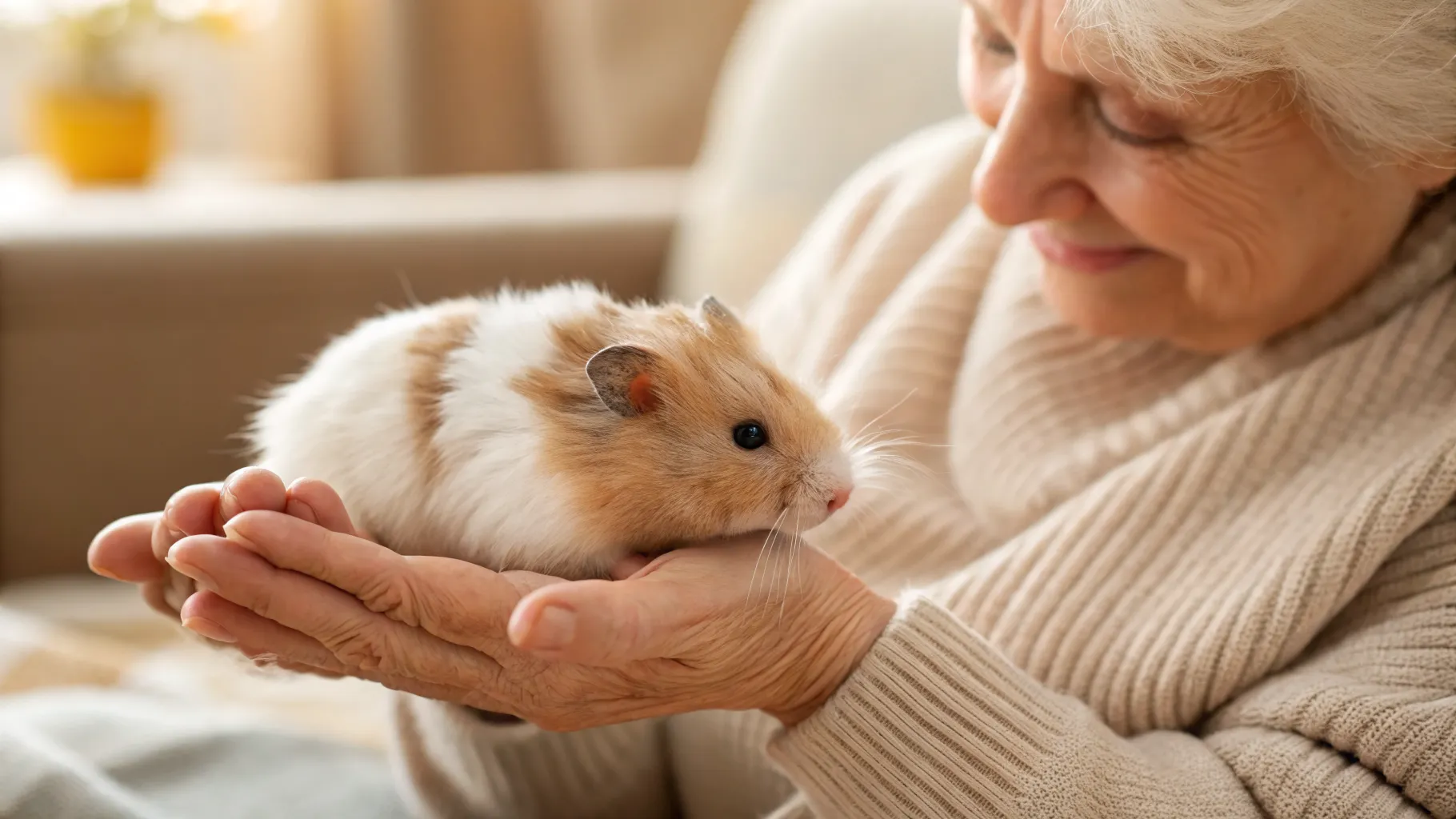
For many individuals in their golden years, the desire for companionship remains strong, yet the demands of larger pets can be overwhelming. This is where hamster adoption for seniors emerges as an ideal solution, offering a unique blend of affection, engagement, and minimal physical exertion. These tiny, enchanting creatures provide a comforting presence and a sense of purpose, enriching the lives of elderly pet owners without requiring extensive daily walks or heavy lifting. The gentle routine of feeding, observing, and interacting with a hamster can significantly alleviate feelings of loneliness and bring a consistent source of delight, making them perfect companion animals for seniors seeking a peaceful, furry friend.
Benefits of Hamster Companionship for Seniors
The decision for hamster adoption for seniors is often rooted in the numerous tangible and intangible benefits these small pets offer. Beyond mere presence, hamsters can profoundly impact the daily lives and overall well-being of their human companions. Their predictable routines and endearing behaviors provide a soothing constant, an anchor in a world that can sometimes feel isolating. This gentle interaction fosters a quiet bond that contributes significantly to mental and emotional health, proving that even the smallest creatures can bring immense happiness to elderly pet owners.
Emotional Support and Stress Reduction
Observing a hamster's playful antics or quiet burrowing can be incredibly therapeutic. The simple act of watching these tiny creatures can lower blood pressure and reduce feelings of anxiety, offering a calming escape from daily worries. For elderly pet owners, this consistent source of gentle interaction and affection serves as a powerful antidote to stress, providing unconditional emotional support that enhances overall emotional well-being. The steady, comforting presence of a hamster can fill a void, making it an invaluable aspect of senior pet companionship.
Promoting Routine and Engagement
One of the often-underestimated benefits of hamster care for seniors is the subtle promotion of a daily routine. While not as demanding as a dog or cat, a hamster still requires regular feeding, water changes, and cage cleaning. These small, manageable responsibilities encourage a structured day, providing a sense of purpose and gentle accountability. This routine, while simple, can be incredibly beneficial for mental sharpness and engagement, offering predictable interactions that many elderly pet owners find comforting and rewarding.
Low-Maintenance Care and Accessibility
The appeal of hamster adoption for seniors is significantly boosted by their low-maintenance nature. They do not require walks, extensive grooming, or complex training. Their primary needs involve a clean cage, fresh food, and water, tasks that are easily manageable for most seniors, even those with limited mobility. This accessibility means that the joy of pet ownership is available to a wider range of individuals, without the physical strain or logistical challenges associated with larger pets. This makes them ideal companion animals for seniors living in apartments or smaller homes.
Fostering a Sense of Purpose
Caring for another living creature, no matter how small, instills a profound sense of purpose. For seniors, who may sometimes feel a diminished role in society, being responsible for a hamster's well-being can be incredibly empowering. This daily act of nurture and love provides a meaningful connection, validating their capacity to give care and receive affection. The bond formed through hamster care for seniors reinforces their importance and contributes to a stronger sense of self-worth and continued engagement with life.
Affordable and Space-Efficient Companions
Beyond their emotional benefits, hamsters offer practical advantages for elderly pet owners. They are relatively inexpensive to adopt and maintain, with modest costs for food, bedding, and initial cage setup. Their small size also makes them perfect for various living situations, from small apartments to assisted living facilities, where larger pets might be prohibited. This blend of affordability and space efficiency makes hamster adoption for seniors a highly accessible and sustainable option for those seeking gentle companionship without significant financial or spatial burdens.
Choosing the Right Hamster and Setting Up Their Home
Embarking on hamster adoption for seniors involves more than just bringing home a furry friend; it requires thoughtful consideration of the hamster's species and the environment you'll provide. Different types of hamsters have distinct personalities and care requirements. Syrian hamsters, for example, are larger and generally more docile, making them easier to handle and often preferred by first-time elderly pet owners. Dwarf hamsters, while smaller and charming, can be quicker and sometimes more prone to nipping if not handled frequently from a young age. Understanding these differences is crucial for ensuring a harmonious relationship and fulfilling the needs of both the pet and the senior. Regardless of species, a spacious cage is non-negotiable, offering ample room for exercise, burrowing, and play, which are all vital for a hamster's physical and mental health. This thoughtful preparation sets the stage for successful hamster care for seniors.
Essential Hamster Care Tips for Senior Owners
Diet and Nutrition: Providing a balanced diet is crucial for your hamster's health. Focus on high-quality commercial hamster food supplemented with small amounts of fresh vegetables and fruits. Avoid sugary treats and always ensure a constant supply of fresh water. Understanding the specific dietary needs helps maintain a healthy hamster care for seniors routine.
Habitat and Environment: A spacious cage with good ventilation is paramount. Include a wheel, bedding for burrowing, and various toys to keep your hamster stimulated. The environment should be quiet and free from drafts. Proper habitat setup is a key aspect of successful hamster adoption for seniors.
Gentle Handling and Interaction: Hamsters are small and can be delicate. Teach yourself gentle handling techniques, especially when first introducing your new companion. Regular, gentle interaction builds trust and strengthens the bond, enhancing the overall experience of senior pet companionship.
Health Monitoring: Pay attention to any changes in your hamster's behavior, eating habits, or appearance. Early detection of health issues is important. While hamsters are generally robust, knowing when to consult a vet is part of responsible elderly pet ownership.
Socialization and Enrichment: Even though hamsters are solitary animals, providing enrichment like tunnels, chew toys, and supervised out-of-cage time is beneficial. This keeps them active and mentally stimulated, contributing to their well-being and your enjoyment of hamster companionship for seniors.
Frequently Asked Questions
Are hamsters good companion animals for seniors?
Yes, hamsters are excellent companion animals for seniors due to their low-maintenance nature, small size, and capacity to provide comfort and routine without demanding extensive physical effort. They offer a gentle presence that can combat loneliness and add joy to daily life.
What are the main benefits of hamster adoption for seniors?
The primary benefits include emotional support, reduction of stress, fostering a sense of purpose, promoting a gentle daily routine, and being highly manageable pets regarding space and financial commitment. They are ideal for elderly pet owners seeking a simple, yet rewarding pet experience.
How much space does a hamster need for hamster care for seniors?
While small, hamsters need a surprisingly spacious cage (minimum 450 square inches of unbroken floor space is recommended for Syrians) to thrive. This allows for adequate bedding for burrowing, a proper exercise wheel, and various enrichment toys. A larger habitat contributes significantly to a hamster's well-being and the ease of hamster care for seniors.
References
- The Emotional Benefits of Pet Ownership for Seniors
- Small Rodents as Therapy Animals
- Geriatric Pet Care Guidelines
- The Impact of Animal Companionship on Elderly Well-being
Authored by MyTrendSpot team