Navigating the Heat Pump System Replacement Price: A Comprehensive Guide
Facts:
- Modern heat pumps offer significant long-term savings.
- Demand for energy efficiency upgrades continues to rise for homeowners.
Understanding the Heat Pump System Replacement Price
The decision to replace an existing heating, ventilation, and air conditioning (HVAC) system with a modern heat pump is a significant investment for any homeowner. Understanding the comprehensive heat pump system replacement price is crucial for effective financial planning and ensuring a comfortable, efficient home environment. This guide will delve into the various components that contribute to the overall new heat pump installation cost, from equipment and labor to potential upgrades and long-term savings.
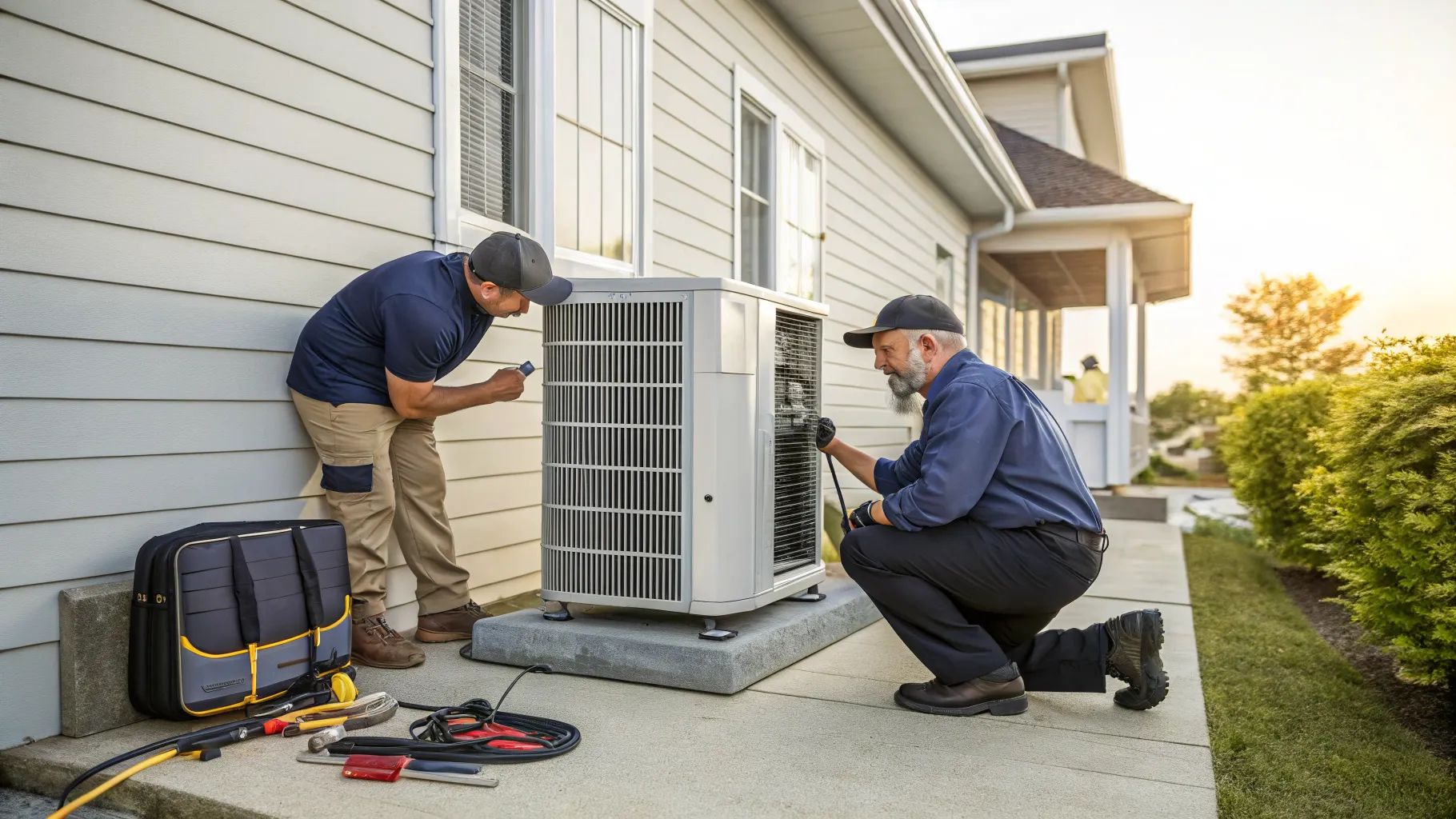
Key Factors Influencing Your New Heat Pump Installation Cost
Several critical factors dictate the final new heat pump installation cost. These include the type of heat pump, its size and efficiency rating, the complexity of the installation, and regional labor rates. Homeowners must consider these variables to obtain an accurate estimate for their specific needs. For instance, a geothermal heat pump, while offering superior long-term savings, will have a substantially higher upfront heat pump system replacement price compared to an air-source model. Similarly, the required heating and cooling capacity for your home directly impacts the size of the unit and, consequently, its price.
Breakdown of Heat Pump Replacement Cost Components
When budgeting for a heat pump replacement cost, it's essential to dissect the various expenditure categories. The equipment itself typically represents the largest portion, encompassing the outdoor unit, indoor air handler, and refrigerant lines. Installation labor, which includes removing the old system and setting up the new one, is another significant component. Additional costs can arise from necessary ductwork modifications, electrical upgrades to support the new system, and permits required by local authorities. Understanding this breakdown helps homeowners evaluate quotes more effectively and anticipate potential hidden expenses during their HVAC replacement.
Comparing Air-Source, Geothermal, and Ductless Mini-Split Heat Pumps
The market offers various types of heat pumps, each with distinct advantages and associated costs. Air-source heat pumps are the most common, providing an efficient heating and cooling solution by transferring heat between your home and the outside air. Their heat pump replacement cost is generally lower. Geothermal heat pumps, while having a much higher initial investment due to ground loop installation, offer superior efficiency and significantly lower operating costs over their lifespan, making them a premium choice for long-term energy efficiency upgrades. Ductless mini-split heat pumps are ideal for homes without existing ductwork or for zoned heating and cooling, offering flexible installation but potentially higher costs per zone. Homeowners should weigh the upfront heat pump system replacement price against long-term operational savings and their specific climate and home structure when making a decision.
Maximizing Savings and Efficiency with Your Heat Pump Upgrade
Beyond the initial heat pump system replacement price, numerous opportunities exist to maximize long-term savings and enhance energy efficiency. Investing in a higher SEER (Seasonal Energy Efficiency Ratio) and HSPF (Heating Seasonal Performance Factor) rated unit can lead to substantial reductions in utility bills. Many government programs and local utilities offer rebates, tax credits, and incentives for installing energy-efficient heating systems. Furthermore, integrating smart thermostats and ensuring proper insulation and air sealing throughout your home can significantly boost the performance of your new heat pump, solidifying your heat pump upgrade as a wise financial and environmental decision.
Practical Steps for a Smooth Heat Pump System Replacement
Obtain Multiple Quotes: Always get at least three detailed quotes from reputable HVAC contractors. This allows for comparison of the heat pump system replacement price, scope of work, and warranty information, ensuring you get the best value for your new heat pump installation.
Assess Your Home's Needs: Have a professional conduct a load calculation to determine the appropriate size of your new heat pump. An incorrectly sized unit, whether too small or too large, will operate inefficiently and contribute to higher running costs, undermining the benefits of an energy efficiency upgrade.
Inquire About Warranties: Understand the warranty coverage for both the equipment and the installation labor. A strong warranty provides peace of mind and protects your investment against unforeseen issues, which is critical given the significant heat pump replacement cost.
Check for Incentives and Rebates: Research federal, state, and local incentives, as well as utility company rebates, that can significantly reduce the overall heat pump upgrade expense. These programs are often designed to encourage the adoption of more energy-efficient technologies.
Consider Maintenance Plans: Discuss ongoing maintenance plans with your installer. Regular professional servicing can extend the lifespan of your heat pump, maintain its efficiency, and prevent costly breakdowns, thus protecting your initial HVAC replacement investment.
Frequently Asked Questions
What is the average heat pump replacement cost?
The average heat pump replacement cost for a standard residential split system typically ranges from $4,500 to $12,000, depending on the type, size, brand, and complexity of the new heat pump installation.
How long does a new heat pump installation take?
A standard new heat pump installation usually takes 1 to 3 days. However, more complex projects, such as converting from a furnace or installing a geothermal system, can extend this timeline to several days or even weeks.
Are there incentives for an energy-efficient heat pump upgrade?
Yes, many governments and utility companies offer tax credits, rebates, and grants for installing energy-efficient heating systems like heat pumps. It's recommended to check local and federal programs for eligibility and specific details related to your heat pump upgrade.
What factors increase the heat pump system replacement price?
Factors that can increase the heat pump system replacement price include the need for ductwork modifications, electrical panel upgrades, removal of old hazardous materials, and the choice of a high-efficiency or specialized system like a geothermal unit.
When should I consider an HVAC replacement with a heat pump?
You should consider an HVAC replacement when your current system is over 10-15 years old, frequently breaks down, or shows a significant decrease in efficiency. Upgrading to a modern heat pump can provide better comfort and lower energy bills, justifying the heat pump replacement cost.
References
- US Department of Energy: Energy Saver Guide
- Environmental Protection Agency (EPA): ENERGY STAR Program
- HVAC Industry Association Reports on Equipment Costs
- Local Utility Company Energy Efficiency Programs
- Consumer Reports on Home Heating Systems
Authored by MyTrendSpot team