Understanding Mini Split AC Installation Cost: A Comprehensive Guide
Fast Facts:
- Initial investment for mini splits varies widely.
- Energy efficiency is a primary driver for homeowners.
Deciphering the Mini Split AC Installation Cost
Embarking on a home comfort upgrade often involves considering various heating and cooling solutions. One increasingly popular option is the ductless mini split systems, renowned for their flexibility and efficiency. However, a primary concern for many homeowners is the overall mini split AC installation cost. This comprehensive guide will break down the components that contribute to the price, helping you understand what to expect when investing in these versatile climate control units.
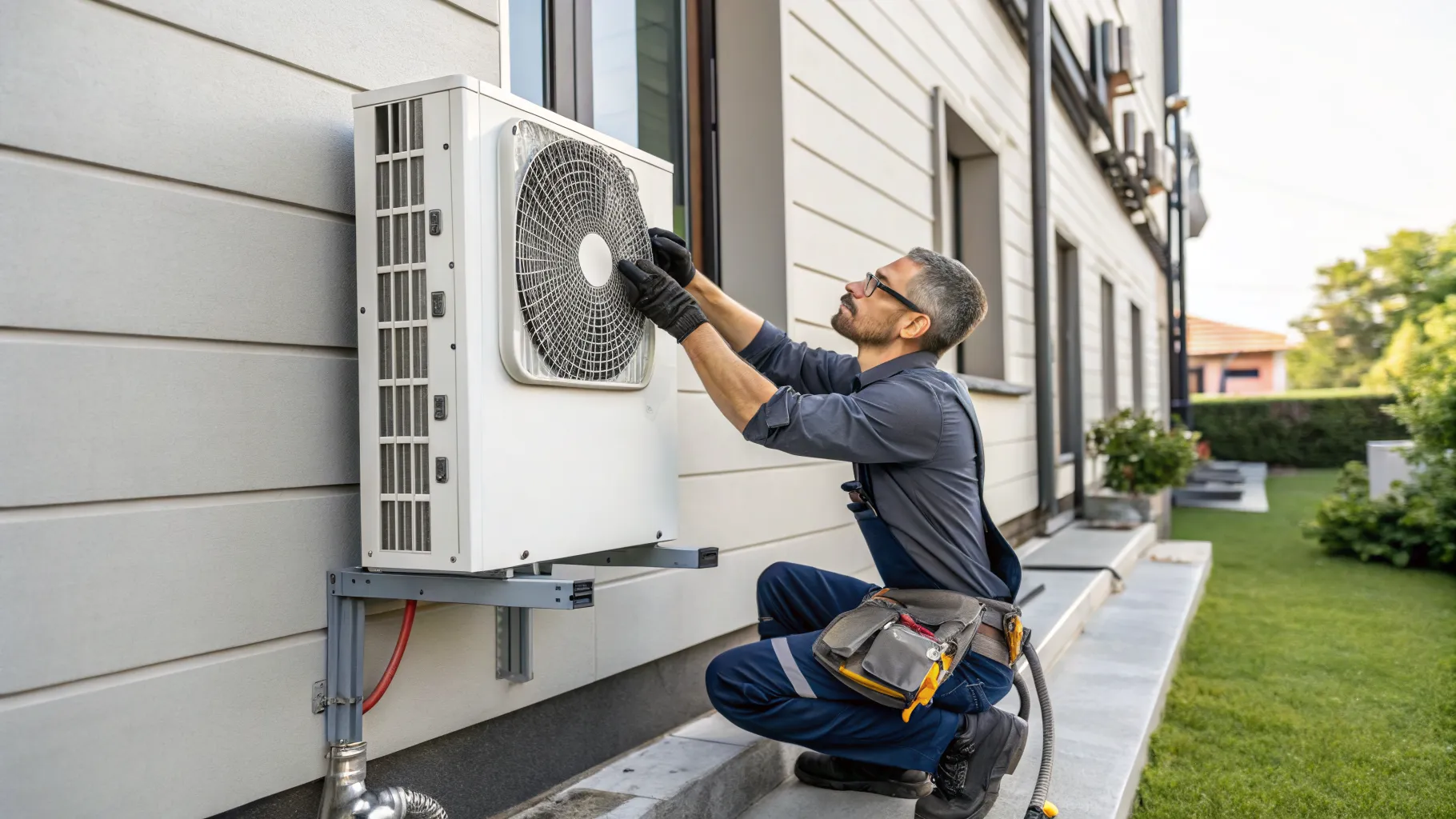
Key Factors Influencing Mini Split AC Installation Cost
The total mini split AC installation cost isn't a fixed figure; rather, it's a dynamic sum influenced by several critical factors. Understanding these elements is crucial for budgeting and making informed decisions. One significant factor is the type and size of the ductless mini split systems chosen. A single-zone system, designed to cool or heat one room, will naturally have a lower price point than a multi-zone system that caters to multiple areas within a home. The BTUs (British Thermal Units) required for effective heating and cooling also play a major role, as larger spaces demand higher BTU capacities, leading to more powerful and expensive units. Furthermore, the brand of the mini split unit can significantly impact the cost, with premium brands often commanding higher prices due to advanced features, superior warranty coverage, and enhanced performance metrics. Installation complexity is another paramount consideration, as homes with difficult access points, older electrical systems requiring upgrades, or intricate piping routes will inevitably incur higher labor charges from HVAC professionals. Lastly, regional labor rates and local permit requirements can introduce variability into the final cost.
Breakdown of Components in Mini Split AC Installation
When you receive an estimate for your mini split AC installation cost, it typically encompasses several distinct components. The largest portion often goes towards the equipment itself, which includes the outdoor condenser unit, the indoor air handler(s), and the necessary refrigerant lines and communication cables. The number of indoor units, each serving a distinct zone, directly impacts this cost. Secondly, labor constitutes a substantial part of the expense. This covers the highly skilled work performed by certified HVAC professionals, including mounting the indoor and outdoor units, drilling necessary holes for line sets, running refrigerant lines, vacuuming the system, connecting electrical wiring, and testing the entire system for optimal operation and refrigerant leaks. Beyond the core installation, additional materials such as condensate pumps, line set covers, outdoor unit pads or stands, and electrical conduits contribute to the overall expenditure. Sometimes, older homes may require electrical panel upgrades to safely accommodate the new system, adding another layer to the investment. Ensuring all components are properly sized and installed is key to maximizing the lifespan and energy efficiency of the system.
Benefits of Investing in Ductless Mini Split Systems
Despite the initial mini split AC installation cost, the long-term benefits of ductless mini split systems often outweigh the upfront expense, making them a wise investment for many homeowners. A primary advantage is their unparalleled energy efficiency. Unlike central HVAC systems that can lose a significant amount of energy through ductwork, mini splits deliver conditioned air directly to the intended space. This direct delivery, coupled with inverter technology that allows the compressor to vary its speed, dramatically reduces energy consumption. Another significant benefit is the flexibility of zoning capabilities. Each indoor unit can be controlled independently, allowing different rooms or areas of your home to be set to different temperatures. This means you only cool or heat the spaces you are actively using, further enhancing energy savings and personalized comfort. Furthermore, mini splits offer improved indoor air quality because they do not rely on dusty ducts and often come with advanced filtration systems. Their compact size and versatile mounting options (wall-mounted, floor-standing, ceiling-recessed) make them suitable for a wide range of applications, including additions, converted attics, and homes without existing ductwork, providing a quiet and effective climate control solution.
Comparing Mini Splits to Traditional HVAC Systems
When considering the mini split AC installation cost, it's beneficial to compare it against the costs and features of traditional ducted HVAC systems. While central air conditioning might have a lower upfront installation cost in homes already equipped with ductwork, the long-term operational expenses can differ significantly. Ductless mini split systems often boast superior energy efficiency due to the absence of duct losses and their sophisticated inverter technology, which allows for precise temperature control and avoids the energy spikes associated with traditional on-off compressors. This typically results in lower monthly utility bills, offering considerable savings over the system's lifespan. From an installation perspective, mini splits are generally less disruptive, as they don't require extensive ductwork installation or modification, making them ideal for older homes, additions, or spaces where ducting isn't feasible. Traditional systems, however, excel at whole-home temperature consistency, distributing air through a centralized system. Mini splits, with their inherent zoning capabilities, offer a different kind of whole-home comfort by allowing individual temperature control for different areas, which can be more advantageous for diverse household needs or unoccupied rooms. The choice often comes down to specific home architecture, budget, and desired level of climate control customization.
Maximizing Your Mini Split Investment and Energy Efficiency
To truly maximize the value of your mini split AC installation cost, focusing on long-term performance and efficiency is paramount. Firstly, always engage certified and experienced HVAC professionals for the installation. Proper sizing and installation are critical; an undersized unit will struggle to heat or cool effectively, leading to increased energy use, while an oversized unit will short-cycle, wasting energy and reducing comfort. Secondly, regular maintenance is essential. This includes cleaning or replacing air filters monthly, ensuring outdoor units are free from debris, and scheduling annual professional tune-ups. These routine tasks ensure your ductless mini split systems operate at peak energy efficiency and extend their lifespan. Thirdly, leverage the advanced features of your mini split, such as programmable thermostats, eco-mode settings, and the aforementioned zoning capabilities. By only conditioning the rooms you are using and setting appropriate temperatures when away, you can significantly reduce energy consumption. Finally, consider pairing your mini split with proper home insulation and sealing air leaks; a well-insulated home will retain conditioned air more effectively, allowing your mini split to work less, further contributing to savings and overall comfort.
Choosing the Right Mini Split System for Your Home
Selecting the ideal ductless mini split systems involves a thoughtful assessment of your specific needs and property characteristics, directly influencing the ultimate mini split AC installation cost. The first step is to accurately determine the heating and cooling load for each zone you intend to condition. This requires professional evaluation by HVAC professionals to ensure proper BTU sizing. An incorrect size can lead to inefficiency and discomfort. Next, consider the number of zones required; do you need a single-zone system for an attic conversion or a multi-zone setup for several bedrooms and a living area? This decision heavily impacts the equipment cost. Explore various brands and models, comparing their Seasonal Energy Efficiency Ratio (SEER) and Heating Seasonal Performance Factor (HSPF) ratings to gauge their energy efficiency. Higher ratings often translate to lower operating costs over time, helping to offset the initial mini split AC installation cost. Also, evaluate features like remote control capabilities, smart home integration, noise levels, and advanced filtration systems. Finally, obtain multiple quotes from reputable local contractors. A detailed quote should break down the equipment cost, labor fees, and any additional materials or permits, allowing for a clear comparison and ensuring you select a system that provides optimal comfort and value for your home.
Frequently Asked Questions
What is the average mini split AC installation cost?
The average mini split AC installation cost typically ranges from $2,000 to $15,000, depending on factors such as the number of indoor units, BTU capacity, brand, and installation complexity. Single-zone systems are generally on the lower end, while multi-zone systems with higher capacity units will be more expensive.
How long does ductless mini split systems installation take?
The installation time for ductless mini split systems can vary. A single-zone system might take a professional team one day to install, while a multi-zone system with several indoor units and more complex routing could take two to three days.
Are ductless mini split systems energy efficient?
Yes, ductless mini split systems are highly regarded for their energy efficiency. They use inverter technology to precisely control compressor speed and eliminate energy loss through ducts, often resulting in lower utility bills compared to traditional central air systems.
Do mini splits require special electrical work?
Many ductless mini split systems require a dedicated electrical circuit. It's crucial for HVAC professionals to assess your home's existing electrical panel to determine if it can safely support the new load or if an upgrade is necessary, which can affect the overall mini split AC installation cost.
Can I install a mini split myself to save on mini split AC installation cost?
While DIY kits exist, it is strongly recommended to hire certified HVAC professionals for mini split installation. Improper installation can lead to refrigerant leaks, inefficient operation, voided warranties, and potential safety hazards, ultimately costing more in the long run than the initial mini split AC installation cost saved.
References
- National Comfort Institute (NCI) resources on ductless technology.
- Department of Energy (DOE) publications on energy-efficient heating and cooling.
- Industry standards from Air Conditioning Contractors of America (ACCA).
Authored by MyTrendSpot team