Navigating Eswatini Medical Supply Auctions: A Guide to Government Equipment Procurement
Facts:
- Eswatini faces consistent demand for healthcare resources.
- Government auctions offer cost-effective solutions for public health procurement.
Understanding the Landscape of Eswatini Government Medical Auctions
Acquiring essential medical supplies and equipment is a critical endeavor for healthcare providers, NGOs, and even private clinics within Eswatini. The process of accessing these vital resources can often be complex, but one of the most effective and often cost-efficient avenues is through Eswatini medical supply auctions. These events are organized by the government to dispose of surplus, decommissioned, or confiscated medical assets, providing a unique opportunity for various stakeholders to obtain high-quality government medical equipment Eswatini at competitive prices. Understanding the intricacies of these auctions, from initial announcements to final procurement, is paramount for successful participation in this specialized form of public health procurement Eswatini.
Key Steps to Participate in Eswatini Medical Supply Auctions
Engaging with Eswatini medical supply auctions requires a systematic approach, starting long before the actual bidding begins. Potential buyers must be proactive in their research and preparation to ensure they meet all requirements and maximize their chances of success. This comprehensive guide outlines the fundamental steps involved in participating effectively.
Registration and Due Diligence
Before any bidding can occur, prospective participants must often register with the relevant government body or auctioneer. This process typically involves providing identification, business registration documents (if applicable), and sometimes a refundable deposit. Thorough due diligence is crucial; understanding the terms and conditions, legal disclaimers, and payment policies specific to each auction is vital. Failure to adhere to these preliminary steps can result in disqualification or complications later in the auction procedures Eswatini.
Locating Auction Announcements
Information about upcoming Eswatini medical supply auctions is usually disseminated through official government gazettes, local newspapers, and sometimes on government ministry websites (e.g., Ministry of Health or Finance). Regularly checking these sources is essential for identifying auction dates, locations, and the types of government medical equipment Eswatini that will be available. Subscribing to relevant government mailing lists or establishing contacts within the procurement departments can also provide a distinct advantage in staying informed about surplus medical supplies Eswatini opportunities.
Inspection and Valuation of Items
A critical stage in the procurement process is the physical inspection of the medical supplies and equipment prior to the auction. Most auctions will designate specific viewing days where potential buyers can examine the items firsthand. This allows for an assessment of the condition, functionality, and any potential defects. It is advisable to bring qualified technical personnel to evaluate complex machinery. Based on this inspection, bidders can determine a fair market value and establish their maximum bid, preventing overpayment or acquiring faulty equipment.
Navigating the Bidding Process for Government Medical Equipment
Once the preparatory stages are complete, the actual bidding process for government medical equipment Eswatini requires strategic thinking and a clear understanding of the auction format. Whether it’s a traditional live auction or a modern online platform, adherence to established auction procedures Eswatini is key.
Online vs. Live Auctions
Eswatini government auctions can take various forms. Live auctions often involve on-site bidding where participants physically attend and place bids in person. These can be fast-paced and require quick decision-making. Online auctions, on the other hand, offer more flexibility, allowing participants to bid remotely over a set period. Each format has its own dynamics, and understanding which method is being used is crucial for preparing a suitable bidding strategy. Both types offer opportunities for securing valuable surplus medical supplies Eswatini.
Payment and Collection Procedures
Successful bidders are typically required to make payment within a specified timeframe after the auction concludes. This often involves a down payment immediately followed by the full balance within a few days. Payment methods can vary, but commonly include bank transfers or certified cheques. Following payment, arrangements must be made for the collection of the purchased Eswatini medical supply auctions items. This involves logistical planning, especially for large or delicate medical equipment, and ensuring all necessary paperwork for transfer of ownership is completed.
Types of Medical Supplies and Equipment Available
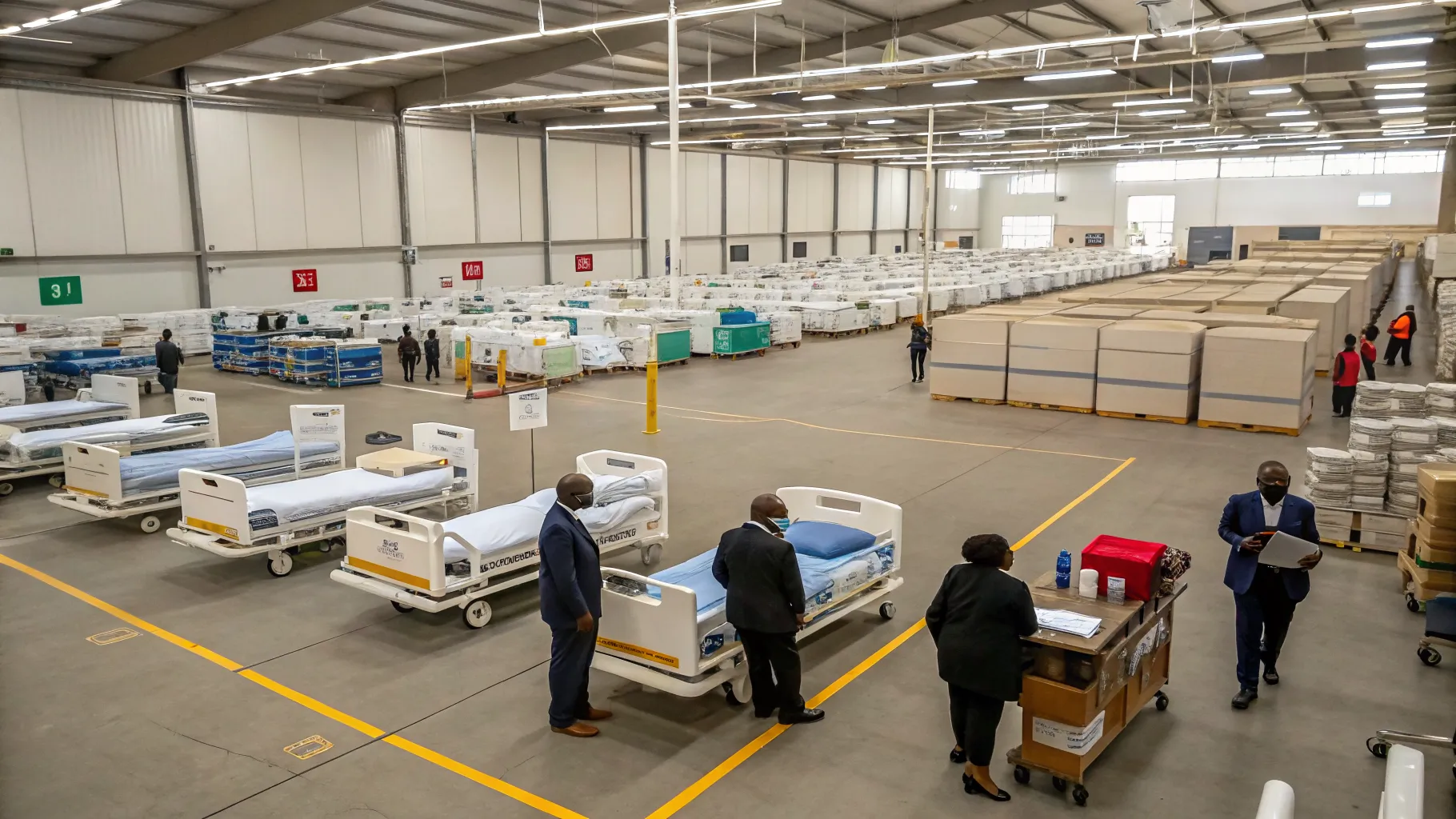
The range of surplus medical supplies Eswatini available through government auctions can be surprisingly diverse, catering to a wide spectrum of healthcare needs. From basic consumables to advanced diagnostic machinery, these auctions provide an opportunity to acquire items that are essential for the functioning of any medical facility. Common items include hospital beds, operating theatre equipment, various surgical instruments, laboratory equipment, imaging devices (like X-ray machines, though these require specialized handling), and a variety of disposable medical supplies such as bandages, syringes, and protective gear. Pharmaceuticals might occasionally be available, but typically come with strict regulatory requirements.
Legal and Regulatory Considerations for Public Health Procurement
Participating in public health procurement Eswatini through government auctions is not merely about identifying items and bidding; it also involves navigating a specific legal and regulatory framework. All purchases must comply with national health standards, licensing requirements, and import/export regulations if the items are intended for cross-border use or further distribution. Buyers are responsible for ensuring that any acquired government medical equipment Eswatini meets the necessary safety and operational standards before deployment. It is advisable to consult with legal experts familiar with Eswatini's healthcare and procurement laws to ensure full compliance and avoid future complications.
Maximizing Your Success in Acquiring Surplus Medical Supplies
To truly excel in acquiring high-value surplus medical supplies Eswatini from government auctions, a proactive and informed strategy is indispensable. Beyond merely showing up and bidding, successful participants often employ several tactics to gain an edge and secure the best deals.
- Conduct Thorough Market Research: Before an auction, research the market value of similar items to avoid overpaying. Understand what constitutes a fair price for used government medical equipment Eswatini.
- Set a Strict Budget: Establish a clear maximum bid for each item you are interested in and stick to it. Emotional bidding can lead to financial regret, especially in competitive auction procedures Eswatini.
- Network with Other Buyers: Sometimes, forming consortiums with other interested parties can allow for bulk purchases at better rates or facilitate the sharing of large equipment.
- Understand 'As Is, Where Is' Terms: Most government auctions sell items 'as is, where is,' meaning there are no warranties or guarantees. Your pre-inspection is your only safeguard against acquiring defective goods.
- Plan Logistics in Advance: For large or sensitive equipment, arrange transport and specialized handling well before the auction. This ensures a smooth collection process and prevents damage.
- Stay Patient and Persistent: Not every auction will yield the desired items. Persistence in monitoring announcements and participating in multiple Eswatini medical supply auctions will ultimately lead to success.
Frequently Asked Questions
Who can participate in Eswatini medical supply auctions?
Generally, any individual or registered entity can participate, though specific auctions may have additional eligibility criteria. It is crucial to review the terms and conditions for each auction event, especially regarding the purchase of specific government medical equipment Eswatini.
What kind of government medical equipment Eswatini is typically available?
The inventory varies widely but often includes hospital beds, surgical instruments, diagnostic equipment, laboratory supplies, and a range of consumable medical products. The types of surplus medical supplies Eswatini depend on what the government is liquidating at the time.
Are there specific regulations for public health procurement Eswatini via auctions?
Yes, all procurement activities must adhere to Eswatini's public procurement laws and health regulations. Buyers are responsible for ensuring compliance, particularly for items intended for patient care or regulated use, which often falls under public health procurement Eswatini guidelines.
How do I get notified about upcoming surplus medical supplies Eswatini auctions?
Official announcements are typically made in government gazettes, national newspapers, and sometimes on the websites of relevant ministries. It is recommended to regularly check these sources or contact the Ministry of Health or Finance for scheduled Eswatini medical supply auctions.
References
- Eswatini Ministry of Health Official Publications.
- Eswatini Public Procurement Act (2019).
- Reports on Healthcare Infrastructure Development in Eswatini.
- Guidelines for Disposal of Government Assets in Eswatini.
Authored by MyTrendSpot team