Your Guide to Buying Surplus Military Vehicles in Eswatini
Facts:
- Eswatini's defence force occasionally sells decommissioned assets.
- Growing interest in surplus military vehicles in Eswatini for various uses.
Navigating the Acquisition of Surplus Military Vehicles in Eswatini
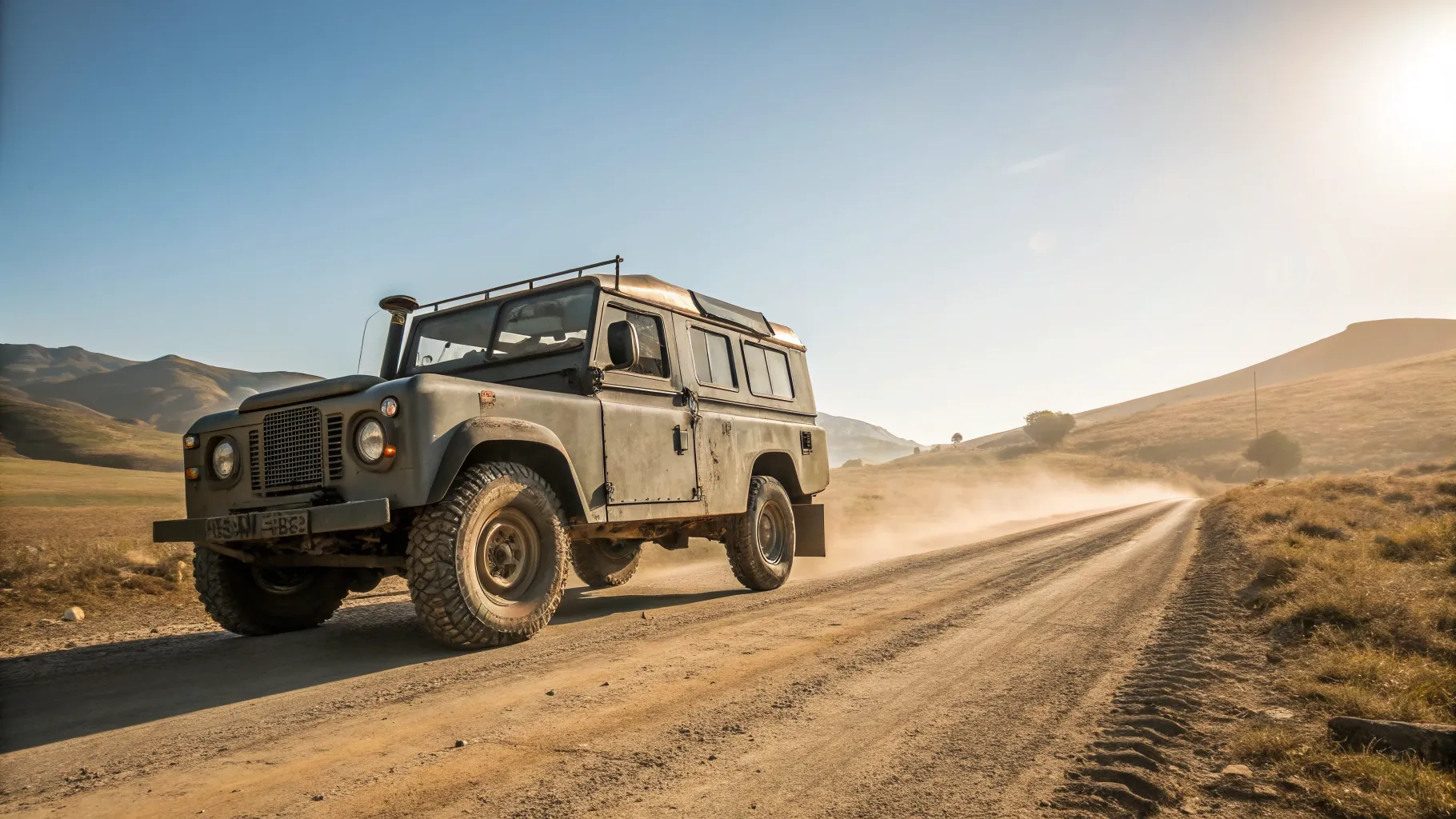
Embarking on the journey to acquire a surplus military vehicle in Eswatini can be an intriguing prospect, offering robust, versatile, and often historically significant machinery. Whether for agricultural use, off-road expeditions, or even collector's items, understanding the intricate process of ex-military vehicle procurement Swaziland is paramount. This comprehensive guide will illuminate the pathways, challenges, and critical considerations for potential buyers in the Kingdom, ensuring a well-informed and successful purchase within the dynamic Eswatini defence surplus market.
Understanding the Eswatini Defence Surplus Market Landscape
The market for surplus military vehicles in Eswatini is distinctive, primarily driven by government decommissioning cycles and, to a lesser extent, private sales of previously acquired assets. Buyers should first investigate official channels, such as public tenders or direct sales announced by the Eswatini Ministry of Defence or relevant government agencies. These sales often involve a range of vehicles, from logistical transport trucks and utility vehicles to specialized equipment, all subject to specific terms and conditions. The condition of these vehicles can vary widely, from those requiring extensive refurbishment to relatively well-maintained units. Prospective purchasers engaging in ex-military vehicle procurement Swaziland must thoroughly examine maintenance records and operational history, as this significantly impacts the vehicle's long-term viability and cost of ownership. Understanding the nuances of this market is crucial for successful acquisition.
Legal and Regulatory Framework for Importing Surplus Vehicles Eswatini
Acquiring a surplus military vehicle in Eswatini involves navigating a complex web of legal and regulatory requirements. Key considerations include obtaining necessary import permits, understanding customs duties, and ensuring compliance with local roadworthiness standards. Unlike standard civilian vehicles, former military assets may carry specific restrictions or require special clearance due to their origin and previous use. Prospective buyers engaging in importing surplus vehicles Eswatini must be prepared for stringent inspections and extensive documentation processes. It is highly advisable to consult with local legal experts or specialized import agents who are familiar with Eswatini's specific automotive and defence sector regulations to ensure a smooth transition of ownership and legal operation on civilian roads. Failure to comply can result in significant penalties, impoundment, or even confiscation of the purchased vehicle, making due diligence paramount in the Eswatini defence surplus market.
Key Steps in Ex-Military Vehicle Procurement Swaziland
The process of ex-military vehicle procurement Swaziland typically begins with identifying potential sources. Official government auctions, direct defence force sales, and occasionally, specialized private dealers or brokers are the primary avenues. Once a vehicle of interest is located, thorough inspection is non-negotiable. This involves a mechanical assessment, verification of the vehicle identification number (VIN), and a review of all available service history and documentation. Following inspection, negotiation on price and terms of sale is standard, with buyers encouraged to leverage their knowledge of market value and the vehicle's condition. The final stages involve completing the purchase agreement, settling payment, and diligently handling all transfer of ownership documentation, including titles, registration, and any export/import clearances. Each step is critical to ensure a legitimate and hassle-free acquisition of surplus military vehicles in Eswatini.
Financing and Logistics for Your Surplus Military Vehicles in Eswatini Purchase
Financing the purchase of surplus military vehicles in Eswatini requires careful planning, as traditional automotive loans may not always apply to these specialized assets. Buyers often rely on personal savings, specialized asset financing, or even business loans if the vehicle is intended for commercial use. Beyond the purchase price, significant logistical considerations come into play. Transporting these often large and heavy vehicles from the point of sale to their intended destination within Eswatini or for export demands specialized equipment and permits. Furthermore, budget allocation for immediate post-purchase modifications and repairs is crucial. Many ex-military vehicle procurement Swaziland vehicles require adjustments to meet civilian road standards, such as changes to lighting, seating, or even emission controls. Accounting for these upfront and ongoing costs is vital for a realistic financial plan when acquiring from the Eswatini defence surplus market.
Common Pitfalls and How to Avoid Them in Military Vehicle Auctions Eswatini
Participating in military vehicle auctions Eswatini can be exciting, but it also comes with potential pitfalls that astute buyers must be aware of. One common issue is misrepresentation of vehicle condition; always assume that vehicles are sold
Authored by MyTrendSpot team