How to Select a Bird Bath for a Small Patio: The Ultimate Guide to Compact Bird Baths
Fast Facts:
- Small outdoor spaces are increasingly popular.
- Demand for compact bird bath solutions is rising for urban dwellers.
Navigating Your Choices for a Small Patio Bird Bath
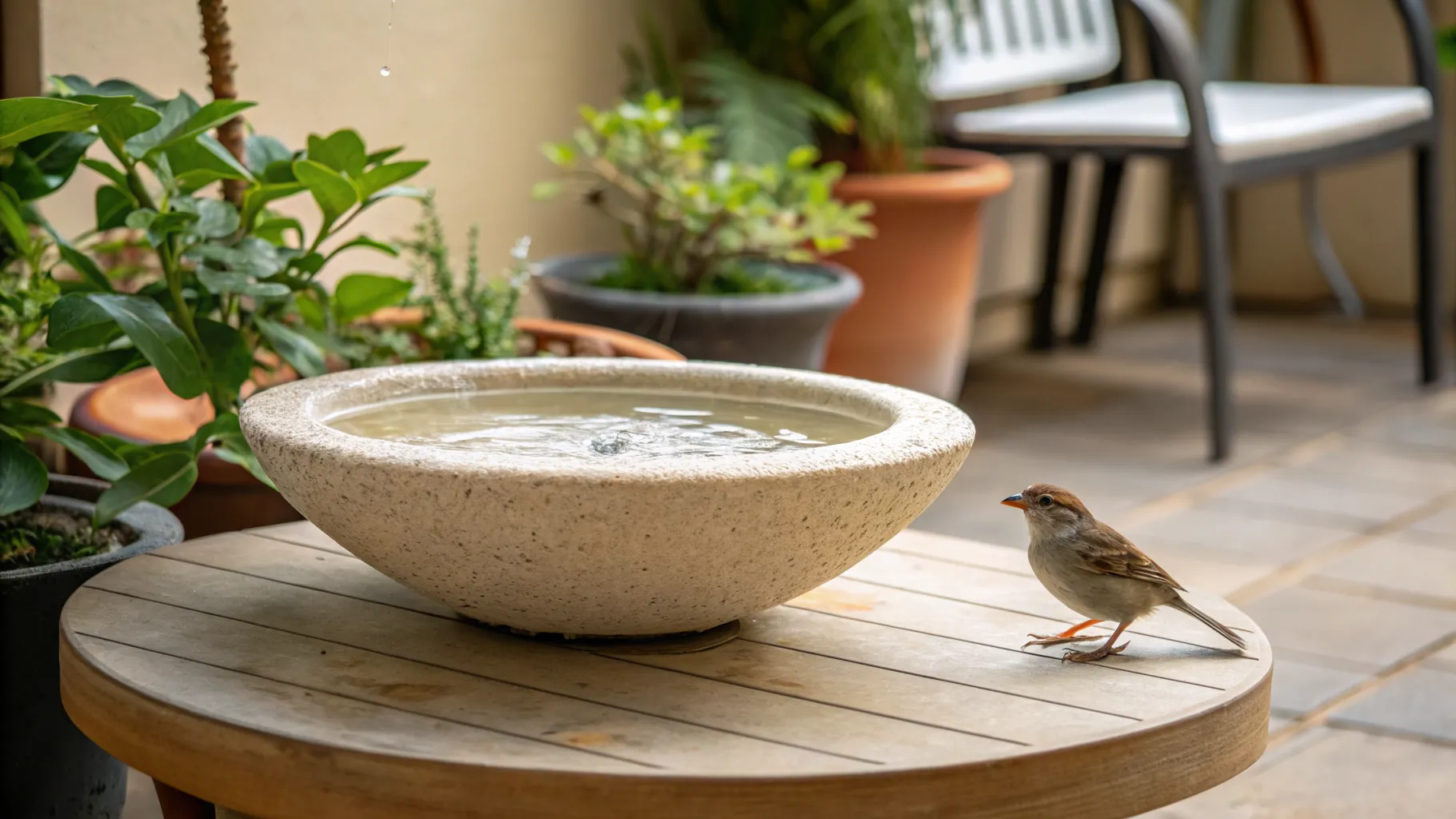
Finding the ideal small patio bird bath can transform a modest outdoor area into a vibrant wildlife sanctuary. Many homeowners believe their limited space restricts them from enjoying the beauty of avian visitors, but with careful consideration, even the tiniest balcony or patio can host a functional and attractive compact bird bath. This guide will walk you through the essential factors for successful patio bird bath selection, ensuring you attract feathered friends without sacrificing valuable outdoor real estate.
Understanding Your Small Patio's Constraints and Potential
Before diving into specific models, it's crucial to thoroughly assess your small patio environment. Consider the available footprint: how much actual ground or surface area can you dedicate to a small patio bird bath without impeding walkways or other furniture? Also, evaluate sun exposure throughout the day. A bird bath placed in constant direct sunlight might lead to rapid water evaporation, requiring more frequent refills, or could make the water too warm for birds. Conversely, too much shade might promote algae growth. Wind patterns are another factor; strong gusts could knock over lightweight models or splash water out quickly. Understanding these constraints will significantly narrow down your options and guide your patio bird bath selection towards a truly suitable solution.
Key Considerations for Compact Bird Bath Design
When selecting a compact bird bath, several design elements come into play to ensure both functionality and aesthetic appeal in a restricted space. The material, depth, and overall footprint are paramount. For instance, pedestal bird baths, while classic, might take up too much horizontal space for a very narrow patio. Hanging bird baths or those designed to attach to railings offer excellent space-saving bird bath alternatives. Look for designs that are sturdy yet lightweight enough to move if necessary, and ensure the bowl is shallow enough for birds to comfortably bathe without risk.
Material Matters for Durability and Aesthetics
The material of your small patio bird bath influences its durability, weight, and visual integration with your outdoor décor. Ceramic bird baths can be attractive but are often heavier and prone to cracking in freezing temperatures, making them less ideal for all climates or frequent relocation. Resin or recycled plastic options are typically lighter, more durable, and often mimic the look of stone or metal at a lower cost, providing a versatile compact bird bath solution. Metal bird baths, such as copper or wrought iron, offer a rustic or elegant look and are very sturdy, though they can heat up quickly in direct sun. Consider the overall aesthetic of your patio and choose a material that complements it while meeting practical requirements for a robust deck bird bath or patio fixture.
Depth and Design for Avian Safety and Comfort
The optimal depth for a small patio bird bath is crucial for attracting birds and ensuring their safety. Birds prefer shallow water, generally no more than 1 to 2 inches deep at the center, gently sloping to even shallower edges. A textured surface at the bottom of the bowl can provide better grip for birds. Designs with wide, flat edges are also preferred, as they offer perching spots before birds enter the water. Avoid overly deep or slippery bowls. Some compact bird bath designs incorporate a small integrated perching rock or textured interior, which can be highly beneficial. This attention to detail in design significantly enhances the likelihood of birds using your new addition.
Types of Space-Saving Bird Baths for Small Patios
Exploring the variety of available bird baths specifically designed for limited spaces is essential for effective patio bird bath selection. Traditional pedestal models might be too bulky, but there are numerous ingenious designs tailored for smaller areas. Each type offers unique advantages in terms of footprint, installation, and visual impact, making it easier to find a space-saving bird bath that fits your specific needs.
Hanging Bird Baths: Utilizing Vertical Space
Hanging bird baths are an excellent choice for a small patio as they free up valuable floor space. These typically come with chains or hooks and can be suspended from eaves, sturdy pergolas, or even strong tree branches if available nearby. They are often lighter in weight, making them easy to install and clean. Materials range from lightweight plastic and resin to ceramic or metal. When choosing a hanging model, ensure the hanging mechanism is secure and that the bath itself is stable enough not to sway excessively in the wind, which could deter birds. This type of compact bird bath can also be a stylish decorative element, adding vertical interest to your patio.
Railing-Mounted Bird Baths: Secure and Streamlined
For patios with sturdy railings, a railing-mounted bird bath is an incredibly efficient space-saving bird bath option. These designs feature clamps or brackets that securely attach the bird bath bowl directly to the top or side of a deck or balcony railing. They are typically compact and keep the bird bath at a convenient height for viewing. Ensure the mounting mechanism is robust and compatible with your railing's dimensions. This type of deck bird bath is particularly effective in urban settings where floor space is at an absolute premium, offering a stable and easily accessible water source for birds.
Ground-Level and Low-Profile Options
While many focus on elevating bird baths, some compact bird bath designs are intended for ground level, mimicking natural puddles. These low-profile options can be subtly integrated into a corner of a small patio or tucked amongst potted plants. They often have a naturalistic appearance and can be quite stable. The primary consideration for ground-level bird baths is cleanliness, as they are more susceptible to debris and potential predators. However, for patios with existing garden beds or mixed landscaping, a carefully placed ground-level bird bath can be a charming and effective patio bird bath selection.
Maintenance and Placement for Optimal Bird Attraction
Beyond the initial patio bird bath selection, ongoing maintenance and strategic placement are critical for ensuring your small patio bird bath remains a popular spot for feathered visitors. Regular cleaning prevents the spread of diseases and discourages algae growth, which can make the water unappealing or even harmful. Placement should also consider proximity to cover, such as shrubs or small trees, where birds can perch and feel safe from predators, yet far enough from dense foliage to avoid ambush. Ensure the bath is easily accessible for refilling and cleaning, as consistency is key to attracting and retaining birds.
Clean Regularly: A clean bird bath is a healthy bird bath. Aim to clean your compact bird bath every few days, or daily in hot weather, using a stiff brush and a mild solution of vinegar and water. Rinse thoroughly before refilling. This vigilance is crucial for keeping the water fresh and free of pathogens, making your small patio bird bath a desirable spot.
Provide Safe Perching: Birds appreciate having a safe spot to survey their surroundings before and after bathing. Position your space-saving bird bath near low shrubs, small trees, or even sturdy potted plants. This offers quick refuge from predators and a place for birds to preen and dry off. Avoid placing it directly next to dense cover where predators could hide.
Shade and Water Temperature: While some sun is okay, too much direct sunlight can quickly heat the water and promote algae. Consider placing your deck bird bath where it receives partial shade during the hottest parts of the day. This helps keep the water cooler and fresher for longer, reducing evaporation and the frequency of refills, a practical tip for any patio bird bath selection.
Consistent Water Supply: Birds learn where to find reliable water sources. Commit to keeping your small patio bird bath filled with fresh water at all times. If you go away, arrange for someone to refill it or consider an automated dripper or mister system, though these are often more suitable for larger setups. Consistency is vital for establishing your bird bath as a trusted avian resource.
Frequently Asked Questions
How shallow should a small patio bird bath be?
Ideally, the water depth in a compact bird bath should not exceed 1 to 2 inches at its deepest point, with gently sloping sides. This shallow depth ensures that small birds can safely stand and bathe without fear of drowning, which is a critical aspect of thoughtful patio bird bath selection.
What is the best material for a space-saving bird bath?
The best material for a space-saving bird bath depends on your climate and maintenance preferences. Resin and recycled plastic are lightweight, durable, and weather-resistant, making them excellent choices. Ceramic can be beautiful but is heavier and can crack in frost. Metal options like copper are attractive but can get very hot in direct sun. Choose a material that suits your local conditions and aesthetic for your small patio bird bath.
Where is the best place to put a deck bird bath on a small patio?
The best place for a deck bird bath on a small patio is usually in a location that offers some shade during the hottest part of the day, is easily visible for you to enjoy, and is within a few feet of some protective cover (like a potted plant or small shrub) where birds can perch. Ensure it's not directly under a feeder where seeds and droppings could contaminate the water quickly.
References
- The Cornell Lab of Ornithology - All About Birds
- National Audubon Society - Attracting Birds
- Local Wildlife Conservation Guides
- Gardening for Wildlife Publications
- Outdoor Living and Patio Design Resources
Authored by MyTrendSpot team