Designer winter outerwear inventory reduction: A Macro Analysis of Seasonal Luxury Overstock Trends
The shifting dynamics of retail supply chains require a systematic approach to clearing seasonal merchandise, particularly in the high-ticket segment of premium cold-weather apparel. A structured designer winter outerwear inventory reduction typically begins as temperatures fluctuate, signaling to major luxury houses and secondary market distributors that floor space must be prioritized for incoming collections. This phase transitions high-end garments from premium display environments into structured secondary channels, providing retail analysts and independent merchants with an objective view of seasonal valuation adjustments and liquidation flow.
The Seasonal Timeline of High-End Outerwear Clearance
Primary retail operations follow a strict, non-negotiable seasonal calendar where winter outerwear collections achieve peak demand between October and November. By late December and early January, department stores initiate structured inventory markdown events to make physical floor space available for spring product lines 1. These strategic seasonal reduction initiatives are highly visible at luxury institutions such as Nordstrom and Saks Fifth Avenue, where premium down-filled parkas and wool coats undergo systematic price adjustments, often scaling from a standard 40% reduction to a final clearance rate of up to 70% off original retail values 1 2.
E-commerce platforms like SSENSE mirror this scheduling structure, utilizing structured digital clearance matrices during the mid-winter months to optimize their warehouse volume and manage cash flow efficiently 3. Industry data reveals that weather-driven factors dictate the speed and depth of these reductions; a mild winter season frequently forces major retail networks to accelerate their markdown schedules to prevent holding excess deadstock over the spring and summer 4. Resellers capitalize on this timeline, acquiring surplus stock when retail urgency is at its peak.
Structural Channels for Excess Luxury Inventory
To execute a successful designer winter outerwear inventory reduction without compromising brand equity, luxury labels employ multi-tiered distribution channels. The primary mechanism involves diverting excess stock to specialized off-price digital networks and digital outlet platforms such as TheOutnet 5. This separation of channels helps prevent direct market dilution of the brand's main-line pricing strategy. Additionally, luxury houses utilize private sample sales and closed-archive events to liquidate previous-season inventories directly to select consumer segments without resorting to public, highly visible markdowns that could alter consumer perception 6.
When apparel items remain unsold after primary markdown phases, off-price retail consolidators acquire the residual volumes. For instance, European and American designer outlet entities, such as DPUS Designer Outlet, act as liquidation partners, absorbing past-season items like premium Italian wool cardigans, micro-corduroy jackets, and technical down outerwear from brands such as Stone Island and Moncler 7. This cascading liquidation process allows premium brands to maintain high operating margins on current lines while steadily freeing up working capital from slow-moving historical stocks 8.
Bulk Liquidation and Reseller Distribution Pallets
Outside of direct-to-consumer clearance, a major portion of excess winter outerwear is aggregated into bulk wholesale lots and pallets designed for secondary market resellers, boutique operators, and online merchants. These wholesale bundles typically arrive in standardized formats containing anywhere from 25 to over 300 pieces of assorted cold-weather garments 10 11. Liquidation suppliers organize these lots based on brand tier, sorting them into specialized offerings such as mixed luxury outerwear pallets featuring authentic Moncler down jackets, or broader branded assortments including items from Columbia, Patagonia, and The North Face 9 11.
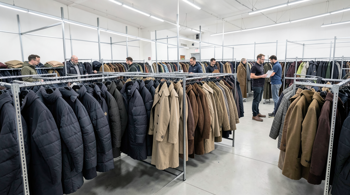
These bulk lots are categorized by condition, typically ranging from shelf-pulls and seasonal overstock to customer returns 12. Pallet configurations are highly diverse; a standard bulk lot might include premium down-filled parkas, heavy workwear jackets, and insulated vests 13. For regional distributors and boutique merchants, purchasing structured inventory at this scale is a foundational method for building seasonal product depth, although it requires navigating the logistical realities of high-volume freight shipping and mixed-condition sorting.
Financial and Operational Metrics of Stock Lots
The financial viability of sourcing from stock lots depends heavily on meticulous margin calculations and landed-cost analysis. Professional buyers must factor in the base cost per unit alongside regional freight charges, import duties, and processing overhead before projecting potential returns 14. For example, while a bulk closeout truckload of mixed winter apparel might boast an average unit cost as low as $3.10, the logistical complexity of transporting up to 22,000 pieces requires substantial warehousing infrastructure and immediate sorting capacity 15.
| Stock Lot Type | Unit Count | Estimated Lot Cost | Estimated Retail Value |
|---|---|---|---|
| Premium Brand Mix Pallet 11 | 300 items | $900 | Over $10,000 |
| Luxury Outerwear Pallet 9 | 100 items | $800 | Significantly Higher |
| Boutique Return Assortment 10 | 25 items | $350 | Variable |
Sizing and Condition Risks in Secondary Markets
Entering the secondary market for designer outerwear involves several clear operational hurdles that merchants must manage to protect their capital. A primary friction point is the stark discrepancy between international sizing standards; for instance, Asian manufacturing sizing often differs significantly from US or European dimensional grids 14. Resellers must actively request flat-lay measurements rather than relying solely on tag sizes to avoid high return rates from end consumers 14.
Furthermore, inventory sourced via wholesale clearance channels often carries a standardized defect tolerance, with a 3% to 5% variance being normal for factory overruns or shelf pulls 14. Some garments may arrive with minor cosmetic blemishes, such as cosmetic smudges, transfer marks from inventory labeling, or slight hardware scratches 10. In extreme cases of surplus liquidation, such as authentic vintage or governmental polar surplus, garments may exhibit heavy staining or paint marks from actual field use, requiring complete transparency from the reseller to the final buyer 16.
Post-Season Retail Dynamics and Market Outlook
The tail end of the winter season forces a decisive transition in the global apparel supply chain. As retailers completely shift floor space toward spring and summer inventory, any remaining winter coats that failed to sell during primary or secondary clearance are often designated as final sale items, eliminating any return or refund paths for purchasers 17. This structural finality shapes the market dynamics, forcing resellers to price items dynamically. Ultimately, the systematic flow of designer winter outerwear from primary luxury boutiques down to bulk liquidation channels highlights the cyclical and highly structured nature of modern fashion inventory management.
Sources
- Nordstrom - https://www.nordstrom.com/c/womens-coats-jackets
- Saks Fifth Avenue - https://www.saksfifthavenue.com/c/womens-coats-jackets
- SSENSE - https://www.ssense.com/en-us/women/clothing/coats
- National Retail Federation - https://nrf.com/research
- TheOutnet - https://www.theoutnet.com/en-us/clothing/coats
- 260 Sample Sale - https://260samplesale.com/
- DPUS Designer Outlet - https://dpusoutlet.com/collections/winter-sale-2025
- Business of Fashion - https://www.businessoffashion.com/articles/luxury/the-real-problem-with-luxury-discounting/
- AMZ Star Pallets Liquidation - https://amzstarpalletsliquidation.com/product/mixed-moncler-winter-jacket/
- Boutique by the Box - https://boutiquebythebox.com/products/fall-winter-essentials-denim-outerwear-sweaters-womens-new-returns-bulk-clothing
- The Liquidation Pallets - https://theliquidationpallets.com/product/winter-clothing-liquidation-pallets-300-premium-winter-apparel-items-for-900/
- Express Pallet Hub - https://expresspallethub.com/product/winter-jacket-pallets/
- American Liquidation Co - https://americanliquidationco.com/product/authentic-jackets-pallet-150-pieces-wholesale-bundle/
- Apparellots Blog - https://www.apparellots.com/blogs/wholesale-clothing-knowledge-hub/how-to-choose-winter-outerwear-stock-lots-for-your-boutique-faux-shearling-korean-velvet-focus
- Discount Wholesalers Inc - https://discountwholesalersinc.com/products/winter-apparel-closeout-22-000-pcs-per-truck
- Antarctic Surplus - https://www.antarcticsurplus.com/product/med-fair-big-red-snow-goose-down-parka-1998-heavily-stained-paint/
- TCO Fly Shop - https://www.tcoflyfishing.com/products/252-stio-womens-pinion-down-parka-sale
Authored by MyTrendSpot team