Market Analysis and Industry Report: High-end winter apparel stock liquidation Trends in 2026
As the fashion retail landscape adjusts to changing macroeconomic conditions and shifting seasonal demand, the availability of high-end winter apparel stock liquidation has emerged as a significant operational event for global distributors, independent resellers, and boutique operators. The systematic offloading of luxury jackets, down coats, and premium cold weather accessories provides insight into the commercial lifecycle of high-value fashion brands. Rather than relying on traditional end-of-season clearance cycles, many market players utilize structured liquidation channels to manage overstock and generate immediate cash flow. This analysis investigates the mechanisms behind these high-volume transfers, outlining the financial and logistical realities of the secondary apparel market.
The Catalysts Behind Premium Outerwear Liquidation
The accumulation of excess high-end cold weather stock is primarily driven by inventory imbalances, unexpected weather patterns, and shifting retail performance. When premium retailers face overstocked warehouses at the close of winter, bulk liquidation channels become the primary tool to reclaim floor space for incoming spring collections. Industry analysts point to inventory corrections where brands utilize commercial liquidation platforms to offload premium outerwear efficiently 1. Sourcing directly from overstock and retail shelf pulls allows distributors to access authentic luxury products without navigating standard retail markups.
Furthermore, major apparel brands often experience downward revisions in retail sales due to warmer seasonal temperatures. This dynamic forces large-scale distribution networks to release complete regional stocks into the secondary market. By utilizing third-party liquidation specialists, manufacturers can quickly liquidate substantial apparel lots, which frequently include designer labels, insulated sportswear, and technical outdoor gear. This structural flow of goods helps stabilize corporate balance sheets while creating a steady pipeline of premium products for alternative resale channels globally.
Major Industry Bankruptcy and Corporate Restructuring Cases
Recent corporate restructurings and judicial actions have dramatically increased the volume of premium winter apparel entering liquidation networks. A prominent example is the Chapter 11 bankruptcy filing of Saks Global Holdings LLC in early 2026, which initiated a liquidation of its off-price subsidiary, Saks OFF 5TH, closing physical stores and online portals 2. This structural shift forced a massive influx of luxury winter goods back into the market as the firm pivoted toward a full-price luxury model. Similarly, UK luxury retailer LK Bennett initiated closing sales following its acquisition by Gordon Brothers, deepening discounts to 60 percent 3 4.
Other major brands have faced identical pressures, resulting in court-ordered inventory liquidations. Under a US Bankruptcy Court order, maternity brand Seraphine USA underwent a structured liquidation of over $4 million in brand-new apparel inventory, including high-value coats and jackets 5. In the United Kingdom, the private treaty stock sale of Fashoff UK Limited, trading as Moschino UK, comprised approximately 3,500 individual items of high-end apparel valued at roughly €925,000 6. These judicial and corporate maneuvers highlight how top-tier designer assets are systematically reallocated through specialized liquidation avenues.
Sourcing Channels and Bulk Inventory Pricing Structures
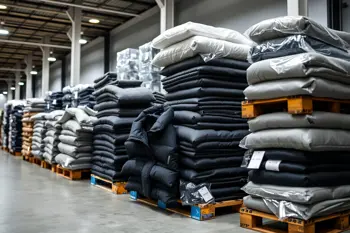
Acquiring high-end winter apparel stock liquidation requires navigating various formats from mixed pallets to truckloads. Wholesale pricing depends on inventory volume, apparel grade, and brands. The table below details common configurations and pricing observed across the liquidation market:
| Inventory Category | Approximate Quantity | Wholesale Cost Metric | Associated Brand Examples |
|---|---|---|---|
| Luxury Jacket Pallets | 100 Pieces | $800.00 7 | Moncler 7 |
| Premium Winter Assortments | 300 Pieces | $900.00 8 | The North Face, Patagonia, Canada Goose 8 |
| Standard Outerwear Pallets | 200 Pieces | $450.00 to $700.00 9 10 | Levi's, Columbia Sportswear 9 |
| Closeout Truckloads | 22,000 Pieces | $3.10 per unit 11 | Calvin Klein, Michael Kors, Columbia 11 |
| Curated Designer Lots | 60 Pieces | $5,000.00 12 | Zara, Nike, Columbia 12 |
These structured pricing systems allow alternative retailers to calculate potential profit margins based on historical retail values. For example, a premium 300-piece winter pallet priced at $900 may carry an estimated original retail valuation exceeding $10,000 8, though realized resale values depend heavily on local consumer demand and product preservation.
Brand Distribution and Quality Grade Classifications
Inventory in the liquidation ecosystem is classified to ensure transparency. High-end pallets are categorized as A-grade apparel, shelf pulls, or returns. A-grade inventory, such as curated 250-piece pallets, consists of brand-new items with retail tags intact 13. This tier features elite brands including Louis Vuitton, Chanel, Gucci, and Moncler 13. Maintaining retail-ready conditions is vital for boutique operators seeking to deliver a luxury consumer experience.
Conversely, lower-tier closeout lots often combine high-volume, recognizable name brands with general sportswear to ensure faster daily turnover. Truckloads consisting of tens of thousands of pieces typically feature a broad mix of brands like Calvin Klein, Michael Kors, Polo, and Columbia 11. These items are primarily sourced as shelf pulls, meaning they were displayed in retail environments but never purchased. While they may lack individual poly-bags, they offer reliable, high-volume utility for off-price sellers who prioritize lower acquisition costs over strict designer exclusivity.
Regional Market Impacts and Weather Volatility Factors
Meteorological factors play a major role in driving seasonal apparel liquidation. During the 2025-2026 ski season in Colorado, retailers faced declining gear and apparel sales due to low snowpack and warm temperatures 14. Ski visits fell 24 percent, leaving mountain retailers heavily overstocked 14. This economic pressure led stores to offer deep discounts of up to 50 percent to clear high-end outerwear for summer stock 14 15.
On a global scale, financial instability among premium manufacturers also triggers unexpected inventory releases. The French down jacket brand JOTT, which recorded a combined revenue of €79 million in 2024, was placed into receivership in early 2026 due to severe operational and debt challenges 16. As the brand's primary financial backers seek a buyer to restructure the firm, downstream distribution networks often liquidate existing stocks to cover outstanding liabilities 16. These climate and corporate events demonstrate that the availability of liquidation merchandise is often closely tied to broader systemic instabilities.
Operational Risks and Regulatory Compliance for Resellers
Resellers navigating the high-end winter apparel stock liquidation space must carefully assess several operational risks to protect their capital. A primary challenge is verifying product authenticity, particularly for elite brands like Moncler or Canada Goose, which command high resale values and are frequent targets for counterfeiting. Sourcing exclusively through established liquidation firms that perform stringent quality checks and guarantee brand authenticity is essential 7 17. Furthermore, buyers must accept that liquidation transactions are typically conducted on an as-is basis, with all sales finalized and no refunds or returns permitted 11.
Logistical and regulatory factors also affect bulk acquisitions. Shipping fees, customs clearance, and taxes can diminish margins on high-volume truckloads 8 11. Resellers must remain compliant with trademark laws, as some luxury brands restrict resale outside authorized networks. Verifying manifests, sizing mix, and landed costs is essential to maintaining viability in the secondary fashion market.
Sources
- collegian.com
- markets.financialcontent.com
- retailgazette.co.uk
- globenewswire.com
- hgpauction.com
- emea-assets.gordonbrothers.com
- amzstarpalletsliquidation.com
- theliquidationpallets.com
- palletsliquidationstore.com
- wholesalepalletliquidation.com
- discountwholesalersinc.com
- vaalenterpriseliquidationpallets.com
- bulksupplieraustralia.com.au
- axios.com
- starthaus.com
- us.fashionnetwork.com
- usaliquidationdepot.com
Authored by MyTrendSpot team