Natural strategies to manage seasonal allergies: Evidence, exposure control, and safety considerations
Seasonal allergies can bring sneezing, congestion, itchy eyes, coughing, fatigue, and disrupted sleep when pollen, mold, or other airborne allergens become difficult to avoid. Natural strategies do not eliminate allergic disease, but they may reduce exposure and ease symptoms when applied consistently alongside appropriate medical care.
Reduce exposure before symptoms intensify
Exposure control is a central part of natural allergy management because pollen, ragweed, mold, and dust mites can remain difficult for the immune system to tolerate. Allergy specialists recommend staying indoors during periods of higher pollen activity when practical and keeping doors and windows closed on high-count days. Cleveland Clinic also identifies routine prevention habits as a way to make seasonal symptoms easier to manage rather than expecting a home remedy to erase them. 1
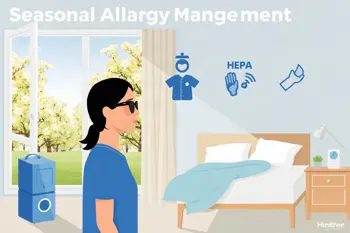
Outdoor habits can limit the amount of pollen reaching the eyes, hair, skin, and clothing. Sunglasses and hats provide a physical barrier around the eyes, while changing clothes and showering after outdoor activities can reduce pollen carried into bedrooms and living areas. The American Academy of Allergy, Asthma and Immunology also describes pollen avoidance as an important part of managing allergic rhinitis, particularly when symptoms recur predictably during a specific season. 9 10
Improve indoor air quality
Indoor air management is especially relevant when symptoms continue after returning home. Portable air purifiers equipped with high-efficiency particulate air, or HEPA, filters are used to reduce airborne allergens such as pollen, pet dander, and dust particles. Mayo Clinic lists HEPA filtration among measures that can help limit indoor exposure, while Cleveland Clinic identifies air purification as a practical home strategy for seasonal allergy relief. 2 1
Humidity control addresses a different source of irritation. The Environmental Protection Agency recommends maintaining indoor relative humidity between 30% and 50% to discourage mold growth, which can aggravate respiratory symptoms and complicate seasonal allergies. Regular bedding maintenance also matters because washing sheets can remove accumulated allergens. These measures require ongoing household maintenance, and their effect depends on consistent use, correct cleaning, and reducing moisture sources rather than relying on a single device. 6 1
Use saline nasal irrigation carefully
Saline nasal irrigation mechanically flushes mucus and inhaled allergens from the nasal passages. The American Academy of Allergy, Asthma and Immunology describes saline rinsing as a medically supported measure that can reduce nasal symptoms, particularly congestion and irritation. A spray may moisten the nose, while a rinse device delivers a larger volume through the nasal passages. It is a symptom-management technique, not a cure for the underlying allergic immune response. 3
Water safety is essential when using a neti pot or another irrigation device. Guidance in the supplied research specifies distilled or sterile water, or tap water that has been boiled and cooled, rather than untreated tap water. Devices also need appropriate cleaning to avoid contamination. People with severe blockage, recurrent nosebleeds, significant facial pain, or symptoms that do not improve should seek clinical assessment instead of repeatedly increasing irrigation frequency. 3 1
Assess supplements with evidence limits in mind
Quercetin is a bioflavonoid found in foods including onions and apples. Laboratory and clinical research has examined whether it can inhibit histamine release by stabilizing mast cells, but the supplied evidence describes it as a studied possibility rather than an established replacement for allergy treatment. Supplement quality, dose, drug interactions, pregnancy, and medical conditions can affect safety. A clinician or pharmacist should review supplement use before it is added to an existing regimen. 4
Butterbur has also been studied for allergic rhinitis, but safety is a major consideration. Products must be certified free of pyrrolizidine alkaloids because these compounds can cause serious liver injury. The National Center for Complementary and Integrative Health notes that butterbur requires attention to product safety and potential liver risks. A product described as natural is not automatically harmless, and uncertified preparations should be avoided. 5
Separate popular remedies from supported measures
Local honey is widely promoted as a way to expose the body gradually to regional pollen, yet scientific studies have not consistently shown that it reduces seasonal allergy symptoms. Honey also does not necessarily contain the specific pollen responsible for an individual’s symptoms. Consequently, it should be regarded as an unproven food-based approach rather than a dependable desensitization method. People with food allergies or other sensitivities should consider personal risks before consuming it for this purpose. 8
Probiotics remain another area of interest. Harvard Health Publishing reports that probiotics may influence gut health and immune responses, with some research examining whether they can reduce allergic rhinitis severity. However, the effect is not uniform across products, bacterial strains, or individuals, and the evidence does not establish a single probiotic approach for seasonal allergies. These uncertainties make careful interpretation important, especially when supplements are considered instead of proven exposure-control measures. 7
Know when natural measures are insufficient
Natural strategies are most useful for reducing allergen contact and supporting symptom control, but they may not adequately manage moderate or severe disease. Persistent congestion, breathing difficulty, chronic cough, severe sleep disruption, or symptoms that interfere with normal activity warrant professional evaluation. Seasonal allergy symptoms can overlap with asthma, infection, or other respiratory conditions, so a reliable diagnosis matters before treatment is changed or discontinued. 1 2
Medical advice is also appropriate when symptoms remain uncontrolled despite environmental changes, or when an herbal product causes a suspected reaction. Conventional medicines can remain necessary even when a person prefers natural methods, and natural measures may be used as complementary steps rather than substitutes. The practical foundation is continued exposure reduction, safe nasal irrigation, indoor humidity control, and informed review of supplements with documented risks and uncertain effectiveness. 3 5 1
Sources
- Cleveland Clinic, “Home Remedies and Prevention Tips for Seasonal Allergies”
- Mayo Clinic, “Seasonal Allergies”
- American Academy of Allergy, Asthma & Immunology, “Nasal Saline Irrigation”
- Mount Sinai Health System, “Quercetin”
- National Center for Complementary and Integrative Health, “Butterbur”
- U.S. Environmental Protection Agency, “Ten Things You Should Know About Mold”
- Harvard Health Publishing, “Is There a Place for Probiotics in Allergy Treatment?”
- University of Michigan Health, “Seasonal Allergies”
- Johns Hopkins Medicine, “Seasonal Allergies”
- Asthma and Allergy Foundation of America, “Pollen Allergy”
Authored by MyTrendSpot team