Natural remedies for joint pain: An evidence-based analysis of lifestyle and nutritional strategies
When individuals experience chronic joint discomfort, the search for relief often extends beyond traditional pharmaceutical interventions toward natural, evidence-based management strategies. Chronic joint pain, frequently associated with osteoarthritis or general inflammation, is a complex condition that rarely responds to a single, universal solution 1. Instead, contemporary medical consensus suggests that a multifaceted approach incorporating lifestyle modifications, physical activity, and targeted nutritional support offers the most robust path toward managing discomfort and maintaining joint function over the long term 7. This article explores the current clinical understanding of these non-pharmacological strategies.
The Role of Lifestyle and Physical Maintenance
Physical activity remains the cornerstone of joint health management. While the instinct during a flare-up may be to remain sedentary, regular movement is essential to nourish cartilage and maintain the structural integrity of the surrounding musculature 1. Guidelines often emphasize the importance of 150 to 300 minutes of moderate-intensity aerobic exercise per week, complemented by twice-weekly strength training 1. Low-impact activities such as swimming, cycling, or brisk walking help strengthen the muscles that stabilize joints, effectively reducing the mechanical stress placed on them during daily movement 2.
Beyond general fitness, weight management serves as a critical variable in reducing joint load. Excess body fat contributes significantly to systemic inflammation and places disproportionate pressure on weight-bearing joints like the knees and hips 2. Research indicates that even modest weight loss can result in substantial reductions in mechanical pressure; for instance, losing a single pound of body weight can equate to four fewer pounds of pressure exerted on the knees with every step taken 2. Furthermore, clinical observations suggest that some individuals report a marked reduction in symptomatic pain after achieving weight loss goals of 10 to 20 pounds 2.
Nutritional Strategies for Inflammation Control
Dietary choices exert a profound influence on the inflammatory pathways associated with joint degeneration. A plant-based, anti-inflammatory eating pattern, such as the Mediterranean diet, has been consistently linked to reduced pain scores in randomized controlled trials 1. These diets focus on minimizing processed foods while increasing the intake of antioxidants and omega-3 fatty acids, which play a direct role in suppressing the enzymes and cytokines that contribute to cartilage degradation 3. Integrating such dietary habits serves as a foundational layer for long-term pain management rather than a short-term fix 1.
Evidence-Based Perspectives on Nutritional Supplements
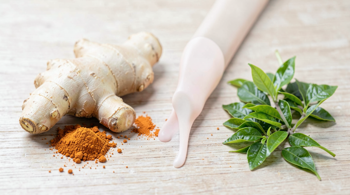
While the supplement market is vast, the clinical evidence supporting specific agents is highly variable. Curcumin, the active constituent in turmeric, has garnered significant attention for its anti-inflammatory properties, with some meta-analyses suggesting that certain high-quality formulations provide pain-relief outcomes comparable to standard non-steroidal anti-inflammatory drugs (NSAIDs) 9. Similarly, omega-3 fatty acid supplementation is widely cited for its potential to support cartilage health and lubricate joints, although the timing and duration of use can influence perceived efficacy 3.
| Supplement | Proposed Mechanism | Clinical Evidence Status |
|---|---|---|
| Curcumin | Inhibits inflammatory enzymes | Efficacy shown in multiple trials |
| Omega-3s | Reduces inflammatory cytokines | Strong support for joint comfort |
| Glucosamine | Structural cartilage support | Mixed results in clinical studies |
| Boswellia | 5-LOX enzyme inhibition | Modest evidence for mobility |
Conversely, agents such as glucosamine and chondroitin sulfate are frequently utilized by those seeking to support cartilage structure, yet the scientific data surrounding their ability to provide acute pain relief remains debated 3. Many clinical studies have observed little difference between these supplements and placebo treatments, leading medical practitioners to approach them as adjuncts for long-term support rather than immediate, reliable analgesics 3. Before starting any regimen, individuals should consult with a clinician, as supplements can pose risks of side effects or interact with existing medication protocols 3.
Topical Remedies and Sensory Desensitization
For localized joint pain, particularly in the hands or knees, topical treatments can provide symptomatic relief without the systemic risks associated with oral medications. Capsaicin, a compound derived from chili peppers, serves as a common topical analgesic 2. It functions by depleting substance P, a neurotransmitter responsible for relaying pain signals to the brain, effectively desensitizing the sensory nerves in the area of application 8. Other topical agents, including menthol and camphor, are often utilized to manage discomfort by providing a cooling or warming sensation that distracts from deeper joint stiffness 2.
Integrative Modalities: Acupuncture and Physical Therapy
Acupuncture is an integrative modality that has gained recognition for its role in chronic pain management. While clinical results can be inconsistent, particularly when comparing outcomes between knee and hip osteoarthritis, a subset of patients reports improved functionality and reduced pain scores following regular sessions 2. Physical therapy also offers a structured path for those new to exercise, providing professional guidance on gait analysis and safe movement techniques tailored to individual joint limitations 2. These professional, non-drug interventions are frequently recommended as part of a comprehensive, physician-guided recovery plan 2.
Regulatory Considerations and Safety
It is important to recognize that the supplement industry is not strictly regulated by the Food and Drug Administration, meaning quality, potency, and purity can vary significantly between products 3. Consequently, patients should be wary of marketing claims promising instant or guaranteed cures for joint conditions. Because the root cause of joint pain can stem from various conditions, including inflammatory arthritis or mechanical overuse, professional medical evaluation is necessary to confirm the source of pain before initiating any intensive natural or pharmaceutical regimen 3.
Sources
- Arthritis Foundation: Natural Relief for Arthritis Pain
- Health.com: 12 Natural Remedies for Arthritis That Relieve Pain
- Henry Ford Health: Can Supplements Help To Ease Joint Pain?
- AARP: 7 Supplements for Joint Pain
- Springer Nature: An Evidence-Based Update on Nutritional Supplements for Osteoarthritis Management
- Frontiers in Pharmacology: Efficacy of botanical extracts for knee osteoarthritis
- Nutrivity: What Helps Joint Pain Naturally? 7 Evidence-Based Approaches
- Dr. Bloem: Natural Anti-Inflammatories for Joint Pain Relief
- Frontiers in Medicine: Efficacy and safety of different curcumin formulations in osteoarthritis
Authored by MyTrendSpot team