Warning signs of preeclampsia: An analytical guide to pregnancy hypertension and early clinical detection
Preeclampsia is a complex pregnancy complication defined by the sudden onset of high blood pressure and signs of damage to vital organ systems, particularly the kidneys and liver 1, 4. Affecting approximately 1 in 25 pregnancies in the United States, this condition typically manifests after the 20th week of gestation, although it can also emerge during labor or within the first six weeks following childbirth 2, 7. Recognizing the subtle warning signs is essential for early clinical intervention, as untreated hypertension can lead to severe complications, including eclampsia, which is characterized by seizures 7, 8.
Physiological Indicators and Early Warning Signs
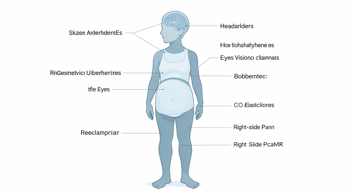
Many individuals diagnosed with preeclampsia do not experience acute feelings of illness during the early stages, making routine prenatal screenings critical for detection 1, 5. However, specific physiological changes often serve as clinical markers for the condition. Persistent, severe headaches that do not resolve with standard analgesics are frequently cited as a primary concern requiring immediate medical assessment 1, 8. Additionally, visual disturbances-such as blurred vision, temporary blindness, sensitivity to light, or the appearance of flashing spots-suggest neurological involvement and demand an urgent evaluation by a healthcare provider 1, 5.
Fluid retention also serves as a significant indicator of the condition. While mild swelling of the feet and ankles is often considered a normal aspect of pregnancy, sudden edema in the hands and face, particularly around the eyes, warrants clinical review 1. This is often accompanied by rapid weight gain, specifically an increase of more than two pounds (0.9 kg) within a single week or over a period of one to two days 1, 5. Other physical warning signs include upper abdominal pain, usually localized beneath the ribs on the right side, which can be mistakenly attributed to gallbladder issues or indigestion 1, 8.
Diagnostic Metrics and Laboratory Markers
Clinical diagnosis of preeclampsia is not based on a single symptom but rather on a combination of elevated blood pressure readings and objective evidence of organ stress 4, 9. Healthcare providers prioritize the monitoring of protein levels in the urine, known as proteinuria, as a standard diagnostic marker for renal distress 5, 6. Furthermore, blood tests may be utilized to assess elevated liver enzymes and low platelet levels, both of which serve as indicators that the body is experiencing systemic strain 6.
| Clinical Sign | Potential Physiological Impact |
|---|---|
| High Blood Pressure | Increased stress on artery walls and heart function |
| Proteinuria | Evidence of reduced kidney filtration efficiency |
| Elevated Liver Enzymes | Indication of hepatic cellular distress |
| Low Platelet Count | Compromised blood clotting capabilities |
Risk Stratification and Predisposing Factors
While preeclampsia can occur in individuals with no prior history of hypertension, certain risk factors are statistically associated with a higher likelihood of the condition 6, 7. These factors assist medical professionals in determining the necessity for more frequent surveillance. The risk profile includes, but is not limited to, the following elements:
- First pregnancy, or pregnancies occurring more than 10 years after a previous one.
- A personal or family history of preeclampsia.
- Multiple gestation, such as carrying twins or higher-order multiples.
- Pre-existing conditions including chronic hypertension, diabetes, kidney disease, or thyroid disorders.
- Autoimmune conditions such as lupus.
- Increased risk related to maternal age (older than 35) or obesity.
- Pregnancies achieved through in vitro fertilization (IVF), particularly following frozen embryo transfers 1, 3.
Emergency Clinical Presentations
Certain symptoms represent acute, severe manifestations of preeclampsia and constitute a medical emergency. Difficulty breathing, often resulting from fluid accumulation in the lungs (pulmonary edema), requires immediate intervention 1, 8. Reduced urine output, or oliguria, indicates that the kidneys are struggling to maintain normal function and serves as a critical red flag 1, 8. Additionally, sudden, unexplained nausea or vomiting during the second or third trimester should never be dismissed as routine pregnancy discomfort, as these symptoms can indicate rapidly worsening organ involvement 1, 8.
Postpartum Considerations
The risk of preeclampsia does not necessarily conclude at the moment of birth. Postpartum preeclampsia is a recognized medical reality that can present symptoms within the first week after delivery, though in some instances, it may emerge weeks later 5, 8. Patients are encouraged to monitor their health closely during the postnatal period. Warning signs during this phase mirror those of prenatal preeclampsia, including severe headaches, blurred vision, and sudden swelling, and require the same level of urgency as symptoms occurring during gestation 2, 9.
Clinical Management and Prevention Strategies
The definitive clinical resolution for preeclampsia is the delivery of the baby and the placenta 9. However, management strategies are employed to control blood pressure and extend the pregnancy when it is considered safe for both the parent and the fetus 9. In patients identified as high-risk, healthcare providers may recommend the use of low-dose aspirin during pregnancy to mitigate the probability of onset 2, 6. Consistent engagement with prenatal care remains the most effective method for detecting early indicators before they escalate into life-threatening emergencies 4, 8.
Sources
- Penn Medicine, Preeclampsia Overview
- March of Dimes, Preeclampsia Clinical Information
- Stony Brook Medicine, Preeclampsia Risk Factors and Management
- University of Rochester Medicine, High Blood Pressure in Pregnancy
- Sutter Health, Understanding Preeclampsia Symptoms
- Scripps Health, Preeclampsia Diagnosis and Treatment
- NewYork-Presbyterian, Eclampsia and Preeclampsia Guide
- UMC Cares, Warning Signs of Preeclampsia
- Acibadem Hospitals Group, Pregnancy Hypertension and Warning Signs
Authored by MyTrendSpot team