Warning signs of gout: Clinical analysis of symptom progression and early detection markers
Gout is a prevalent form of inflammatory arthritis marked by the sudden onset of intense joint pain, often occurring in the big toe 1. Understanding the clinical warning signs is essential, as the condition is driven by the accumulation of monosodium urate crystals within joints and soft tissues due to high levels of uric acid in the blood, a state known as hyperuricemia 7, 17. Because symptoms can escalate quickly and cause significant mobility challenges, early recognition of these patterns is a primary focus for clinical management and patient education 2, 8.
The Nature of Acute Gout Flares
Acute gout attacks are characterized by their abrupt and intense nature, frequently manifesting in the middle of the night 1, 4. The pain often reaches peak intensity within 12 to 24 hours of onset, frequently described as throbbing or crushing 2, 5, 12. While the big toe is the most commonly affected site, flares can also develop in the ankles, knees, wrists, elbows, and fingers 1, 3. In some cases, the inflammation is so extreme that even minimal pressure, such as the weight of a bedsheet, becomes unbearable for the patient 1, 16.
Physical Manifestations of Joint Inflammation
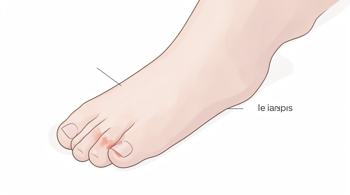
When an attack occurs, the affected joint typically exhibits clear physical markers of inflammation including redness, swelling, and increased warmth 1, 6. The skin over the joint may appear shiny or red, though this discoloration can be more difficult to identify on individuals with darker skin tones 1, 4, 14. As the inflammation begins to resolve, some patients may notice skin peeling or itching around the affected site 13. These symptoms are often accompanied by a significant reduction in the range of motion, making it difficult to use the affected limb effectively 1, 8.
Diagnostic Indicators and Clinical Patterns
Clinical history is a critical component in identifying gout, as patients often describe a pattern of symptoms that appear and disappear in distinct cycles 4, 6. While a single episode may resolve within a few days or weeks, the tendency for these flares to recur is high, with many individuals experiencing subsequent attacks within a year 4, 6. Physicians often review a patient’s diet and medical history, as conditions such as kidney disease, obesity, and diabetes can predispose individuals to the high uric acid levels that trigger these episodes 4, 6.
The Transition to Chronic Gout
If left unmanaged, the condition can progress from isolated acute flares to a chronic state characterized by persistent joint pain and potential deformities 4, 5. A notable marker of long-term, poorly controlled gout is the formation of tophi-large, firm, and often painless lumps composed of urate crystals located under the skin, frequently appearing around the ears, hands, or feet 1, 5, 9. These deposits indicate that uric acid has been circulating at elevated levels in the bloodstream for an extended period 9.
Risk Factors for Uric Acid Buildup
Several factors contribute to the risk of developing high uric acid levels, including metabolic and environmental influences 3. Dietary habits, specifically the consumption of foods high in purines such as red meat, organ meats, certain seafood, and beverages containing high-fructose corn syrup, can increase the body's production of uric acid 3, 5, 9. Additionally, the kidneys may struggle to excrete sufficient amounts of uric acid due to kidney disease, alcohol consumption, or the use of specific medications like diuretics, which further elevates the risk of crystalline deposits in the joints 3, 6.
When to Seek Professional Evaluation
It is recommended that individuals experiencing sudden, intense joint pain consult a healthcare professional for a formal diagnosis 1. Professional intervention is particularly urgent if the patient experiences a high fever or signs of infection, as these can be indicators of septic arthritis, which requires immediate medical treatment 4. Establishing a treatment plan is essential to reduce the frequency of flares and prevent the long-term joint damage associated with recurrent crystalline inflammation 4, 7.
Sources
- Mayo Clinic: Gout Symptoms and Causes
- Cleveland Clinic: Gout Overview
- Harvard Health: Gout A to Z
- NHS Inform: Gout Symptoms and Management
- Arthritis Foundation: Gout Diagnosis and Treatment
- Penn Medicine: Gout Conditions
- NCBI Bookshelf: StatPearls - Gout
- Sharp HealthCare: How Do You Know if You Have Gout?
- Arthritis Society Canada: Gout Information
- National Kidney Foundation: Gout and Kidney Disease
- Mayo Clinic: Gout (Symptom progression data)
- Arthritis Foundation: Pain peak timeframes
- WebMD: Gout skin symptoms
- Verywell Health: Inflammation sensitivity
- Johns Hopkins Medicine: Tophi and chronic gout
- Healthline: Nighttime flare triggers
- National Institute of Arthritis and Musculoskeletal and Skin Diseases: Hyperuricemia markers
- Medical News Today: Joint stiffness and chronic progression
- MedlinePlus: Recurrent inflammation guidelines
Authored by MyTrendSpot team