Analysis of Market Trends: Central air conditioning units on sale
As temperatures rise across major metropolitan areas, homeowners frequently look for central air conditioning units on sale to upgrade their aging home comfort infrastructure. Navigating the modern HVAC marketplace requires an objective understanding of current efficiency guidelines, manufacturing trends, and pricing variations. This analytical reporting clarifies key operational metrics, chemical transitions, and administrative realities that define the contemporary residential cooling landscape.
Overview of Modern Efficiency Standards and Regulations
Modern residential cooling systems are governed by strict efficiency guidelines established by the Department of Energy, with the Seasonal Energy Efficiency Ratio 2 (SEER2) serving as the current measuring standard 1. Older central systems often operate at lower efficiencies, whereas newer systems range from 13 to 25 SEER2, which significantly reduces ongoing utility expenses 1. The market is also undergoing a major chemical transition as manufacturers phase out older refrigerants like R-410A in favor of environmentally friendly alternatives such as R-32 and R-454B 2.
Homeowners evaluating split systems must understand how these refrigeration changes affect overall system design. For instance, manufacturers produce units specifically engineered to handle R-32 and R-454B pressures safely 3. Older residential infrastructures may require a complete coil replacement to accommodate these newer refrigerants, as mixing incompatible chemicals or retrofitting older coils can result in equipment failure. Consequently, selecting a compliant system requires checking localized regional standards, as certain minimum SEER2 ratings are legally enforced depending on the geographical zone.
Analysis of System Capacities and Cooling Metrics
To properly regulate indoor climates, central cooling units must be sized accurately according to their British Thermal Unit (BTU) ratings and tonnage capacity. An undersized system will run continuously, causing premature compressor wear, while an oversized unit will short-cycle, failing to dehumidify the air. Modern brands supply ducted central systems across various capacities to address these architectural differences. For example, smaller residences may utilize a 24,000 BTU system, while larger footprints require a 53,000 BTU configuration to achieve adequate thermal regulation during seasonal heat waves 4.
| System Configuration | Cooling Capacity (BTU) | SEER2 Rating | Historical Starting Price |
|---|---|---|---|
| Della Ducted Central AC | 24,000 | 18 | $3,499.96 |
| Della Ducted Central AC | 34,000 | 19 | $3,799.96 |
| Della Ducted Central AC | 47,000 | 18 | $4,299.96 |
| Della Ducted Central AC | 53,000 | 17 | $4,599.96 |
This structured data outlines the direct mechanical correlation between increased BTU cooling output, SEER2 performance ratings, and the historical base pricing of newly manufactured central air systems 4. Homeowners should select equipment based on precise regional load calculations rather than relying solely on general square footage estimates, as local climate realities can alter performance thresholds.
Market Pricing and System Configurations
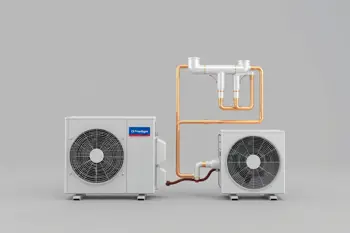
The historical average cost of equipment for a standard central air conditioning system spans from $3,000 to $7,000, excluding localized delivery and professional labor 1. System design plays a major role in these costs, with complete split systems, package units, and heat pumps representing distinct hardware choices. Split systems consist of an outdoor condenser and an indoor air handler connected by copper lines. Alternatively, package units house all necessary mechanical parts within a single cabinet, which is commonly placed on a concrete pad.
Retail prices fluctuate heavily based on the inclusion of secondary heating components. Many homeowners opt for a complete furnace and air conditioner bundle to streamline their home utility needs. For example, a 2.5-ton Goodman system paired with a gas furnace can average around $4,735.00 5, whereas a stand-alone ACiQ 4-ton condenser paired with a vertical cased coil may start around $2,868.00 6. Those living in moderate climates may choose simpler setups, such as split systems containing electric heat strips, which typically cost between $2,070 and $4,415 depending on tonnage 7.
Technological Advancements in Compressor Infrastructure
The primary factor driving differences in modern cooling performance is the advancement in compressor design. Traditional central air conditioners use single-stage compressors, which operate on a binary basis, running at 100% capacity before shutting down completely. This mechanical structure results in temperature fluctuations and higher electrical usage. In contrast, modern high-efficiency systems utilize inverter technology, which allows the compressor to adjust its operational speed in real-time based on actual cooling demands 8.
By converting alternating current to direct current, these learning condensers continuously monitor indoor and outdoor temperatures to scale cooling output down to minimal levels. For example, some ACiQ split systems leverage inverter-driven hyper heat technology to operate efficiently in extreme climates 9. Similarly, Carrier's Infinity series relies on variable-speed compressors to optimize comfort while maximizing energy savings 10. These inverter-driven modules minimize initial power spikes, decrease operational sound levels, and offer superior humidity control compared to legacy systems.
Regulatory Incentives and Rebates
To offset the initial capital expenditure of upgrading to high-efficiency residential systems, several regulatory incentives are available at both federal and local levels. Under the Inflation Reduction Act, eligible Energy Star-certified central air conditioning systems and heat pumps can qualify for federal tax credits of up to $2,000 11. These programs are specifically structured to promote the adoption of high-efficiency heat pumps and inverter systems that exceed standard regional SEER2 requirements.
In addition to federal tax credits, regional utility companies often provide direct cash rebates for installing qualifying heating and cooling equipment 12. These rebates are usually tiered, meaning that systems with higher SEER2 ratings yield larger financial returns. To qualify for these incentives, homeowners must ensure their contractor submits certified AHRI certificates confirming the matched efficiency of the newly installed condenser and evaporator coil.
Installation Realities and Professional Compliance
While equipment-only listings online can present cost advantages, professional installation remains a mandatory requirement for system viability. The average cost to professionally install a central air conditioner ranges from $1,500 to $3,000, depending on ductwork condition, electrical layout, and regional permit costs 1. Furthermore, leading manufacturers require professional installation by a licensed HVAC technician as a prerequisite for maintaining the standard ten-year parts warranty 13. DIY installations are strongly discouraged, as handling refrigerants requires EPA Section 608 certification.
A comprehensive assessment of a home's existing duct assembly is also essential before installing a new condenser. If a duct system suffers from air leaks, poor insulation, or improper sizing, the efficiency gains of a high-efficiency system will be lost 14. Regular professional maintenance, such as annual coil cleanings and refrigerant level checks, is necessary to prevent common mechanical issues. Consumer surveys show that up to 24 percent of central systems face performance degradation or complete failure over a fifteen-year lifespan due to poor installation 15.
Sources
- HomeAdvisor
- Carrier Residential
- Budget Heating
- Della Home
- HVACDirect Goodman
- HVACDirect ACiQ
- Budget Heating Split Systems
- HVACDirect Inverter
- HVACDirect Extreme
- Carrier Residential Air Conditioners
- Energy Star Official
- Carrier Rebate Finder
- Lowe's Buying Guide
- Starbridge RFP Oklahoma
- Consumer Reports Buying Guide
Authored by MyTrendSpot team