Low-cost real estate ideas for retirees in central Florida: An Analytical Guide to Inland Housing Markets and Financial Arbitrage
Retirees seeking to optimize their housing budgets are looking inland to find low-cost real estate ideas for retirees in central Florida as a means to leverage financial arbitrage. Coastal locations like Miami and Naples represent the traditional Florida retirement ideal, but soaring housing valuations and escalating carrying costs have shifted the demographic flow toward the interior of the state 1. By liquidating high-value coastal properties and reinvesting in inland counties, retirees can release stagnant equity and convert it into interest-bearing retirement assets 1.
The math reveals that coastal single-family homes trade at significant premiums over inland equivalents 2. Settling in inland hubs such as Ocala, Lakeland, or Sebring allows buyers to purchase properties with comparable square footage at a fraction of coastal costs 3. This strategic move decreases the initial purchase price, minimizes coastal storm risks, and stabilizes monthly carrying costs over a long retirement period 3.
Manufactured Homes and Land-Lease Community Dynamics
An accessible pathway to homeownership in Central Florida involves manufactured and mobile homes in established 55-plus neighborhoods. While turnkey single-family homes under $50,000 are rare, older manufactured homes built between the 1970s and 1990s are regularly traded within this price range in central counties 4. These budget-friendly options allow retirees relying on fixed incomes such as Social Security to achieve homeownership without exhausting their principal savings 5.
In a typical land-lease structure, the buyer owns the manufactured home but pays a monthly lot rent to the park owner, which often covers community amenities like swimming pools and maintenance 4. To mitigate the risk of rising lot rents, some retirees seek out resident-owned communities, where residents collectively own the underlying land, stabilizing long-term monthly housing expenses 6. This structure prevents arbitrary rent increases from private investment corporations.
Key Affordable Markets: Ocala and Marion County
Marion County, particularly Ocala, ranks as a popular destination for incoming retirees due to its balanced cost of living. The median single-family home price in Ocala sits at approximately $265,000, which is highly competitive and attractive for retirees living on average Social Security benefits 7. Older sections of expansive active-adult master-planned developments, such as On Top of the World, feature resale manufactured homes in the $35,000 to $49,000 range 4.
For retirees looking for newer construction, modern active-adult subdivisions offer single-level homes designed for low maintenance. Communities like JB Ranch in Southwest Ocala feature single-story homes typically priced between $280,000 and $380,000, where a monthly HOA fee of approximately $215 covers essential maintenance tasks 8. Additionally, older standard residential listings in established Ocala neighborhoods can be found priced under $100,000, offering alternatives for buyers willing to manage minor property renovations 9.
Lakefront Retirement Alternatives: Sebring and Winter Haven
For retirees who prioritize outdoor recreation, Highlands County and Polk County provide excellent alternatives. In Sebring, the median home value is approximately $175,000, while the median monthly rent stands at $974, both of which sit well below national averages 10. Similarly, Winter Haven in Polk County offers access to over 50 lakes within its city limits, providing active retirees with a wealth of water-skiing, boating, and park activities on a manageable monthly budget 11.
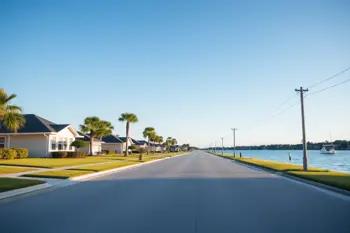
Affordability in these lakefront markets translates to highly manageable monthly expenses. In Sebring, modest rental apartments and mobile homes situated near the historic downtown circle frequently range from $700 to $850 per month, leaving ample financial cushion for fixed-income budgets 12. Retirees looking to purchase a permanent residence in Sebring can find single-family homes with median prices hovering between $150,000 and $180,000, allowing many out-of-state buyers to purchase their homes outright 13.
Active Adult Communities and the Reality of HOA Fees
Active-adult lifestyle developments remain a hallmark of the Central Florida retirement experience, but they require careful budgeting for monthly fees. Master-planned regions like Davenport, located near the Four Corners intersection of Polk, Lake, Osceola, and Orange counties, provide excellent access to metropolitan Orlando 14. Communities such as Windmill Village in Davenport offer manufactured housing options alongside resort-style amenities, but buyers must account for monthly homeownership association fees and lot rents in their total monthly outlays 15.
Similarly, in massive developments like The Villages in Sumter County, living on a modest budget requires a highly disciplined financial approach. Early retirees who choose to relocate at age 62 must often own their homes free and clear to comfortably manage the monthly lifestyle costs, which include community amenity fees, trash pickup, and utilities 16. Newer districts in these master-planned communities also carry community development district bond assessments, which can add up to $3,000 annually to a homeowner's property tax bill, making older, established sections more economically viable 17.
Tax Exemptions, Insurance Costs, and Long-Term Feasibility
Beyond the initial real estate purchase price, Florida's structural financial benefits play a crucial role in long-term retirement planning. The state does not levy a personal state income tax, which means that Social Security benefits, pension withdrawals, and investment distributions remain untaxed at the state level 10. Qualifying primary homeowners can also leverage the state's Homestead Exemption, which can reduce the assessed taxable value of their home by up to $50,000, while the Save Our Homes cap limits annual assessment increases to 3% or the rate of inflation 18.
Additionally, the inland geography of Central Florida provides natural financial protection against escalating homeowners insurance premiums. Coastal properties in Florida are highly vulnerable to hurricanes, leading to mandatory flood insurance and soaring premiums 19. By choosing an inland location such as Marion or Polk County, retirees can save between $2,000 and $6,000 annually on insurance costs alone compared to their coastal counterparts, ensuring that their fixed-income streams remain stable 19.
Sources
- The Villages Florida and Central Florida Home Expert Blog
- AOL Real Estate Reporting
- TheCentWise Financial Investing Guides
- Retirement Ease Guide
- Sun Belt Home Sales
- AARP Home and Family Resources
- Mindfully American Finance
- Momentum Realty JB Ranch Guide
- Tropic Shores Realty Listings
- Investopedia Financial Guides
- Travel and Leisure Florida Travel Guides
- Uncovering Florida Travel
- Fast Food Club Retirement Lifestyle Guides
- EXIT Realty Four Corners Blog
- Sun Communities Windmill Village Portal
- 24/7 Wall St. Personal Finance Analysis
- 24/7 Wall St. The Villages Retirement Studies
- Ask Medicaid Florida Retirement Guides
- Your Home Sold Guaranteed Realty - Scott Coldwell
Authored by MyTrendSpot team